

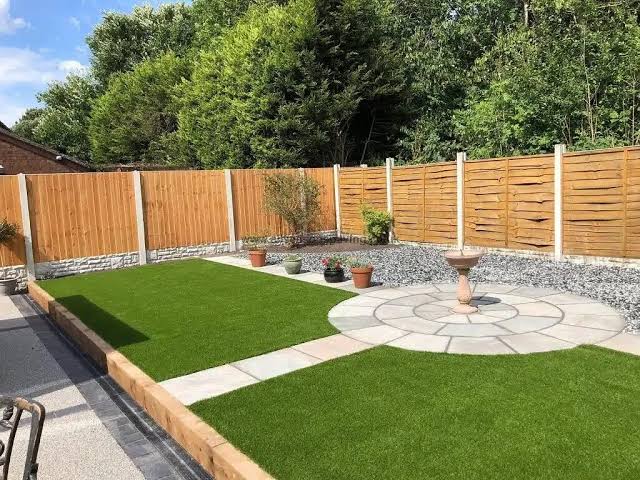
Modern homeowners often want a beautiful outdoor space without spending hours every week on gardening. A low-maintenance garden offers the perfect balance between style, greenery, and convenience. With smart plant choices, durable materials, and simple landscaping techniques, homeowners can create an attractive garden that stays manageable throughout the year.
Low-maintenance gardening focuses on reducing regular watering, pruning, mowing, and seasonal upkeep. Whether you have a small backyard, patio, front yard, or balcony, thoughtful planning can transform the space into a relaxing outdoor area while saving valuable time.
Read More: Modern Garden Design Ideas for a Beautiful Outdoor Space
Choose Easy-Care Plants
Selecting the right plants makes a major difference in garden maintenance. Native plants, drought-tolerant varieties, and hardy perennials usually require less attention once established. These plants can adapt better to local growing conditions and often need less water and fertilizer.
Evergreen shrubs and ornamental grasses can also provide year-round structure without demanding frequent care. Choose plants according to your climate, soil type, and available sunlight for healthier growth.
- Choose native and climate-friendly plants.
- Use hardy perennials for reliable seasonal color.
- Select drought-tolerant plants for areas with limited rainfall.
Create a Simple Garden Layout
A simple garden design can reduce maintenance while keeping the outdoor space attractive. Instead of filling every corner with different plants, create defined planting areas with a few complementary varieties. Grouping plants with similar water and sunlight needs makes daily care easier.
Clear pathways, organized borders, and open spaces also make gardening tasks faster. A well-planned layout gives plants enough room to grow while reducing overcrowding and unnecessary pruning.
Use Mulch to Reduce Garden Work
Mulching is one of the easiest ways to make a garden more manageable. Organic mulch helps retain soil moisture, reduce weed growth, and protect plant roots from temperature changes. Decorative gravel and stone mulch can also create a clean appearance with minimal upkeep.
Apply a suitable layer around plants while keeping mulch away from plant stems and tree trunks. Refresh organic mulch when necessary to maintain its effectiveness and appearance.
Install Efficient Irrigation
Watering can become one of the biggest time-consuming garden tasks. Drip irrigation and soaker hoses deliver water directly toward plant roots, helping reduce waste and unnecessary manual watering.
A timer-controlled irrigation system can make the process even easier. Watering during cooler parts of the day can also reduce evaporation and help plants use available moisture efficiently.
Replace High-Maintenance Lawn Areas
Large lawns often require regular mowing, watering, feeding, and weed control. Busy homeowners can reduce these tasks by replacing sections of grass with ground covers, gravel, paving, or planting beds.
A smaller lawn can still provide an attractive green area while requiring less maintenance. Combining grass with decorative stone, shrubs, and pathways creates visual interest without creating additional gardening work.
Add Hardscaping for Lasting Appeal
Hardscaping can reduce the amount of living plant material that needs regular care. Stone pathways, patios, retaining walls, decorative gravel, and stepping stones can add structure and personality to an outdoor space.
Quality hardscape materials can remain attractive for years with basic cleaning. Use these elements strategically to create functional spaces while limiting areas that require frequent gardening attention.
Choose Ground Covers Instead of Bare Soil
Bare soil can quickly become a problem because weeds can spread easily. Low-growing ground covers offer an attractive alternative while helping protect the soil surface.
Depending on the climate, suitable ground covers can create a green carpet with less mowing than traditional grass. Select varieties that match the sunlight and moisture conditions of your garden.
Add Container Plants
Container gardening gives homeowners greater control over plant placement and maintenance. Pots can be positioned around patios, entrances, balconies, and other outdoor areas to add color without creating extensive planting beds.
Choose larger containers that hold moisture longer and select plants suited to the available light. Self-watering containers can further reduce watering requirements for busy households.
- Use durable containers that tolerate outdoor conditions.
- Choose plants with similar watering requirements.
- Group containers together for easier watering and maintenance.
Create a Low-Maintenance Outdoor Focal Point
Every garden benefits from a visual focal point. A decorative tree, large planter, stone feature, fountain, sculpture, or seating area can draw attention without requiring extensive plant care.
A strong focal point can also reduce the need to fill the garden with numerous plant varieties. Keep surrounding landscaping simple to create a balanced and uncluttered appearance.
Keep Garden Furniture Practical
Outdoor furniture can improve the functionality of a low-maintenance garden. Choose weather-resistant materials that can handle outdoor exposure with minimal upkeep.
Simple seating areas can turn a small garden into a comfortable place for relaxing or entertaining. Position furniture on patios, decks, or paved surfaces to avoid creating additional maintenance around seating areas.
Plan for Seasonal Maintenance
Even low-maintenance gardens require occasional attention. Planning seasonal tasks can prevent small problems from becoming larger ones. Remove damaged growth, check irrigation equipment, clean pathways, and refresh mulch when needed.
Instead of spending an entire weekend on garden care, divide maintenance into small tasks throughout the year. This approach keeps the garden attractive without creating a demanding routine.
- Inspect plants and irrigation systems regularly.
- Remove weeds before they spread.
- Prune only when necessary for plant health and shape.
Frequently Asked Questions
What is a low-maintenance garden?
A low-maintenance garden uses hardy plants, simple landscaping, efficient watering, and durable materials to reduce regular gardening work.
Which plants are best for a low-maintenance garden?
Native plants, drought-tolerant varieties, hardy perennials, ornamental grasses, and evergreen shrubs are practical choices for easier garden care.
How can mulch reduce garden maintenance?
Mulch helps retain soil moisture, suppress weeds, protect plant roots, and reduce the need for frequent watering and garden maintenance.
Is artificial grass suitable for busy homeowners?
Artificial grass can reduce mowing and watering requirements, making it an option for homeowners seeking a consistently neat lawn with minimal routine care.
How often should a low-maintenance garden be watered?
Watering frequency depends on climate, soil, plant types, and rainfall. Drought-tolerant plants generally need less frequent watering once established.
What are the easiest landscaping materials to maintain?
Gravel, stone, pavers, concrete, and quality outdoor materials generally require less routine maintenance than large areas of lawn or delicate planting beds.
Can a small garden be low-maintenance?
Yes. Small gardens can use containers, hardy plants, mulch, gravel, and simple layouts to create attractive outdoor spaces that require relatively little upkeep.
Conclusion
Low-maintenance garden ideas can help busy homeowners enjoy a beautiful outdoor space without constant gardening work. Hardy plants, efficient watering, mulch, smart landscaping, and durable hardscaping can significantly reduce routine maintenance.
The key is choosing practical features from the beginning. A carefully designed garden can remain attractive, functional, and easier to manage throughout the seasons while giving homeowners more time to enjoy their outdoor space.
