

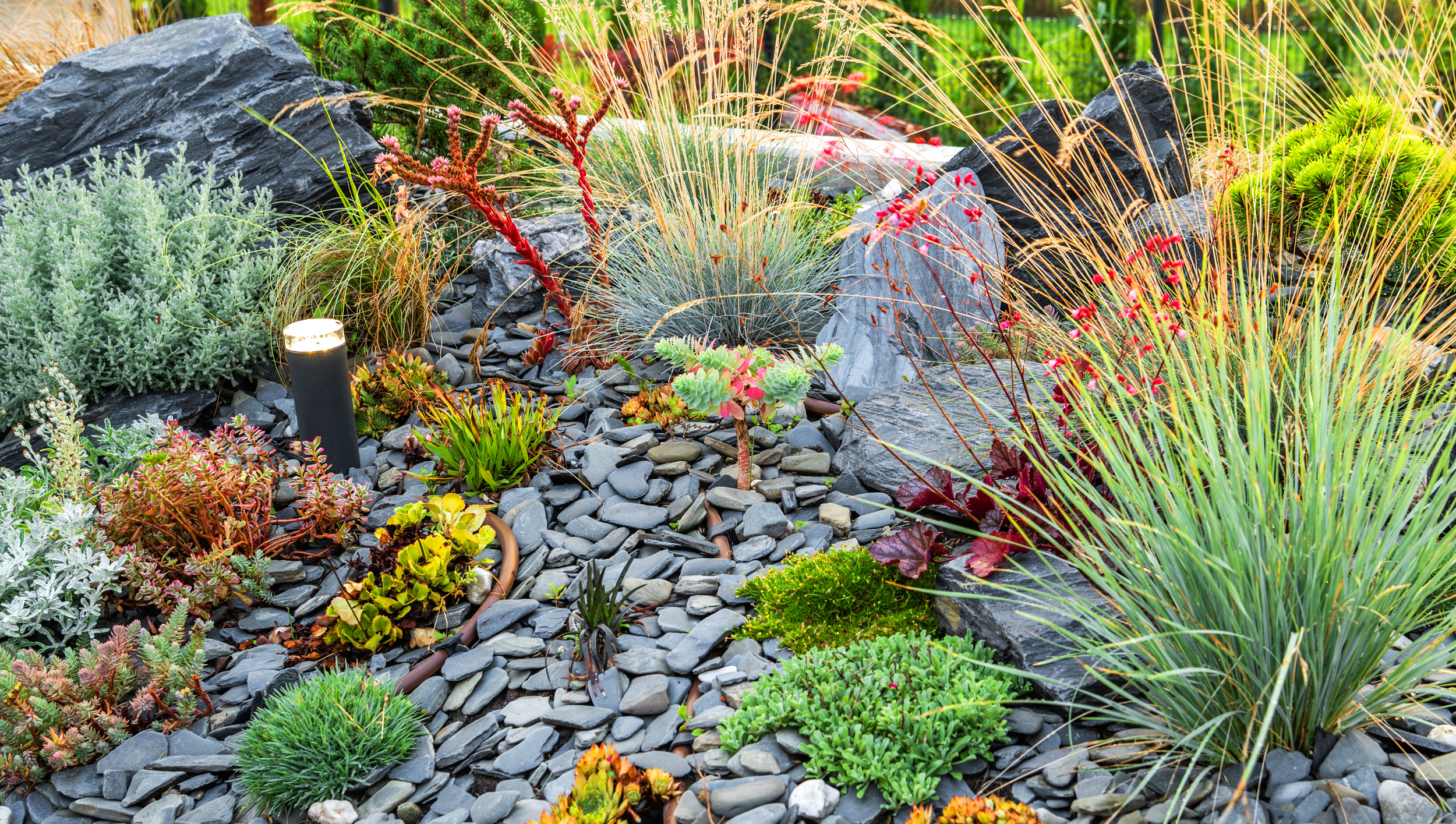
Decorative stone can completely change the appearance of a garden bed, giving it a clean, structured, and long-lasting finish. Yet many homeowners avoid using stone because they have heard that it overheats plants, causes drainage problems, encourages weeds, or requires complicated installation. In reality, most problems associated with stone landscaping come from choosing the wrong material or installing it incorrectly.
Different stones behave differently depending on their size, colour, shape, location, and surrounding plants. A landscaping method that works perfectly in a shaded front yard may perform poorly beside a sunny brick wall. Understanding a few common misconceptions can help homeowners create attractive garden beds that remain practical for years. Here are five decorative stone myths that often lead to disappointing results.
Read More: Decoradhouse Garden Tips by Decoratoradvice for Beautiful Gardens
Myth One: Decorative Stone Always Cooks Your Plants
One of the most common concerns about decorative landscaping stone is that it absorbs sunlight and overheats the soil underneath. There is some truth to this concern because dark stones can become hot during summer, particularly in south-facing garden beds or areas surrounded by concrete, brick, and other heat-absorbing surfaces.
However, this does not mean every type of decorative stone will harm plants. Stone colour plays an important role. Pale gray, beige, cream, and off-white stones generally reflect more sunlight than polished black or dark charcoal materials. Rounded stones can also leave small air spaces between pieces, allowing heat to escape more easily after sunset.
Plant selection matters just as much as stone choice. Heat-tolerant plants such as lavender, sedum, yarrow, Russian sage, ornamental grasses, and many Mediterranean-style plants can perform well in sunny stone-covered beds. Shade-loving plants, including hostas and astilbes, are better suited to cooler garden locations.
When selecting decorative landscaping stones, consider sunlight exposure, stone colour, plant requirements, and surrounding surfaces rather than assuming every stone will create excessive heat.
Myth Two: Landscape Fabric Is Always Necessary Under Stone
Landscape fabric is often presented as an essential component of every stone garden bed. It can certainly be useful, but it does not belong in every landscaping project.
Fabric works especially well underneath pathways, dry creek beds, gravel seating areas, and decorative spaces without permanent plants. In these locations, it helps separate the stone from the soil and can reduce how quickly gravel or pebbles sink into the ground.
Problems can appear when fabric is installed underneath heavily planted garden beds. Dust, decomposed leaves, pollen, and other organic material gradually settle between the stones. Over time, this material can create a thin layer of soil above the fabric. Weed seeds can then germinate on top, sending roots through the fabric.
Removing those weeds may tear or expose the material underneath. Gardeners can also find it difficult to divide plants, relocate shrubs, or add new flowers without cutting through the fabric.
For planted beds, careful soil preparation, sufficient stone depth, proper edging, and regular light maintenance may provide a more flexible long-term solution.
Myth Three: Decorative Stone Requires Zero Maintenance
Decorative stone is often promoted as a maintenance-free replacement for organic mulch. A better description would be low maintenance rather than zero maintenance.
Stone does not break down every year the way bark, wood chips, or shredded mulch does. This means homeowners normally do not need to add several new bags every spring simply to restore the original depth. That alone can significantly reduce long-term maintenance.
However, leaves, twigs, dirt, pollen, grass clippings, and weed seeds can still collect between stones. Garden beds positioned underneath mature trees may require more frequent cleaning during autumn.
A leaf blower used on a low setting can remove most lightweight debris without moving heavier stones. Occasional hand weeding may also be required, especially around bed edges. Dusty stones can usually be refreshed with water when necessary.
The finish of the stone affects how noticeable dirt becomes. Highly polished pebbles often show dust more quickly than natural or matte surfaces.
Myth Four: Bigger Rocks Stop More Weeds
Large rocks may look as though they provide stronger weed protection because they are heavier and cover more surface area individually. In practice, oversized stones can leave wide spaces between each piece.
Those openings allow sunlight to reach the soil, creating opportunities for weed seeds to germinate. Organic debris can also settle in the gaps, eventually producing small pockets where weeds can grow.
Smaller landscaping stones usually provide more consistent coverage. Pebbles measuring approximately one to two inches can create a tighter surface when installed at an appropriate depth. A layer around two to three inches deep is often enough to reduce exposed soil while maintaining an attractive appearance.
Large cobbles still have an important role in landscape design. They work well around water features, drainage channels, borders, boulders, or focal areas where visual texture is important.
Instead of expecting large stones to perform every function, use them as structural or decorative elements while allowing smaller materials to provide more complete ground coverage.
Myth Five: All Decorative Stones Drain Water the Same Way
Stone may appear naturally free-draining, but water movement depends heavily on stone shape, size, installation depth, and the material underneath.
Rounded river pebbles of similar size usually leave open spaces between individual stones. These gaps allow water to travel through relatively easily. Angular crushed stone behaves differently because sharp edges can lock together more tightly.
Fine gravel containing stone dust may become increasingly compacted as people walk over it or as rainfall moves smaller particles downward. Over time, the surface may drain much more slowly than expected.
Drainage becomes particularly important around house foundations. Decorative stone cannot solve poor grading. If the soil slopes toward the building, water can still collect near foundation walls regardless of how attractive the stone surface looks.
Before installing stone, make sure the underlying ground directs water away from buildings. Downspouts should also discharge water safely away from foundation beds whenever possible.
What Actually Makes a Decorative Stone Garden Bed Successful?
Successful stone landscaping depends more on planning than on the stone itself. Homeowners should first evaluate sunlight, drainage, existing plants, future planting plans, surrounding architecture, and expected maintenance.
Observe the garden bed at different times of day. A location receiving intense afternoon sunlight may benefit from lighter stones, while a shaded area can accommodate darker materials without the same heat concerns.
Drainage should also be checked before installation. Watch where water travels after heavy rain. Correct low spots, grading problems, and downspout issues before covering the area with decorative material.
Stone size should match the function of the area. Small and medium pebbles work well for consistent coverage, while larger stones are useful for borders and accents. Installing enough material is equally important because a thin layer may quickly expose the soil underneath.
Proper edging can prevent stone from spreading into lawns, sidewalks, and surrounding beds. Steel, aluminum, stone, concrete, or other edging materials can create a cleaner transition.
A small amount of preparation before purchasing material can prevent years of frustration later.
Frequently Asked Questions
Is decorative stone better than mulch?
Neither option is automatically better. Decorative stone lasts longer and requires less replacement, while organic mulch improves soil as it decomposes. The best choice depends on the plants, climate, appearance, and maintenance expectations of the garden.
How deep should decorative stone be in a garden bed?
Around two to three inches is suitable for many decorative stone applications. Smaller stones may require slightly less depth, while larger materials often need additional coverage to hide exposed soil.
Can weeds grow through decorative stone?
Yes. Stone can reduce weed growth, but airborne seeds may germinate in dust, leaves, and organic debris that collects between rocks. Occasional maintenance is still necessary.
Should I put plastic under decorative stone?
Plastic sheeting is generally not ideal for planted garden beds because it can interfere with water and air movement. Permeable landscape fabric may be useful in certain non-planted areas.
Does decorative rock attract snakes or insects?
Stone itself does not automatically attract snakes or insects. However, large rocks, dense vegetation, moisture, and protected spaces can create hiding areas for various animals and insects.
What colour decorative stone is best for sunny areas?
Light gray, beige, cream, white, and similar lighter colours are generally better suited to intense sunlight because they absorb less heat than very dark materials.
How long does decorative landscaping stone last?
Quality landscaping stone can remain in place for many years because it does not decompose like organic mulch. Cleaning, edging, occasional repositioning, and minor top-ups may still be necessary.
Conclusion
Decorative stone is not responsible for most of the problems homeowners experience in garden beds. Poor stone selection, insufficient depth, unsuitable plants, drainage issues, and unnecessary landscape fabric are usually much bigger factors. Understanding how colour, size, shape, exposure, and installation affect performance makes it much easier to avoid these common mistakes.
A well-designed stone bed can provide attractive appearance, dependable ground coverage, reduced yearly maintenance, and long-term durability. Check the sunlight, prepare the soil, correct drainage problems, choose stones that suit the location, and install them at the proper depth. With thoughtful planning, decorative stone can become one of the most practical and visually appealing features in a landscape.

1 Comment
Pingback: Black and White Home Decor Ideas for a Timeless Interior