

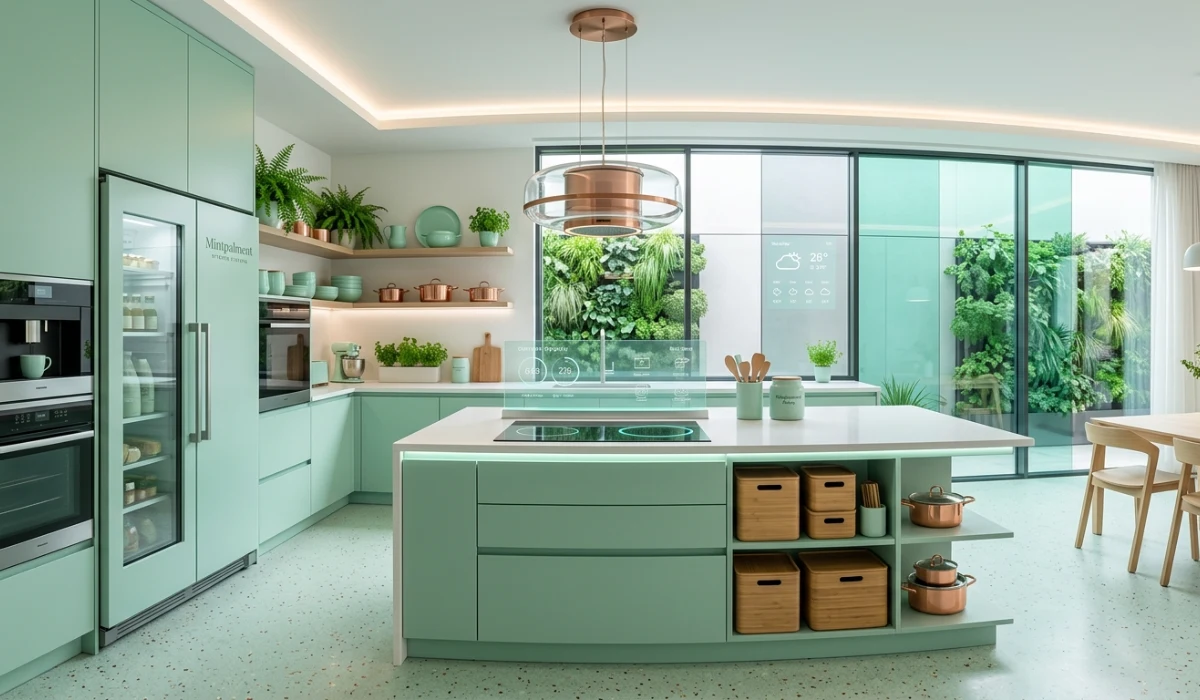
Upgrading a kitchen does not always mean tearing everything out and starting again. With thoughtful planning, even relatively small improvements can make a kitchen more comfortable, practical, attractive, and efficient. Better lighting, smarter storage, improved ventilation, updated hardware, and more organized work areas can dramatically change how the space feels and functions.
The Kitchen Upgrading Tips MintPalMent approach focuses on solving everyday problems before spending money on purely decorative improvements. By looking carefully at how the kitchen is used, homeowners can prioritize upgrades that improve workflow, safety, storage, energy efficiency, and long-term convenience without automatically committing to a complete renovation.
Read More: Decoradhouse Garden Tips by Decoratoradvice for Beautiful Gardens
Start With a Practical Kitchen Assessment Before Upgrading
Before purchasing appliances, cabinets, countertops, or decorative finishes, take time to evaluate the kitchen as it currently functions. Think about your normal routine and identify areas where cooking, cleaning, storage, or movement regularly becomes inconvenient.
It is also helpful to separate cosmetic issues from functional problems. Old paint or outdated handles can often be refreshed easily, while poor ventilation, damaged plumbing, unsafe electrical systems, or inefficient layouts may require more serious attention.
Identify the Most Important Kitchen Problems
Start by listing the issues that affect daily use most frequently. Problems that create inconvenience every day should usually receive greater attention than purely visual changes.
Consider areas such as:
- Storage capacity
- Countertop workspace
- Lighting
- Ventilation
- Appliance efficiency
- Plumbing
- Electrical outlets
- Flooring
- Cabinet hardware
- Cleaning and maintenance
A clear priority list helps prevent overspending on attractive upgrades that do little to improve everyday kitchen performance.
Improve Kitchen Workflow Before Changing Its Appearance
One of the most practical Kitchen Upgrading Tips MintPalMent is to improve how the kitchen works before focusing heavily on style. A beautiful kitchen can still be frustrating if appliances, preparation areas, and storage are badly positioned.
The refrigerator, sink, food preparation area, and cooking zone should be arranged so that regular tasks can be completed with minimal unnecessary movement. The ideal arrangement varies depending on the room, but frequently used areas should remain easy to reach.
Create Better Preparation Space Around the Cooking Zone
Counter space near the stove or cooking surface is especially valuable because it provides room for ingredients, utensils, and cookware.
Avoid filling every available section of the countertop with appliances. Items used occasionally can be stored in cabinets or dedicated appliance areas so that the main preparation space remains open.
Upgrade Kitchen Cabinets Without Automatically Replacing Them
Kitchen cabinets strongly influence both appearance and storage, but complete replacement is not always necessary. Cabinets that are structurally sound can often be refreshed through refinishing, repainting, new hardware, adjusted hinges, or improved internal organization.
Before deciding to replace them, inspect cabinet boxes, doors, hinges, and internal surfaces. Severe water damage, warping, unstable materials, or a layout that no longer works may justify replacement, but cosmetic aging alone may not.
Replace Cabinet Hardware for an Immediate Improvement
Changing handles and knobs is one of the simplest ways to refresh older cabinets. New hardware can improve both appearance and usability without requiring major construction.
Choose handles that feel comfortable in your hand and are easy to clean. Testing one sample before purchasing an entire set can help you avoid choosing hardware that looks attractive but feels awkward during everyday use.
Improve the Inside of Cabinets
The interior of cabinets is just as important as the doors. Pull-out shelves, drawer dividers, vertical organizers, and adjustable shelving can improve access and make better use of available space.
Keep frequently used cookware, dishes, and ingredients in easy-to-reach locations. Higher or less convenient areas can be reserved for items that are only used occasionally.
Choose Countertops Based on How You Actually Cook
Countertops must handle frequent exposure to moisture, spills, heat, food preparation, cleaning products, and everyday wear. Appearance matters, but practical performance should remain a major consideration.
Different materials offer different advantages. Natural stone, engineered surfaces, laminate, wood, and solid-surface options vary in durability, maintenance, stain resistance, heat tolerance, repairability, and price.
Protect Frequently Used Counter Areas
Areas beside the sink and cooking zone usually experience the most wear. Choose materials and finishes that can tolerate repeated cleaning and regular moisture exposure.
Do not assume that every countertop can safely handle hot cookware. Follow manufacturer recommendations and use suitable heat-resistant pads or trivets when needed.
Upgrade Kitchen Lighting in Layers
Poor lighting can make food preparation harder and reduce the comfort of the entire room. A single overhead fixture often creates shadows exactly where people need visibility most.
A more effective lighting plan combines general lighting, task lighting, and decorative or accent lighting. Each layer serves a different purpose and contributes to a more practical kitchen.
Install Task Lighting Where Work Happens
Under-cabinet lighting can provide direct illumination over countertops and preparation areas. It can be especially helpful where cabinets block ceiling light.
Select lighting that feels comfortable for food preparation and everyday activities. Dimmable controls can also make it easier to adjust brightness depending on the time of day or the activity taking place.
Improve Kitchen Ventilation
Cooking produces heat, steam, grease, odors, and moisture. Without adequate ventilation, these can build up inside the kitchen and affect comfort and cleanliness.
A properly selected range hood or exhaust system can help remove airborne contaminants from the cooking area. Where practical, systems that vent outdoors can provide effective air removal when installed correctly.
Maintain Filters and Ventilation Equipment
Ventilation systems lose efficiency when filters become heavily coated with grease. Clean or replace filters according to the manufacturer’s recommendations.
Noise is another factor worth considering. A very loud hood may discourage regular use, so practical performance should include both airflow and acceptable sound levels.
Make Kitchen Storage More Efficient
A kitchen can feel larger simply by making its existing storage easier to use. The goal is not always to add more cabinets but to improve access to the space already available.
Drawer organizers, pull-out systems, adjustable shelving, and vertical dividers can help reduce clutter and improve organization.
Organize According to Frequency of Use
Everyday items should remain within comfortable reach. Products used weekly can be placed slightly farther away, while seasonal or rarely used equipment can occupy less accessible storage.
This approach keeps countertops cleaner and makes regular cooking easier because frequently needed tools are available without unnecessary searching.
Upgrade Appliances Based on Practical Needs
New appliances can improve performance and efficiency, but replacing working equipment simply because a newer model looks better may not provide good value.
Compare appliance size, capacity, energy consumption, features, expected use, repairability, and installation requirements before making a purchase.
Plan Appliance Locations Before Installation
Measure every appliance carefully. Consider width, depth, height, door clearance, ventilation requirements, power connections, and nearby workspace.
An appliance may technically fit inside an opening but still create problems if the door cannot open properly or if it blocks an important work area.
Review Electrical Safety Before Adding Appliances
Modern kitchens often use several high-powered appliances. Adding new equipment or outlets without considering the existing electrical system can create safety issues.
Electrical modifications should follow relevant local requirements and should be completed by qualified professionals where necessary.
Reduce Countertop Cable Clutter
Visible appliance cables can make a kitchen look disorganized and may also interfere with preparation areas.
Use appropriate cable-management solutions and keep cords away from water, hot surfaces, and cutting areas. Avoid unsafe extension arrangements, especially with high-powered appliances.
Improve Plumbing and Water Efficiency
A kitchen upgrade is a useful opportunity to inspect plumbing before small problems become expensive repairs.
Look underneath the sink for leaks, corrosion, damaged seals, and signs of moisture. Even a slow leak can gradually damage cabinets, flooring, and nearby materials.
Consider Water-Saving Fixtures
Efficient faucets and spray systems can reduce unnecessary water use while still providing good everyday performance.
Choose fixtures based on sink size, water pressure, durability, cleaning requirements, and compatibility with the existing plumbing system.
Select a Practical and Attractive Backsplash
A backsplash protects walls from grease, water, and food splashes while also contributing to the kitchen’s overall design.
When comparing materials, consider how easy they are to clean, how well they resist stains, and whether grout or textured surfaces will require additional maintenance.
Use the Backsplash to Add Character
If the cabinets and countertops already include strong patterns or colors, a simple backsplash may create better balance.
On the other hand, a more neutral kitchen can use a distinctive backsplash as a decorative focal point. Always look at samples under the actual kitchen lighting before making a final decision.
Choose Kitchen Flooring for Durability
Kitchen flooring must withstand spills, heavy foot traffic, dropped objects, food debris, and regular cleaning.
Select flooring according to water resistance, slip resistance, durability, comfort, maintenance requirements, and compatibility with the existing floor structure.
Consider Comfort as Well as Strength
People often spend long periods standing in kitchens, especially during cooking and food preparation.
Comfortable flooring or a suitable anti-fatigue mat can reduce discomfort. However, avoid loose rugs or mats that may create a trip hazard.
Refresh the Kitchen Color Scheme Strategically
Paint can deliver a noticeable visual improvement without requiring major structural changes.
When choosing colors, consider natural light, cabinets, countertops, flooring, and the overall size of the kitchen. Lighter shades can help reflect light, while darker tones can create contrast and visual depth.
Coordinate Cabinets, Walls, Counters, and Hardware
A cohesive kitchen usually works best when major finishes complement rather than compete with one another.
Choose cabinet colors, wall finishes, countertops, and hardware that create visual continuity. Small details such as matching hardware and lighting finishes can help connect the design.
Add Smart Kitchen Features Only When Useful
Smart technology can add convenience, but not every kitchen requires complicated connected devices.
Consider smart lighting, timers, appliance monitoring, or other features only when they solve a real problem or simplify everyday tasks.
Avoid technology that is difficult to maintain or likely to become outdated quickly. Reliable and practical upgrades often provide greater long-term value.
Make the Kitchen Easier to Clean
A well-designed kitchen should reduce future maintenance rather than create more cleaning work.
Choose surfaces that are easy to wipe down and avoid excessive decorative details that collect dust or grease.
Create a Simple Maintenance Routine
Divide maintenance into daily, weekly, and occasional tasks. Regular attention can prevent minor issues from becoming major problems.
Inspect cabinet hinges, seals, plumbing connections, filters, grout, appliance surfaces, and ventilation systems periodically.
Prioritize Kitchen Upgrades According to Your Budget
You do not need to complete every improvement at the same time. A phased renovation can often produce better results because it allows the budget to be directed toward the most important areas first.
Safety, structural repairs, plumbing, electrical work, and ventilation should generally receive attention before purely cosmetic upgrades.
A Simple Kitchen Upgrade Priority System
| Priority | Upgrade Type | Main Benefit |
|---|---|---|
| 1 | Electrical, plumbing, or structural repairs | Improves safety and prevents damage |
| 2 | Ventilation and lighting | Improves comfort and usability |
| 3 | Storage and workflow | Makes daily tasks easier |
| 4 | Appliances | Can improve efficiency and performance |
| 5 | Countertops and backsplash | Adds durability and style |
| 6 | Cabinets and hardware | Improves storage and appearance |
| 7 | Decorative details | Completes the overall design |
This order may vary from one household to another, but it provides a useful way to organize spending.
DIY Kitchen Upgrades vs Professional Work
Some kitchen upgrades can be suitable DIY projects for homeowners with the right skills. Painting cabinets, changing handles, installing organizers, and completing simple decorative improvements may be manageable.
More complicated work involving electricity, gas, structural changes, major plumbing, or ventilation should be handled carefully. Qualified professionals are often appropriate when technical knowledge, permits, or safety compliance are required.
Measure Twice Before Ordering
Measurement mistakes can quickly turn a simple upgrade into an expensive problem.
Carefully measure cabinet openings, appliance spaces, countertops, door swings, and available clearance. Record measurements clearly and verify them before ordering custom or fitted products.
Common Kitchen Upgrading Mistakes to Avoid
Kitchen renovations can become expensive when decisions are made without considering how different parts of the room work together.
Common mistakes include:
- Buying appliances without checking measurements
- Filling countertops with too many appliances
- Ignoring ventilation
- Choosing materials that are difficult to clean
- Overcrowding cabinet storage
- Selecting finishes without testing them under real lighting
- Spending heavily on appearance while ignoring necessary repairs
The goal of any successful upgrade should be to make the kitchen safer, easier, and more comfortable to use rather than simply making it look newer.
A Practical Final Checklist for a Successful Kitchen Upgrade
Before considering your kitchen upgrade complete, review the room from the perspective of everyday use.
Make sure you can prepare meals comfortably, reach important items, clean surfaces easily, use appliances safely, and move through the kitchen without unnecessary obstacles.
The best Kitchen Upgrading Tips MintPalMent focus on improvements that continue providing value after the renovation is finished.
Frequently Asked Questions
What is the best way to upgrade a kitchen on a budget?
Focus first on practical improvements such as cabinet hardware, better storage, improved lighting, paint, faucet upgrades, and countertop organization.
Should I replace or refinish my kitchen cabinets?
Refinishing can work well when cabinets are structurally sound. Replacement may be more suitable for damaged, warped, poorly constructed, or badly designed cabinets.
Which kitchen upgrade should come first?
Safety, plumbing, electrical, structural, and ventilation issues should generally be addressed before cosmetic improvements.
How can I make a small kitchen feel larger?
Reduce countertop clutter, improve vertical storage, use effective lighting, keep pathways clear, and choose a coordinated color palette.
Are energy-efficient kitchen appliances worth considering?
They can be worthwhile when the purchase price, energy use, expected lifespan, capacity, and household requirements provide reasonable long-term value.
What should I consider when choosing countertops?
Compare durability, stain resistance, heat tolerance, maintenance requirements, repairability, appearance, and overall cost.
Do I need a professional for kitchen upgrades?
Not for every task. However, electrical, gas, structural, ventilation, and major plumbing projects may require qualified professional assistance.
How can I make my kitchen easier to maintain?
Choose easy-to-clean materials, avoid unnecessary clutter, keep frequently used surfaces accessible, and follow a simple regular maintenance routine.
Conclusion
A successful kitchen upgrade is about more than creating a modern appearance. The most valuable improvements make cooking, cleaning, storage, and everyday movement easier while improving safety, comfort, and long-term performance.
By following practical Kitchen Upgrading Tips MintPalMent, homeowners can focus their budget on meaningful changes such as improved workflow, better storage, efficient lighting, ventilation, durable surfaces, and reliable appliances.
You also do not need to renovate the entire kitchen at once. Addressing important problems first and completing improvements gradually can produce excellent results while keeping costs more manageable.
Ultimately, the best kitchen is one that combines attractive design with practical functionality. Thoughtful planning, sensible material choices, and realistic maintenance can create a kitchen that remains comfortable, efficient, and enjoyable for years.

1 Comment
Pingback: Renovation Tips Decoradhouse for a Smarter Home