

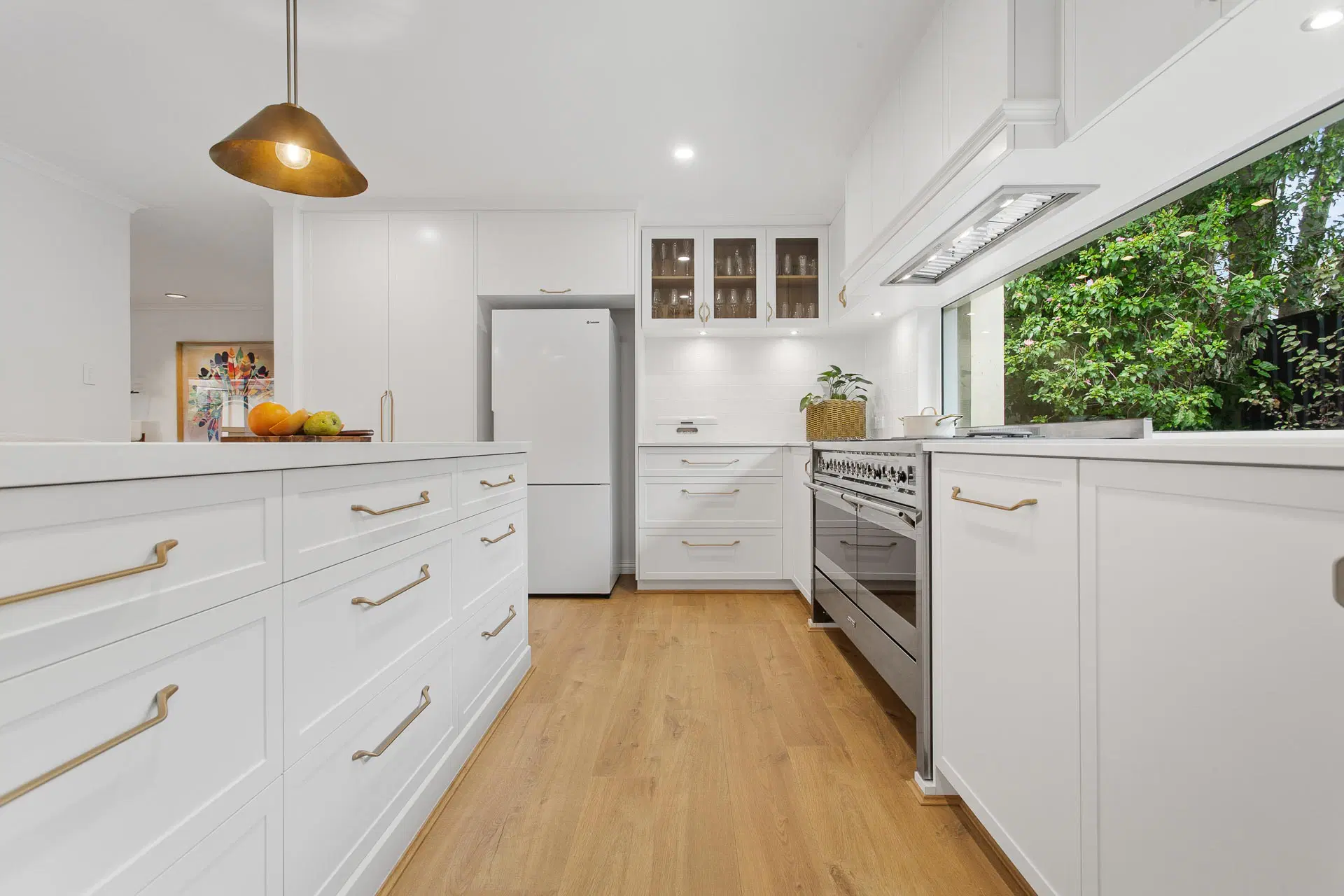
A modern kitchen should do more than look beautiful. Smart kitchen design can improve organization, save time, simplify cleaning, and make everyday cooking more comfortable. Today’s kitchen trends focus on practical layouts, efficient storage, durable materials, and thoughtful features that support busy lifestyles.
From spacious countertops to hidden storage and smart appliances, homeowners now have many ways to create a kitchen that feels both stylish and functional. The right design choices can make daily routines smoother while giving the space a fresh, welcoming appearance.
Read More: Kitchen Decor Ideas for a Stylish and Functional Space
Open Kitchen Layouts for Better Movement
Open kitchen layouts continue to attract homeowners because they create a stronger connection between cooking, dining, and living areas. Removing unnecessary barriers allows natural light to move through the space and makes the kitchen feel larger.
A well-planned open layout also improves movement during meal preparation. Family members can interact easily while cooking, eating, or relaxing, making the kitchen a more social part of the home.
Smart Storage Solutions for a Clutter-Free Kitchen
Modern kitchens are moving beyond traditional cabinets. Pull-out drawers, deep drawers, corner storage, pantry organizers, and vertical shelving help maximize available space without making the room feel crowded.
Hidden storage also keeps countertops clear. Dedicated spaces for appliances, cookware, spices, and cleaning supplies make everyday items easier to find and reduce unnecessary clutter.
Key storage ideas include:
- Pull-out pantry shelves for quick access
- Deep drawers for pots, pans, and cookware
- Vertical cabinets for trays and cutting boards
Large Kitchen Islands for Everyday Convenience
Kitchen islands have become multifunctional features rather than simple preparation surfaces. A large island can provide extra counter space, storage, seating, and even an area for food preparation.
An island can also improve kitchen workflow when positioned correctly. Keeping frequently used appliances, utensils, and ingredients nearby reduces unnecessary movement during cooking.
Durable Countertops for Busy Homes
Kitchen countertops face daily exposure to heat, spills, stains, and frequent use. Durable materials can make maintenance easier while keeping the kitchen attractive for years.
Quartz, granite, and other low-maintenance surfaces remain popular because they combine practical performance with modern visual appeal. Choosing a surface suited to household needs can reduce cleaning effort and long-term maintenance.
Easy-Care Kitchen Materials
Easy-to-clean materials are becoming an important part of practical kitchen design. Smooth cabinet finishes, simple backsplashes, and stain-resistant surfaces can reduce the time required for regular cleaning.
Design simplicity also helps prevent dirt from collecting in difficult areas. Fewer complicated details can create a cleaner appearance while making routine maintenance much easier.
Smart Appliances That Simplify Daily Tasks
Technology continues to change modern kitchen design. Smart refrigerators, ovens, dishwashers, and other connected appliances can make everyday routines more convenient.
Features such as programmable cooking settings, energy monitoring, remote controls, and automated cleaning cycles can save time. Choosing useful technology rather than unnecessary features helps create a more efficient kitchen.
Better Lighting for Cooking and Daily Activities
Good lighting can dramatically improve kitchen functionality. Layered lighting combines ambient, task, and accent lighting to create a comfortable environment for cooking, cleaning, dining, and socializing.
Under-cabinet lighting is particularly useful because it brightens preparation areas without creating strong shadows. Pendant lights over an island can add visual appeal while providing focused illumination.
Functional Kitchen Work Zones
Dividing a kitchen into practical work zones can make cooking more efficient. Separate areas for preparation, cooking, cleaning, storage, and serving help organize everyday activities.
Frequently used items should remain close to their related work areas. For example, cookware can stay near the cooking zone, while dishes and glasses can be stored close to the dining or serving area.
Useful kitchen zones can include:
- Food preparation zone near cutting surfaces
- Cooking zone around the stove and oven
- Cleaning zone around the sink and dishwasher
Hidden Appliances for a Cleaner Look
Built-in and concealed appliances are becoming increasingly popular in contemporary kitchens. Integrating refrigerators, dishwashers, microwaves, and other appliances into cabinetry creates a more streamlined appearance.
This approach can make smaller kitchens feel less visually crowded. Hidden appliances also support a clean design by reducing the number of exposed surfaces and equipment.
Sustainable Kitchen Design Choices
Sustainability is becoming another important consideration in modern kitchen planning. Energy-efficient appliances, LED lighting, durable materials, and responsible product choices can reduce household resource consumption.
Long-lasting materials can also support sustainable design because they may require fewer replacements over time. Choosing quality products with practical functions can benefit both the kitchen and the household budget.
Comfortable Seating for Modern Kitchens
Kitchen seating has evolved as kitchens have become multifunctional spaces. Comfortable stools around an island or peninsula can create a convenient place for breakfast, casual meals, homework, or conversation.
The right seating height and sufficient legroom are important for comfort. A well-designed seating area should support everyday use without blocking important kitchen pathways.
Minimalist Designs That Reduce Daily Stress
Minimalist kitchen design focuses on simplicity, organization, and useful features. Clean cabinet lines, limited visual clutter, and coordinated materials can create a calm and comfortable environment.
Minimalism does not mean removing everything from the kitchen. Instead, it encourages homeowners to prioritize practical features and keep frequently used items accessible while storing less-used belongings neatly.
Frequently Asked Question
What kitchen design trend makes everyday cooking easier?
Functional work zones, smart storage, and spacious countertops can make cooking faster and more organized.
Are kitchen islands useful for everyday living?
Yes. Kitchen islands provide extra preparation space, storage, seating, and a convenient area for daily activities.
What storage solutions work best in modern kitchens?
Pull-out pantry shelves, deep drawers, corner organizers, and vertical cabinets help maximize kitchen storage.
Which kitchen materials are easiest to maintain?
Quartz countertops, smooth cabinet finishes, and simple backsplashes are popular choices for easy cleaning and maintenance.
How can kitchen lighting improve functionality?
Layered lighting provides better visibility for cooking, cleaning, and food preparation while creating a comfortable atmosphere.
Are smart kitchen appliances worth considering?
Smart appliances can add convenience through programmable settings, energy monitoring, automation, and remote controls.
What makes a kitchen design practical for a busy household?
Efficient layouts, accessible storage, durable materials, organized work zones, and easy-to-clean surfaces can simplify daily routines.
Conclusion
The latest kitchen design trends focus on making everyday living easier without sacrificing style. Smart storage, functional islands, durable materials, better lighting, efficient appliances, and practical work zones can transform the way a kitchen feels and functions.
A successful kitchen design should match the household’s daily routines. By combining attractive finishes with thoughtful organization and convenient features, homeowners can create a space that remains comfortable, efficient, and enjoyable for years.
