
A small bedroom can still feel stylish, comfortable, and functional with the right design choices. Whether you live in a tiny apartment, have a compact guest room, or simply want to make better use of limited space, smart decorating ideas can make a big difference. From clever storage solutions and multifunctional furniture to light colors, mirrors, and thoughtful layouts, there are plenty of ways to maximize every inch without making the room feel crowded.
In this collection of 97 small bedroom ideas, you’ll find practical and beautiful inspiration for creating a cozy space that works for you. These ideas combine style and functionality, helping you organize clutter, improve flow, and make your bedroom feel more open, inviting, and comfortable.
Read More: 25 Living Room Ideas for a Cozy, Stylish, and Beautiful Home
How to Decorate a Small Bedroom
Decorating a small bedroom is an opportunity to make a bold statement with color, pattern, and thoughtful design. Rather than avoiding dramatic choices, consider introducing a striking wallpaper or rich paint color to give the room character. Using the same pattern across elements such as the walls, curtains, and bedding can create a cohesive look and visually blur the boundaries of the space, making the room feel more expansive.If your goal is to make a compact bedroom feel brighter and more open, incorporate mirrors strategically.
Placing a mirror opposite or near a window helps reflect natural light throughout the room while adding depth and creating interesting views from different angles.Lighting also plays an important role in maximizing limited space. Wall-mounted fixtures beside the bed or integrated into the headboard provide practical illumination without taking up valuable bedside-table space, keeping the room both functional and uncluttered.
The Bed
As the largest and most important piece of furniture in a bedroom, the bed should contribute to the room’s storage and functionality whenever possible. If you’re purchasing a divan bed along with a new mattress, consider choosing a design with built-in storage. The space underneath is ideal for keeping extra bedding, linens, seasonal clothing, and other items neatly organized.
For those with a larger budget, bespoke joinery can provide an even more streamlined solution. A built-in bed can be designed to fit perfectly into the available space and works especially well in bedrooms with sloped or pitched ceilings. Adding decorative details to the surrounding joinery can help the bed feel like an intentional part of the room’s overall design.
Alternatively, you can embrace the bed as the main feature by allowing it to occupy more of the room. In some small bedrooms, using fewer but larger pieces can create a more confident and cohesive look. For a dramatic statement, consider a four-poster bed. In children’s bedrooms, bunk beds are another practical option that makes excellent use of vertical space.
Storage
In a compact bedroom, large wardrobes and bulky chests of drawers can quickly overwhelm the available floor space. If you need clothing storage, consider an open hanging rail as a lighter alternative to a traditional wardrobe. For a guest bedroom, a few well-placed hooks may provide enough space for visitors to hang their clothes.
Built-in wardrobes are another excellent option when the budget allows. They can be customized to fit the room precisely, creating a cleaner and more streamlined appearance. Installing wardrobes on either side of the bed can also create useful recessed niches that function as bedside tables, eliminating the need for additional freestanding furniture.
Make use of every architectural feature, including alcoves and recessed areas. Built-in shelves, hanging rails, and compact storage units can transform otherwise unused spaces into practical storage. Shelving above the bed can also provide valuable room for books, artwork, plants, and decorative accessories, adding personality without taking up floor space.
Finally, don’t overlook vertical space. If your bedroom has high ceilings, build upward rather than outward. Tall shelving, wall-mounted storage, and vertically arranged artwork can make the most of the room’s height while keeping the floor area open and uncluttered.
Small Bedroom Ideas to Maximize Every Inch of Space
Create a Cozy Box Bed
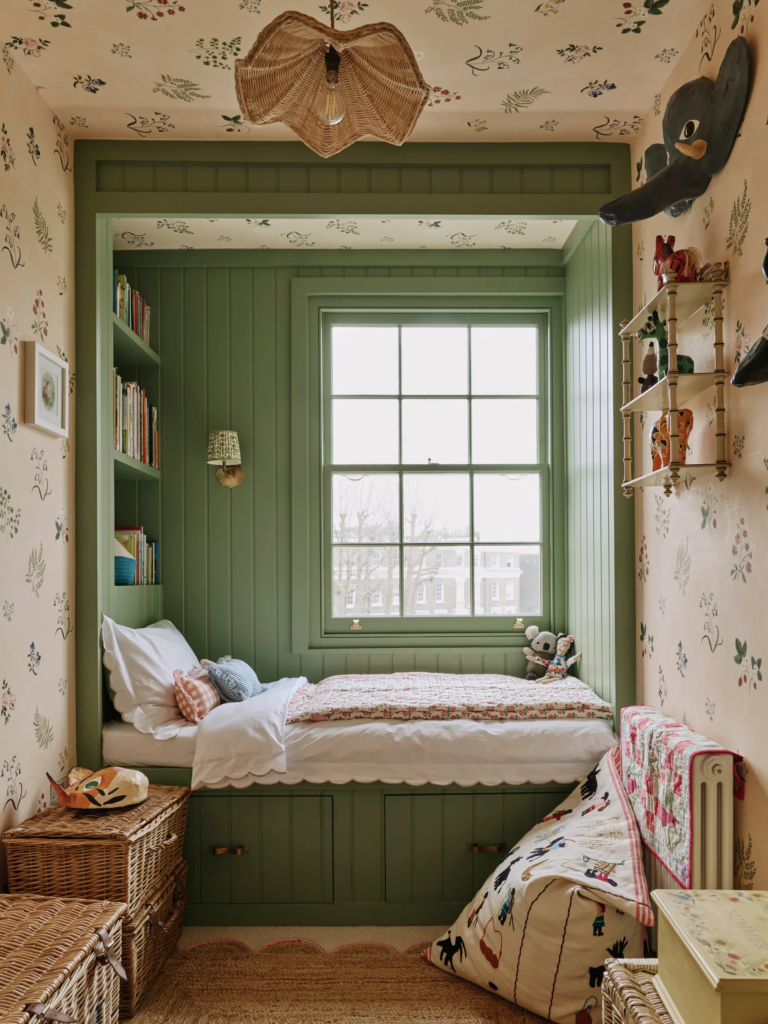
Box beds are an excellent solution for small bedrooms because they combine a comfortable sleeping area with an efficient use of space. A built-in nook can make the bed feel cozy while creating opportunities for additional shelving and storage.
Wrap the Room in Pattern
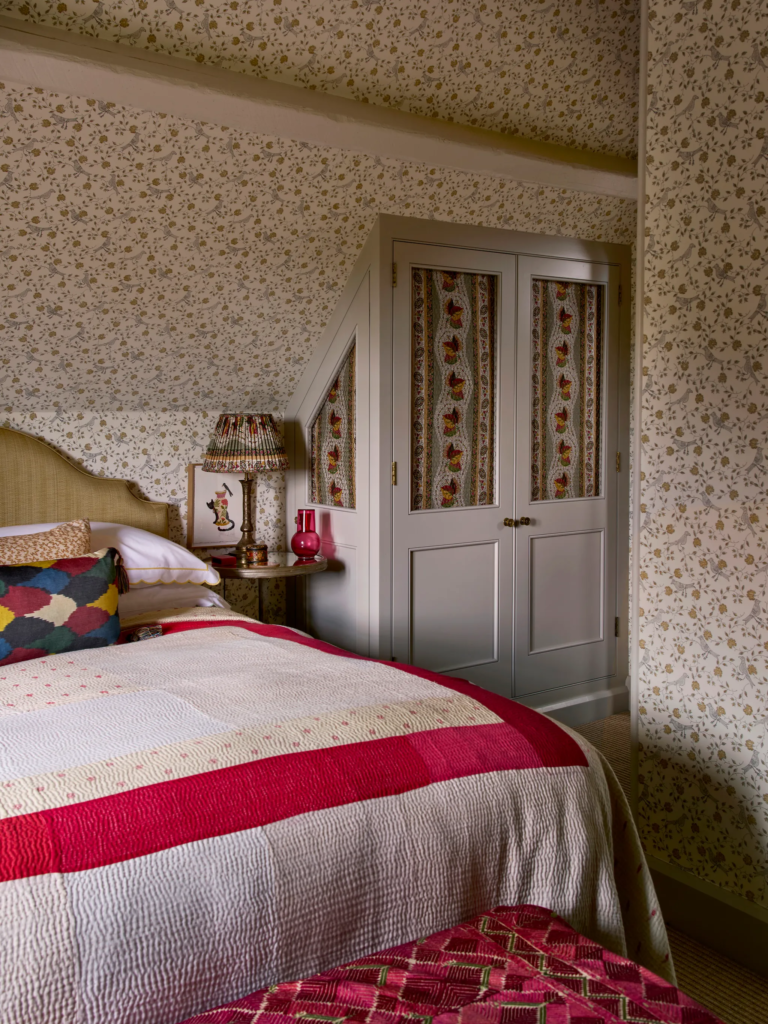
A small bedroom can handle bold patterns surprisingly well. Using wallpaper across the walls and ceiling can create a cozy, enveloping atmosphere while giving the room a strong sense of character.
Reconfigure the Room
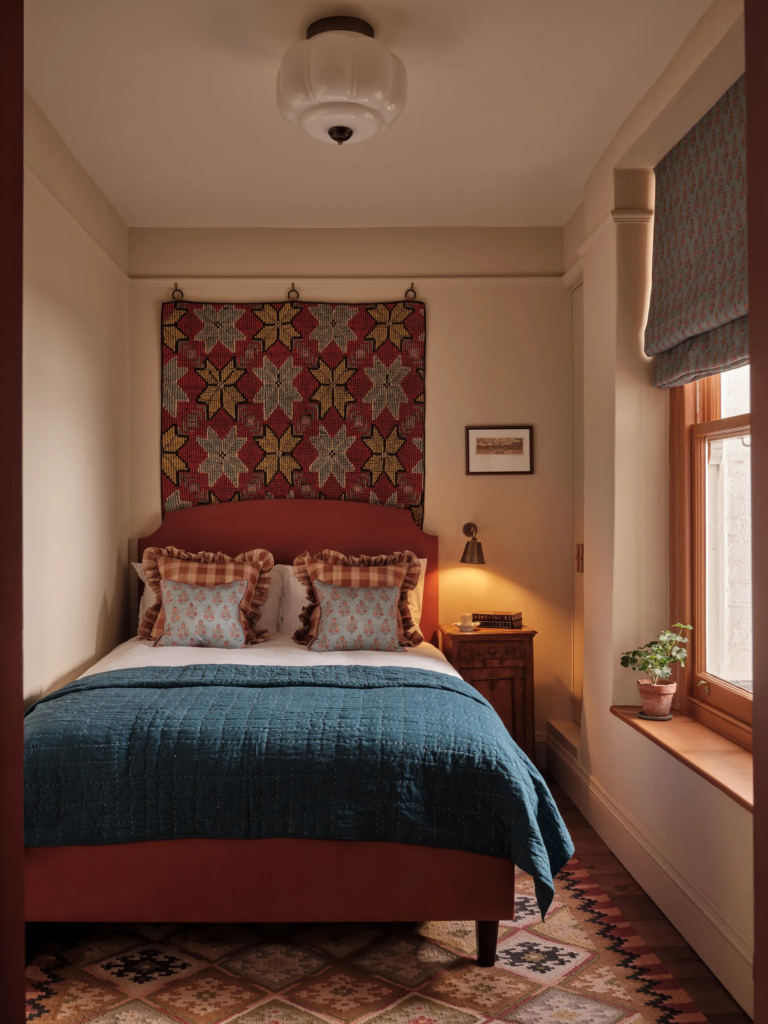
If the current layout isn’t working, consider changing the room configuration. An underused area, such as a former kitchen or awkward corner, can sometimes be transformed into a compact but functional bedroom.
Use Mirrors to Expand the Space
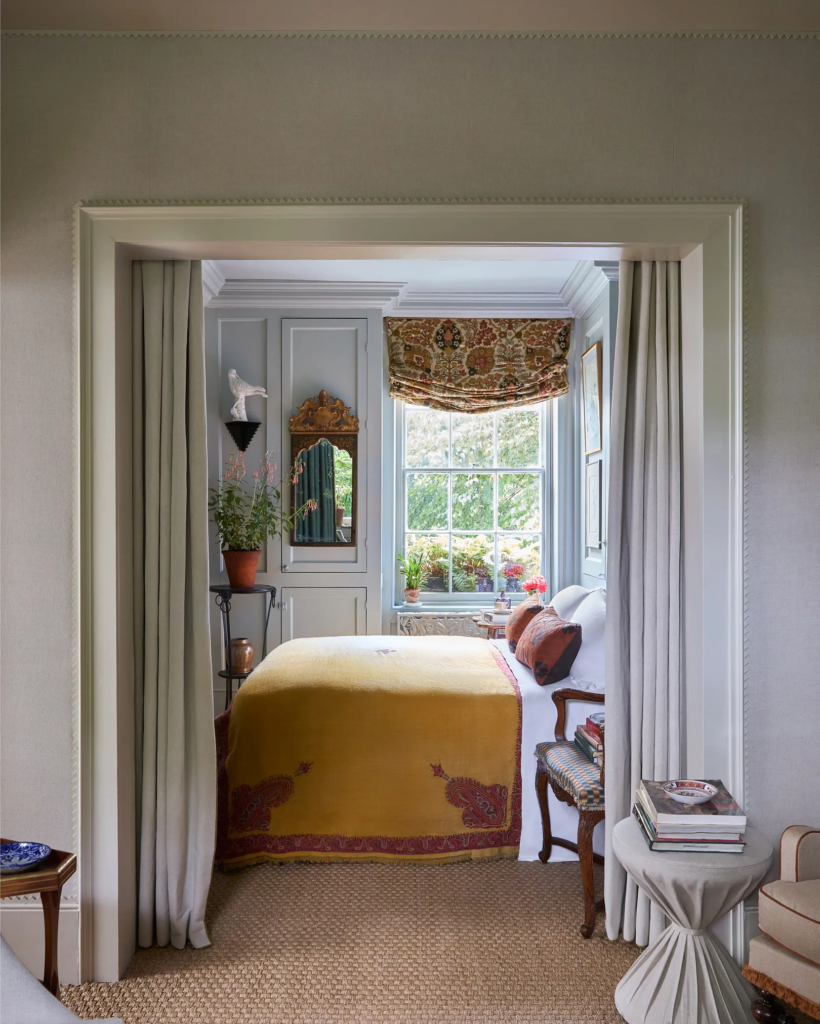
Mirrors are a simple way to make a small bedroom feel larger. Positioning them on wardrobes or near windows can reflect light and create the impression of additional depth.
Make the Most of Ceiling Height

If a bedroom has a low or damaged ceiling, consider whether additional height can be revealed. Exposed beams or increased ceiling height can make a compact room feel more spacious and add architectural character.
Add a Canopy Bed
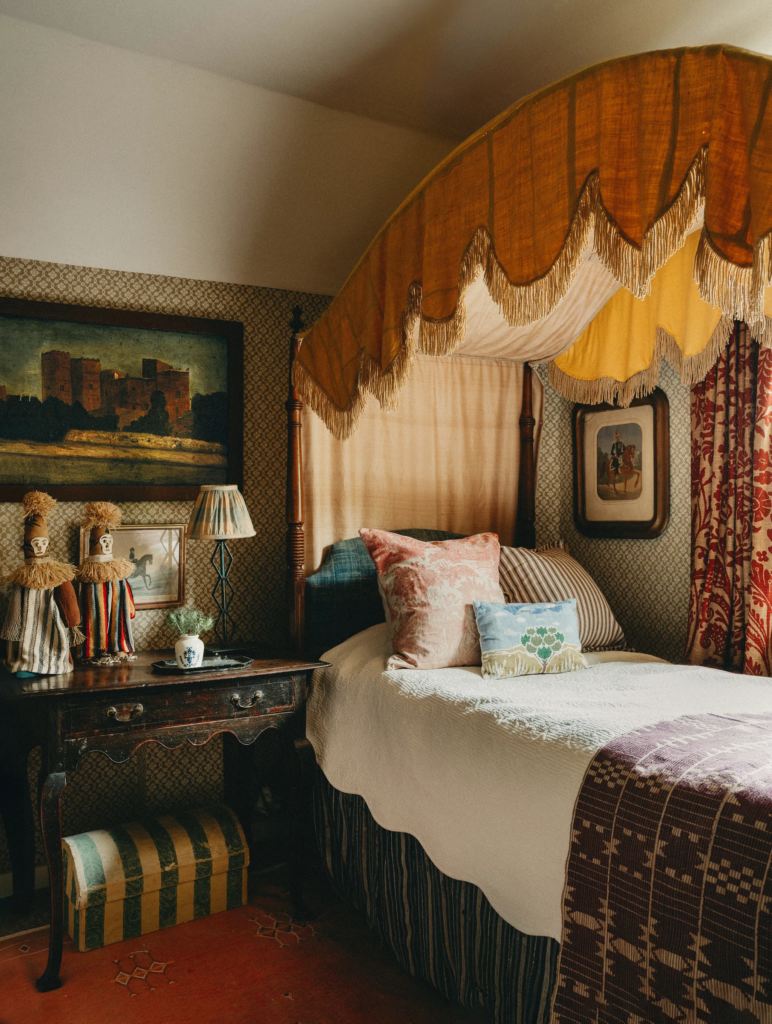
A canopy or tester bed can give a small bedroom a dramatic and atmospheric feel. Choose lightweight fabrics and keep the surrounding furniture simple to avoid making the room feel crowded.
Go Bold With Color and Pattern
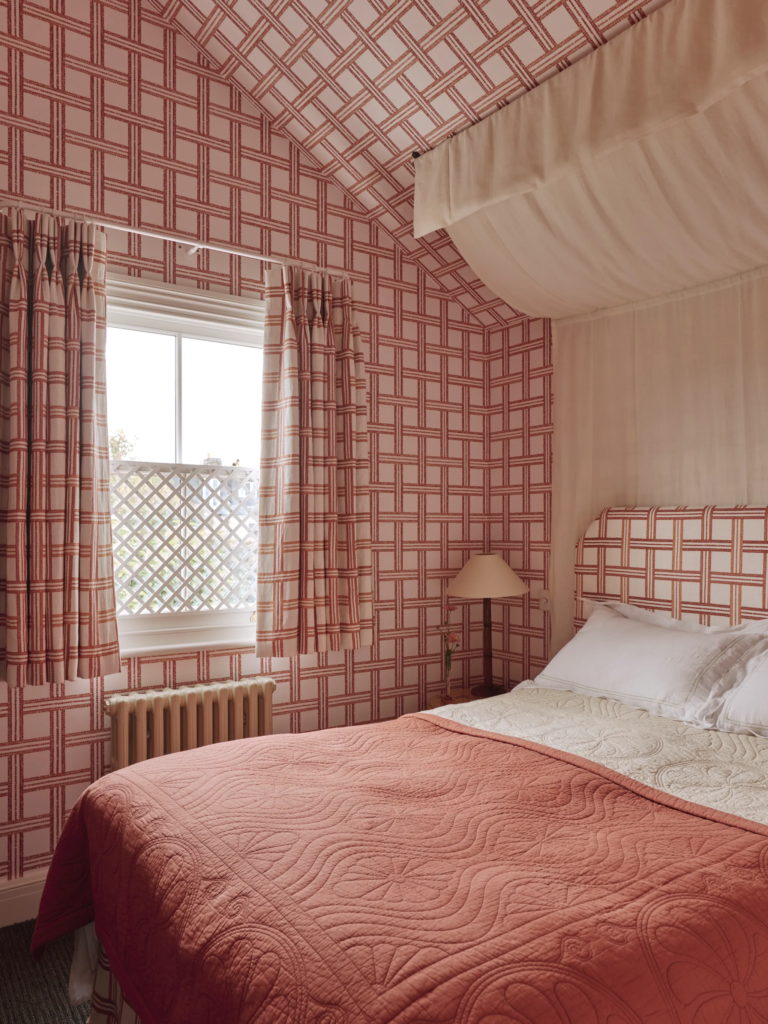
Small bedrooms don’t need to rely on neutral colors. Bold wallpaper, coordinated fabrics, and rich colors can create a memorable interior while making the room feel intentional rather than restricted.
Create a Magical Children’s Bedroom
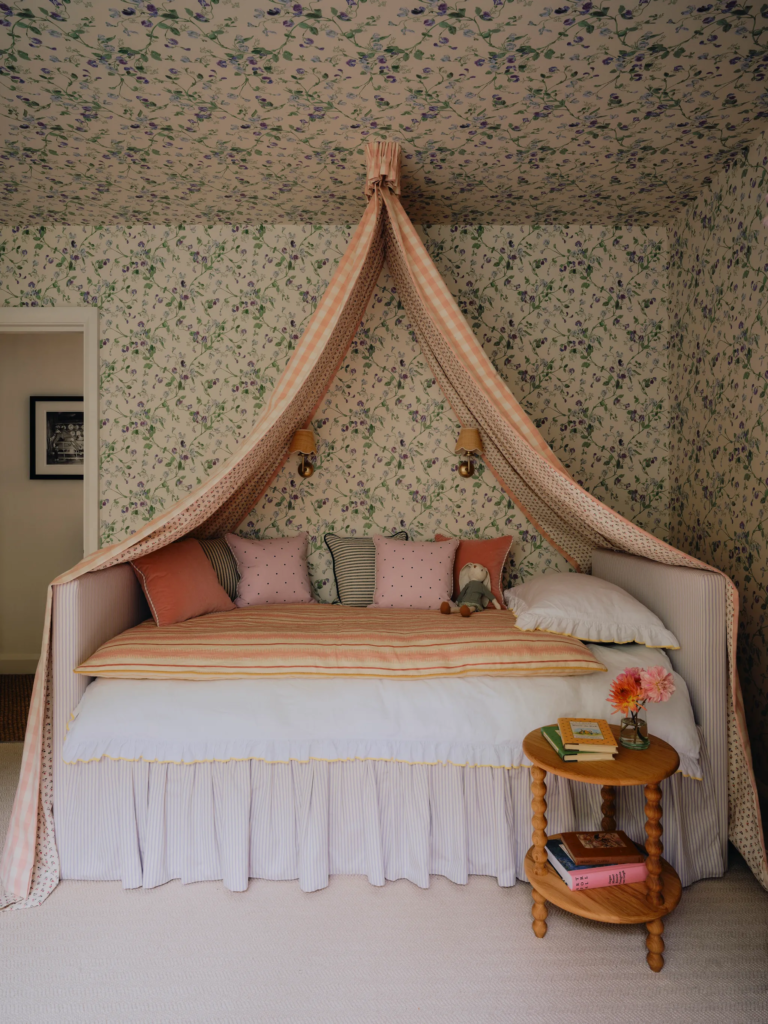
A canopy bed can transform a small child’s bedroom into a cozy and imaginative retreat. Patterned fabric around the bed provides an opportunity to introduce color and personality without requiring additional furniture.
Create a Tented Sleeping Area
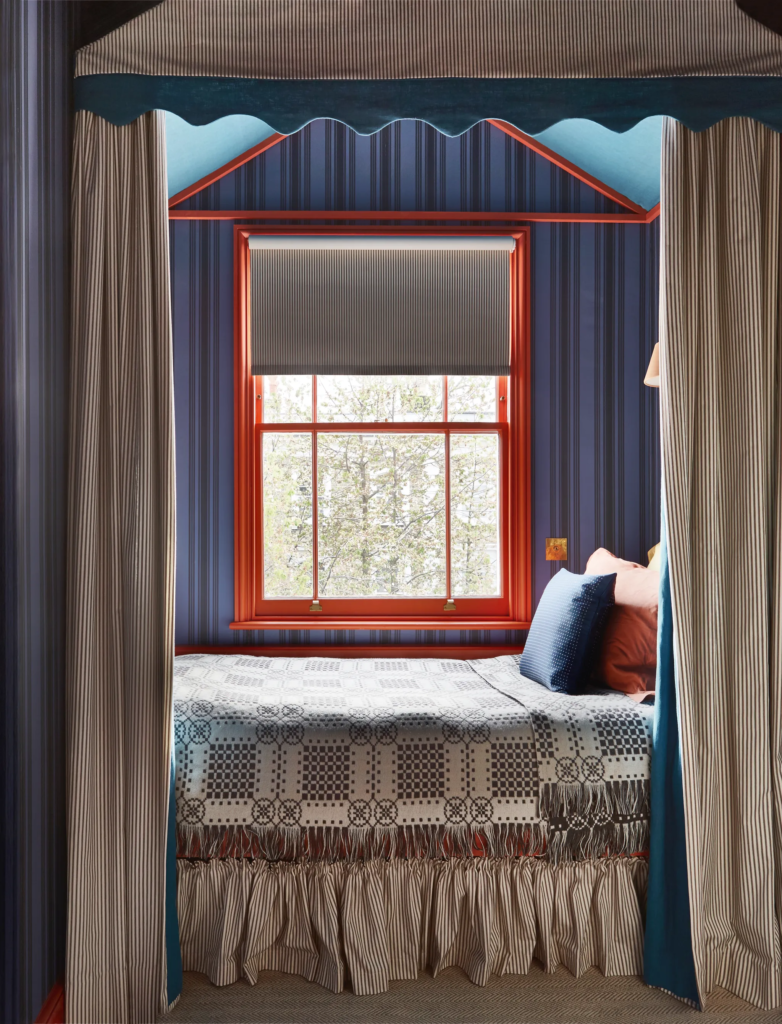
A tented bed can give a compact bedroom a theatrical and cozy character. Layered fabrics, stripes, and rich colors can make the sleeping area feel like a private retreat.
Turn an Unused Room Into a Bedroom

Unusual spaces can sometimes become practical bedrooms with careful planning. Even a former bathroom or other small room can work when the bed is positioned efficiently and storage is built into the available walls.
Build Shelving Around the Bed

A box bed with shelving around or above it provides both storage and display space. Books, decorative objects, and everyday essentials can be kept close without requiring additional furniture.
Make Awkward Rooms Work

Unusual shapes don’t have to limit your decorating options. A carefully selected color scheme and thoughtfully positioned furniture can turn an awkward room into a calm and comfortable bedroom.
Build Storage Into the Wardrobe

Built-in wardrobes can make excellent use of the space around a bed. Adding pull-out shelves or compact surfaces can eliminate the need for traditional bedside tables.
Keep the Spare Room Simple

A compact guest bedroom can benefit from a simple and serene design. A well-chosen headboard, subtle pattern, and a few meaningful decorative pieces can create a welcoming atmosphere without overcrowding the room.
Use Wall Paneling for a Cozy Feel
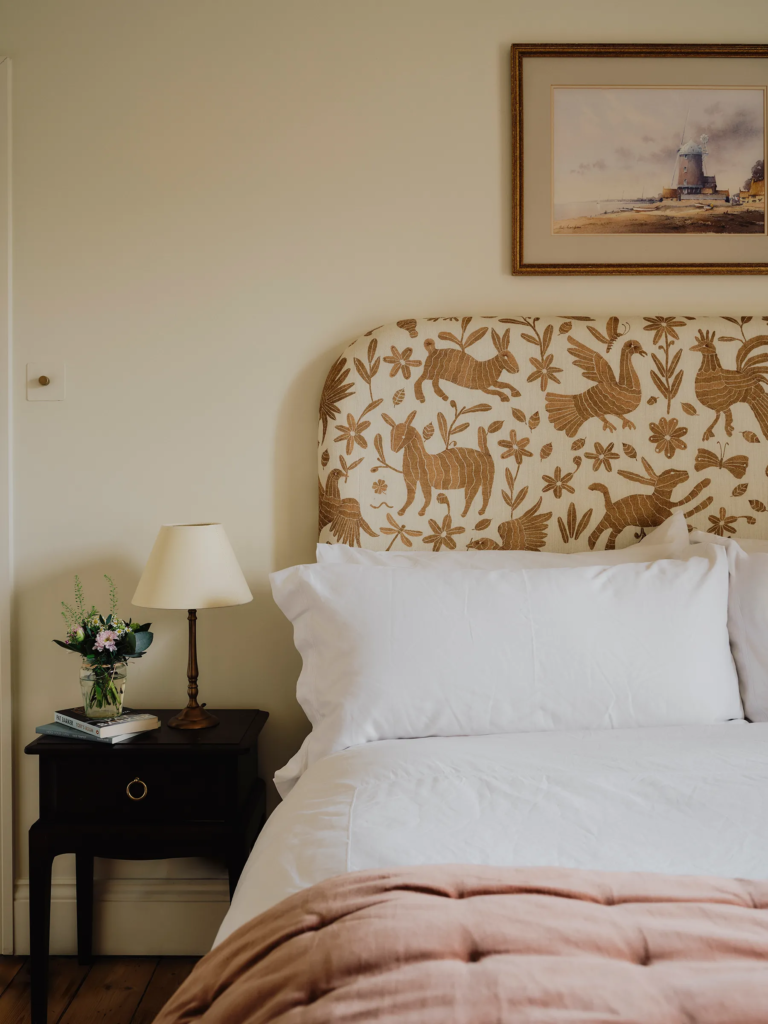
Tongue-and-groove or other forms of wall paneling can make a small bedroom feel warm and enclosed. Pair the paneling with simple textiles and reflective surfaces for a balanced look.
Choose Curved Furniture
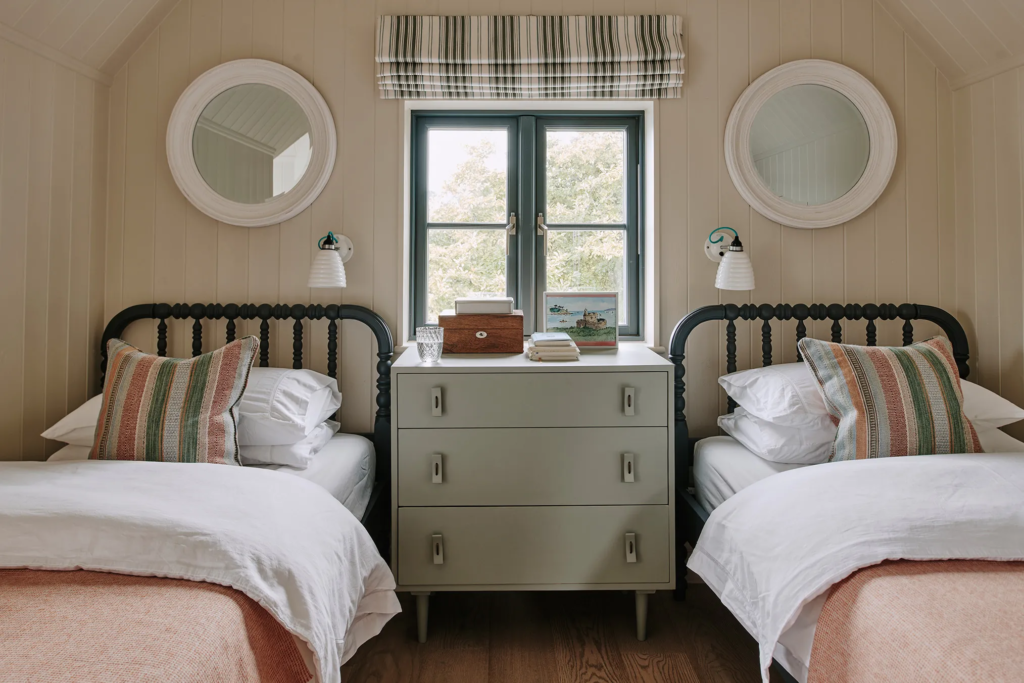
Curved bed frames and soft shapes can make a compact bedroom feel more inviting. Rounded furniture also introduces visual interest without relying on excessive decoration.
Build a Cabin Bed Under the Rafters

Attic bedrooms offer valuable opportunities for creative storage and furniture placement. A built-in cabin bed beneath the rafters can preserve floor space while making use of otherwise difficult areas.
Use a Desk as a Dressing Table

A compact desk can serve multiple purposes in a small bedroom. Use it as both a workspace and dressing table to avoid introducing separate pieces of furniture.
Choose a Light Color for the Walls
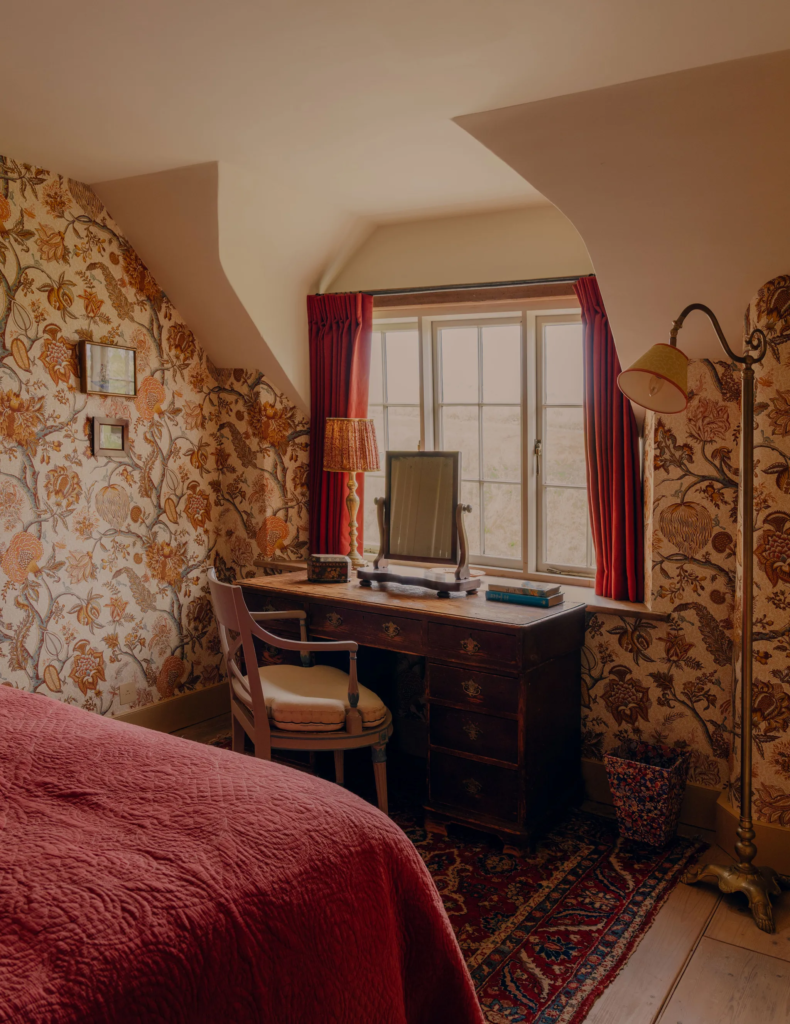
Soft, light colors can help a small bedroom feel brighter and more open. Pairing pale walls with a carefully selected headboard and understated furniture keeps the room visually calm.
Introduce Stripes
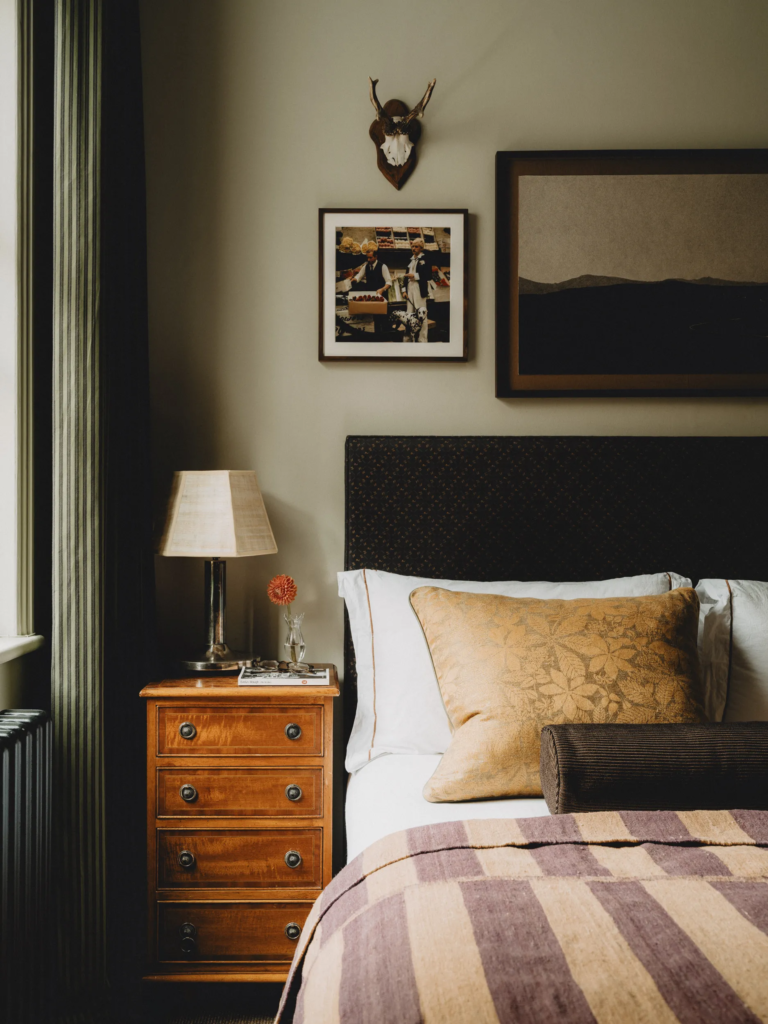
Striped walls can add architectural interest to a compact bedroom. Using related tones throughout the room creates a cohesive appearance while giving the space additional depth.
Use One Color Throughout
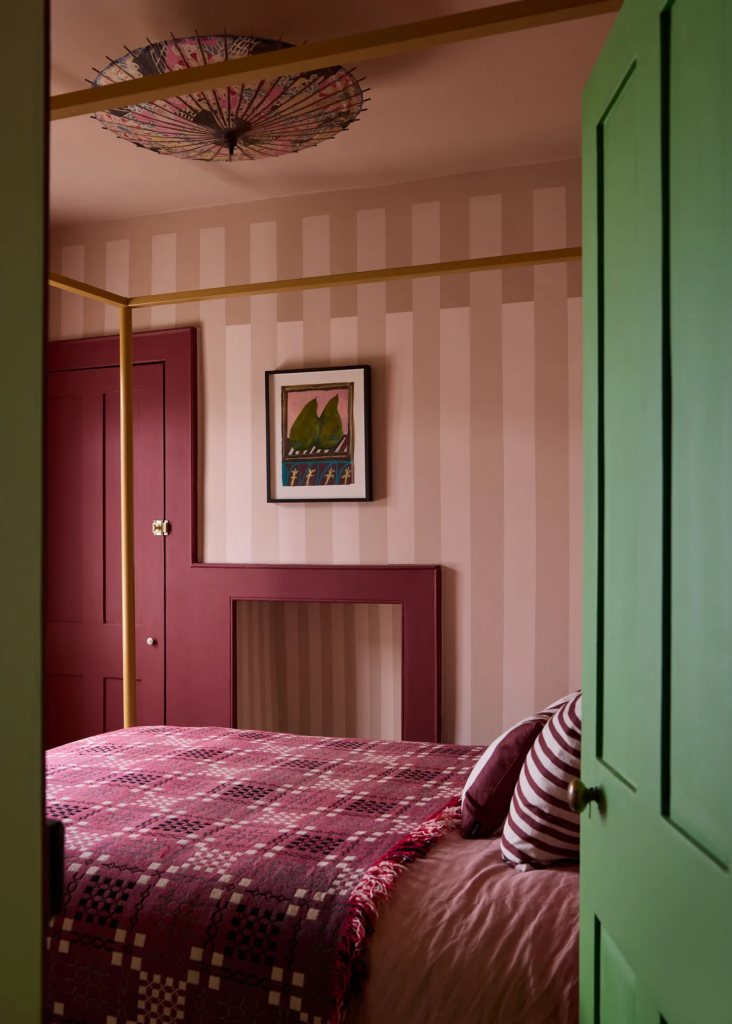
Keeping the walls, furniture, and textiles within one coordinated color palette can make a small bedroom feel snug and cohesive. Repeating a color across different surfaces creates a unified look.
Make Use of Vertical Space
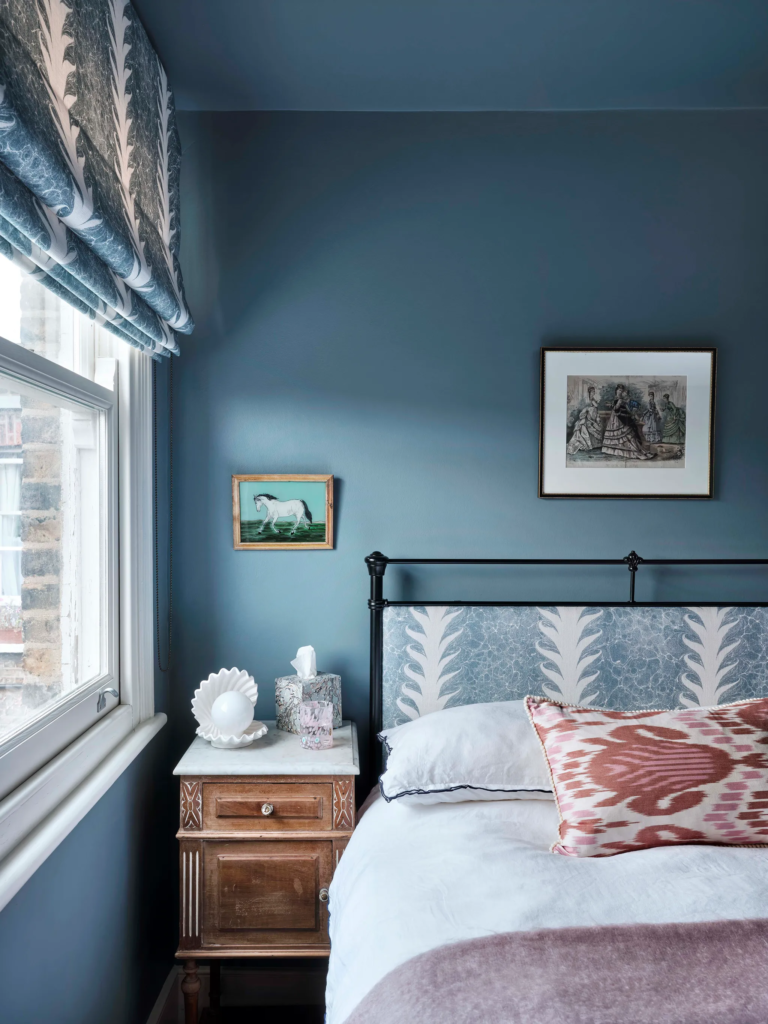
When floor space is limited, use the height of the room. Tall furniture and vertically oriented design elements draw the eye upward and can make a compact bedroom feel more spacious.
Let the Bed Become the Focal Point
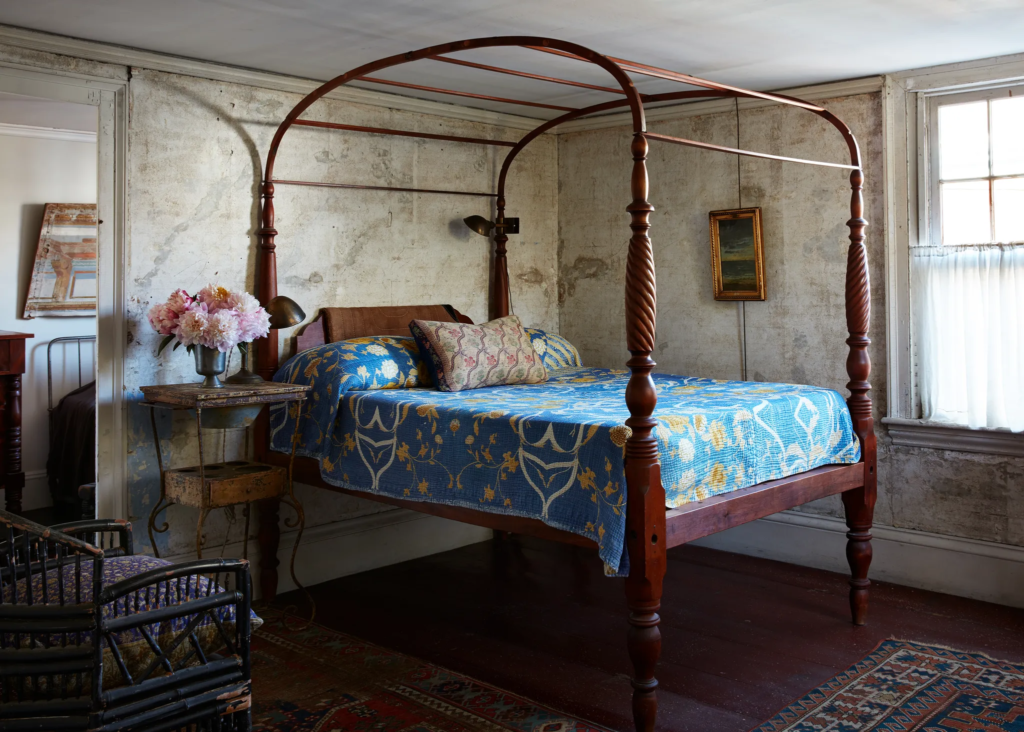
In a very small bedroom, the bed can become the main design feature. Choosing an attractive bed and keeping the remaining furniture minimal allows the room to feel purposeful rather than overcrowded.
Add Built-In Storage Niches
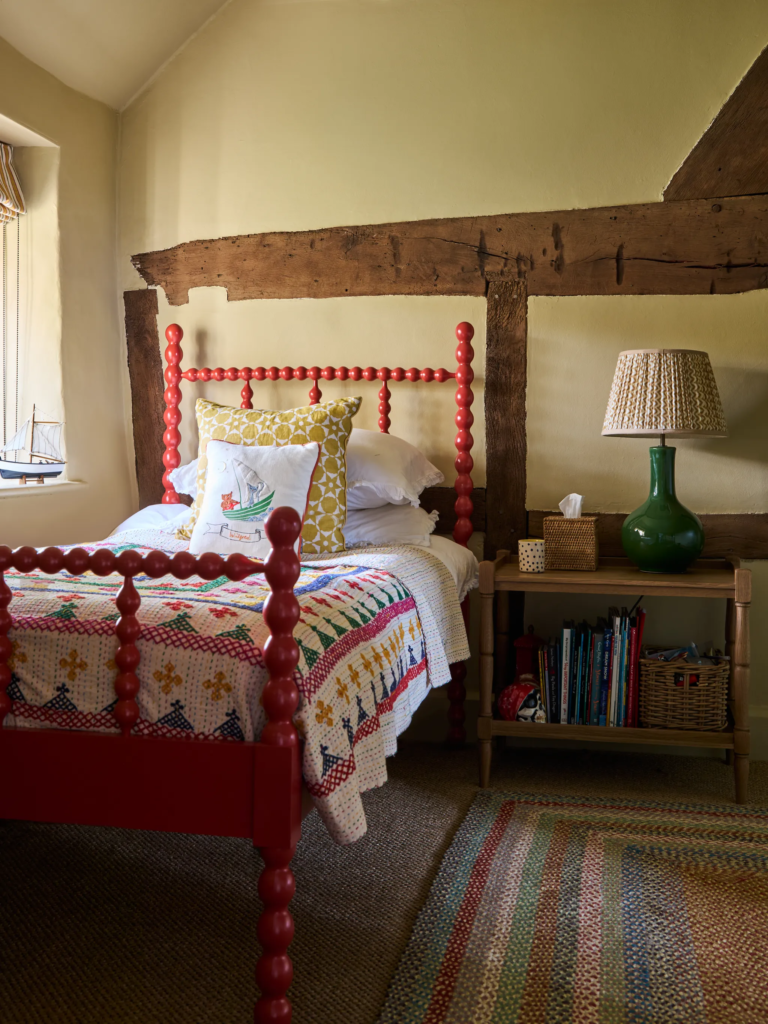
A recessed nook near the bed can provide useful storage without taking up floor space. This can replace bedside tables while giving the room a clean and integrated appearance.
Build a Shelf Behind the Headboard
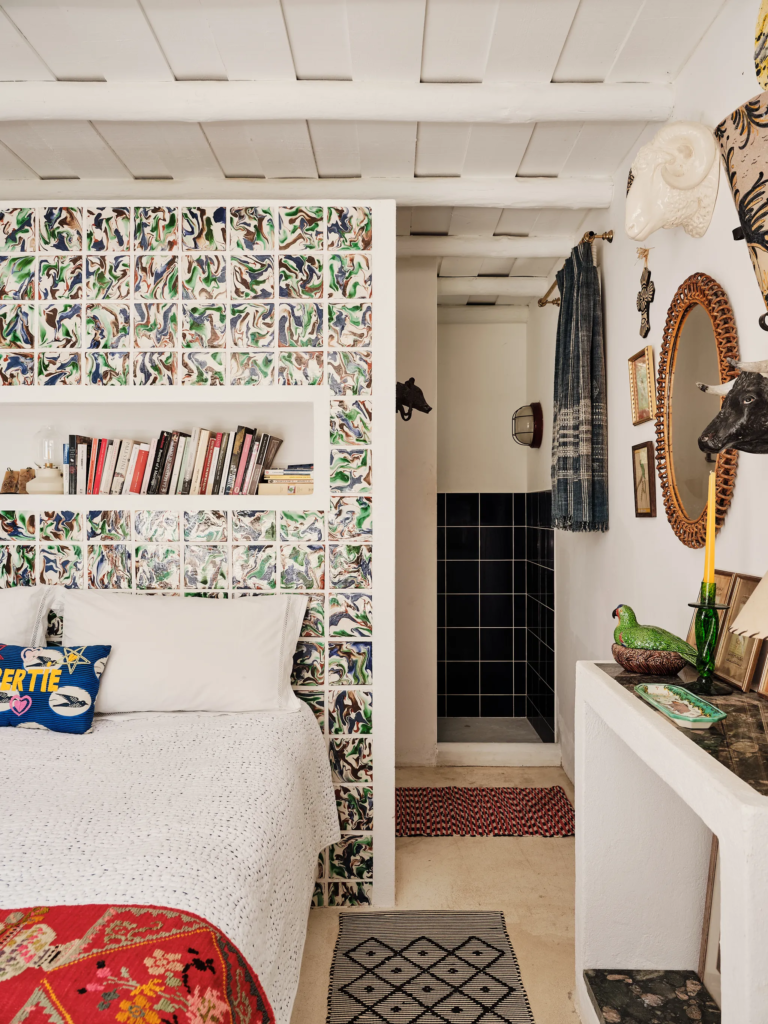
A shelf behind the headboard can provide discreet storage for books and everyday items. In some designs, the shelf can even conceal additional storage compartments.
Use Wallpaper on Tall Walls
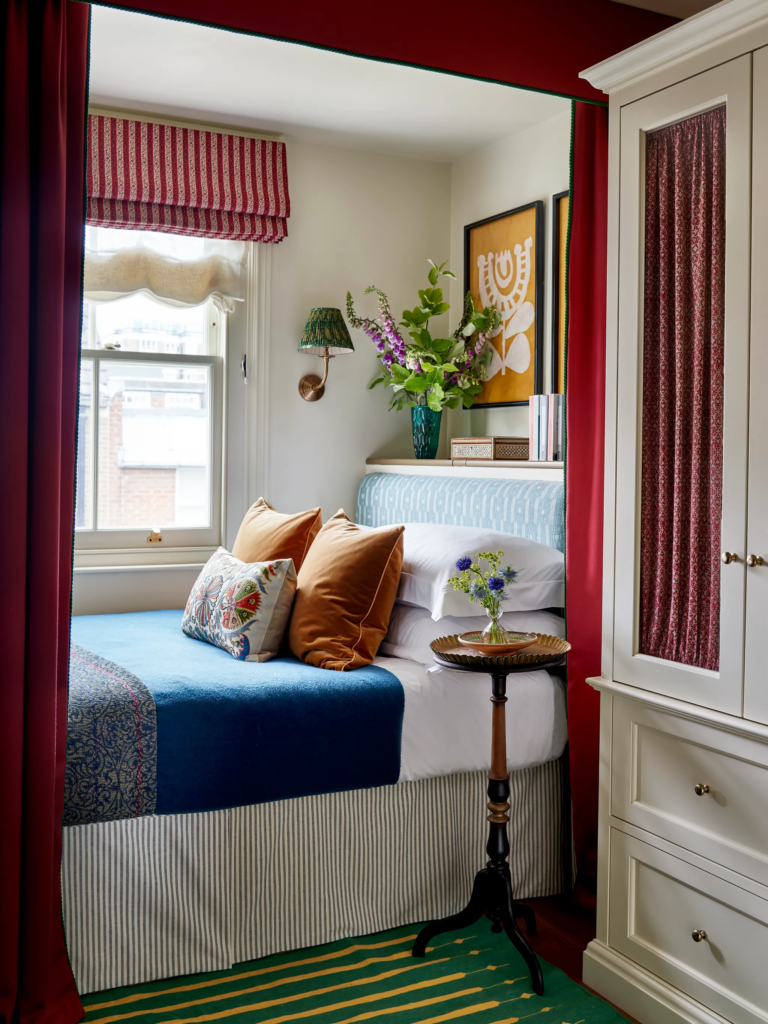
High ceilings can make a small bedroom feel more spacious. Extending wallpaper across tall walls emphasizes the height and creates a dramatic sense of continuity.
Balance Pattern With Neutral Textiles
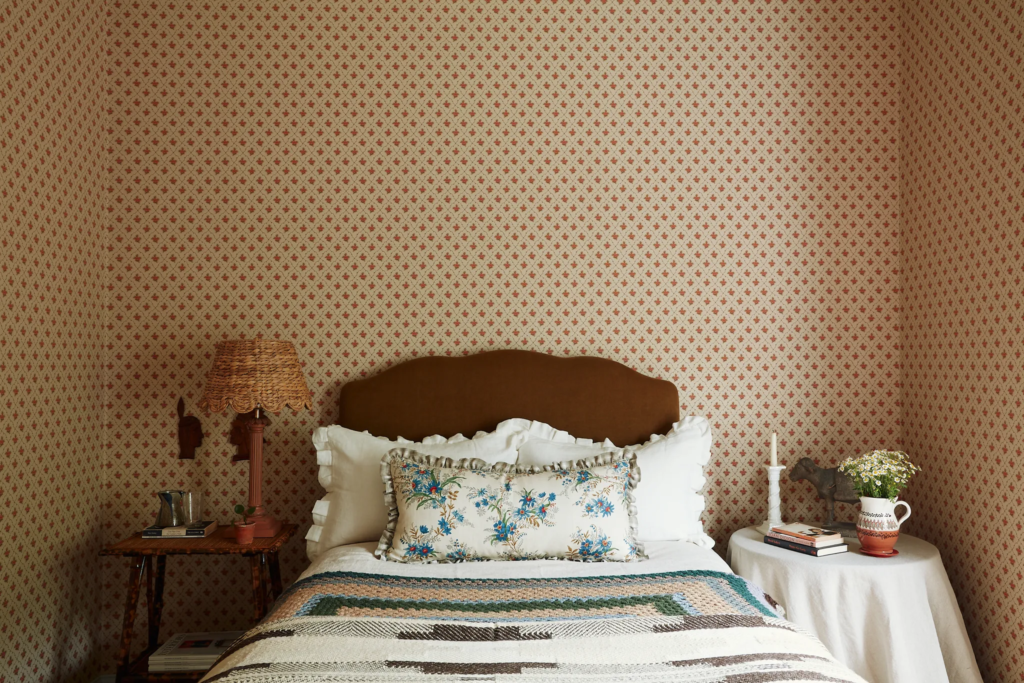
If you want to use several patterns, balance them with neutral fabrics. A simple headboard or bedding can prevent a compact bedroom from becoming visually overwhelming.
Decorate Above the Bed

Artwork above the bed can introduce color and personality without taking up valuable floor space. Choose pieces that coordinate with the room’s furniture and textiles.
Create a Soft and Comfortable Guest Room
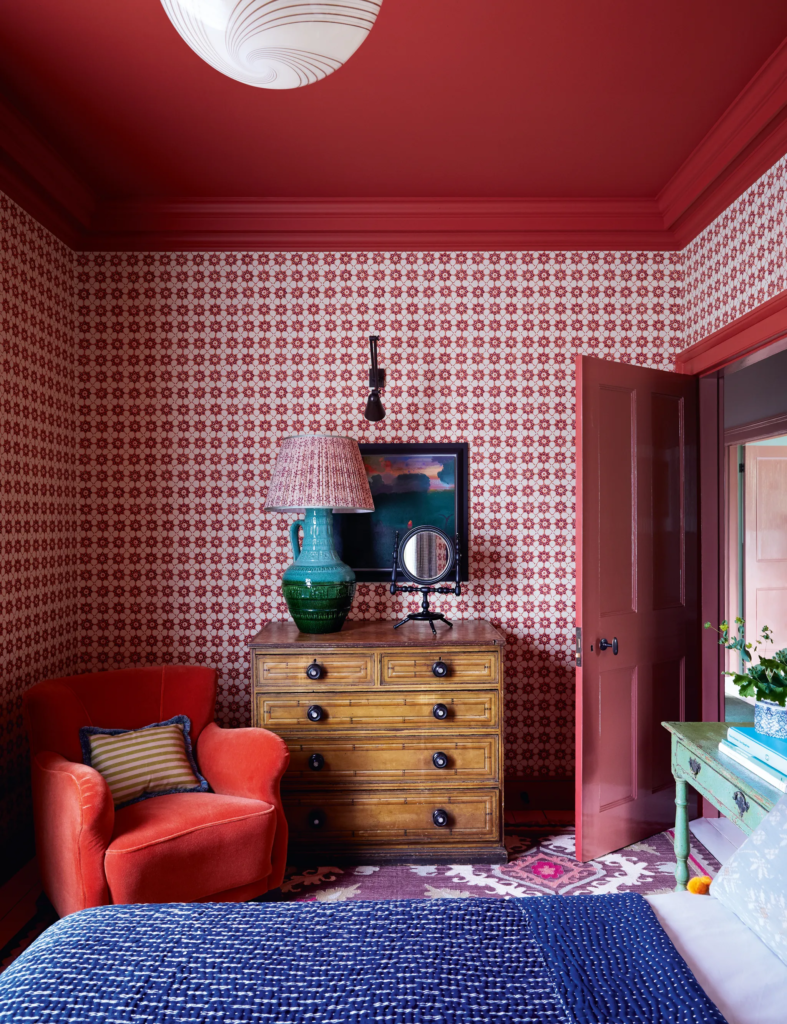
A spare bedroom can feel welcoming with soft wallpaper, layered textiles, and comfortable bedding. Keeping the palette gentle creates a relaxed atmosphere.
Try a Half-Painted Wall
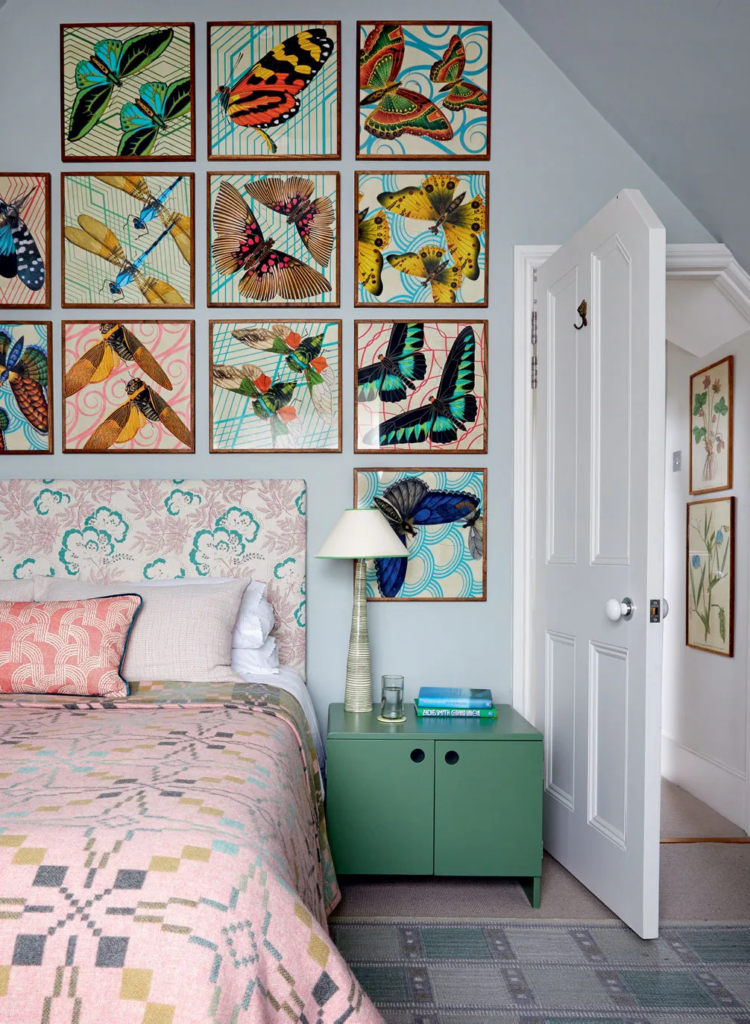
A half-painted wall is an easy alternative to full wallpaper. Combine it with a patterned headboard or window treatment to introduce visual interest while keeping the design balanced.
Emphasize a High Ceiling
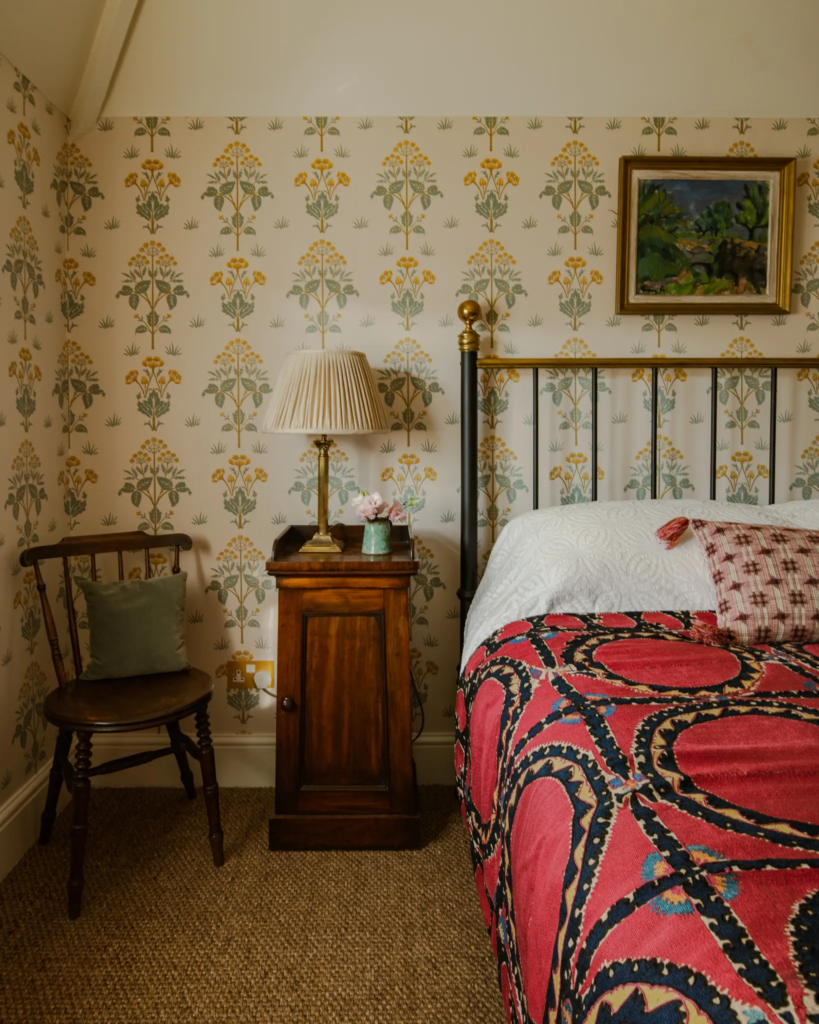
A small bedroom with a high ceiling can feel considerably more spacious when the vertical proportions are emphasized. Use strong wall colors or patterns to draw attention upward.
Add an Internal Window

An internal window can allow natural light to travel between rooms. This can be particularly useful in compact apartments where a bedroom might otherwise feel dark or enclosed.
Use Deep Window Sills
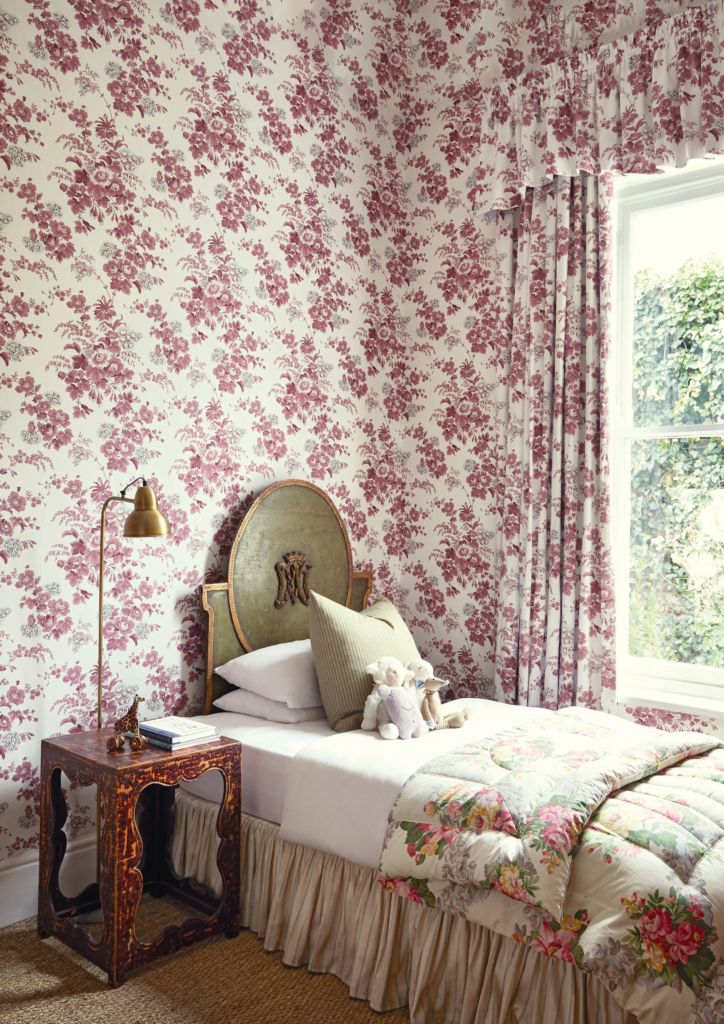
Deep window sills can provide valuable surfaces for plants, books, and small decorative objects. They are especially useful when there is little room for additional furniture.
Choose Simple Furniture
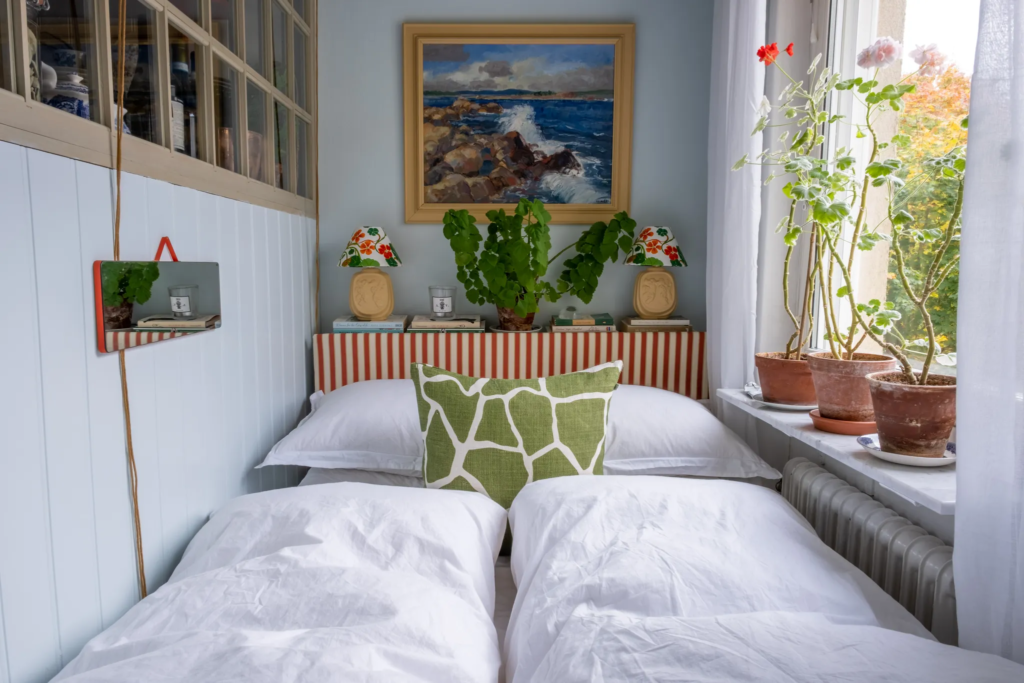
In a small bedroom, modest furniture can sometimes work better than oversized pieces. A simple bed frame and compact bedside table can keep the room open and uncluttered.
Soften Large Wardrobes
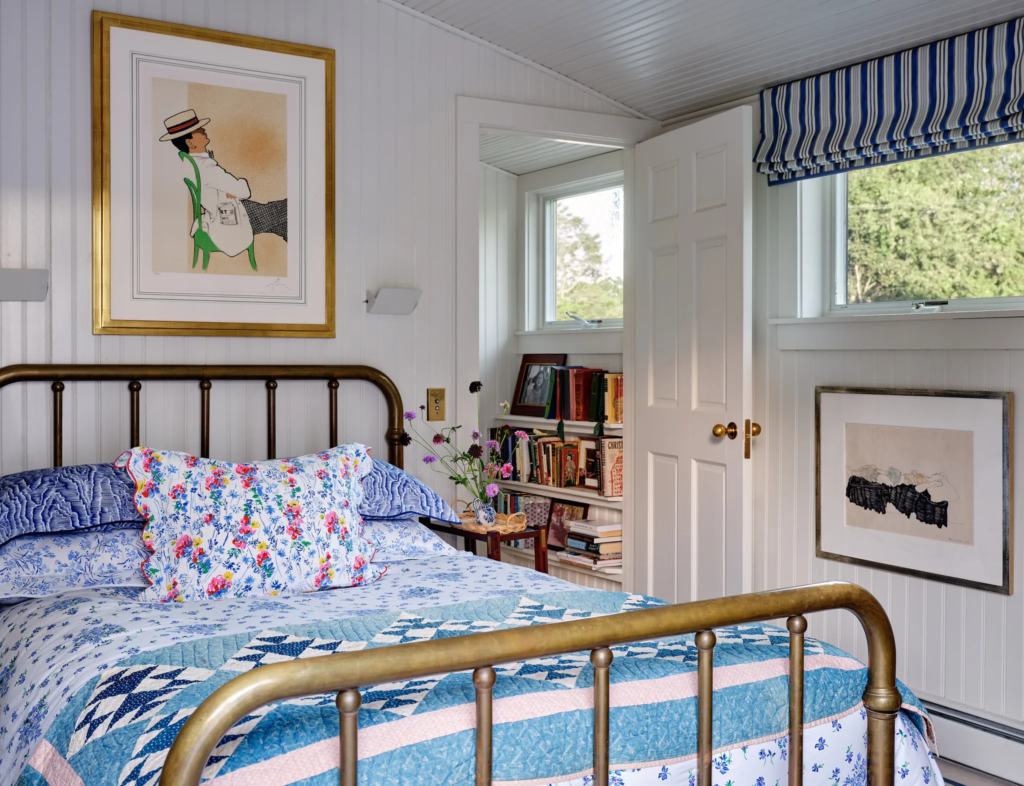
If wardrobes are necessary, soften their appearance with fabric or carefully chosen colors. Upholstered or painted storage can feel less imposing than large plain cabinets.
Create an Attic Reading Nook
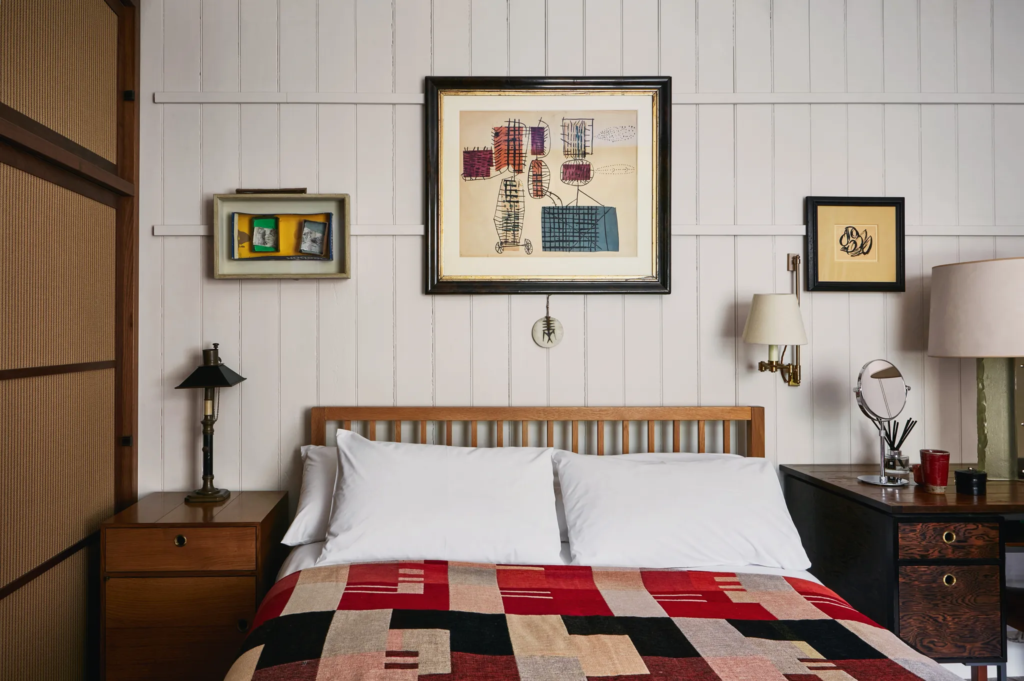
A small daybed can turn an unused corner into a comfortable reading or relaxation area. Add soft cushions and a small light to make the nook practical and inviting.
Use Light Colors to Reflect Natural Light

Soft wall colors and off-white finishes can help bounce natural light around a compact bedroom. This simple approach can make the room appear brighter and more spacious.
Turn a Small Studio Into a Calm Retreat
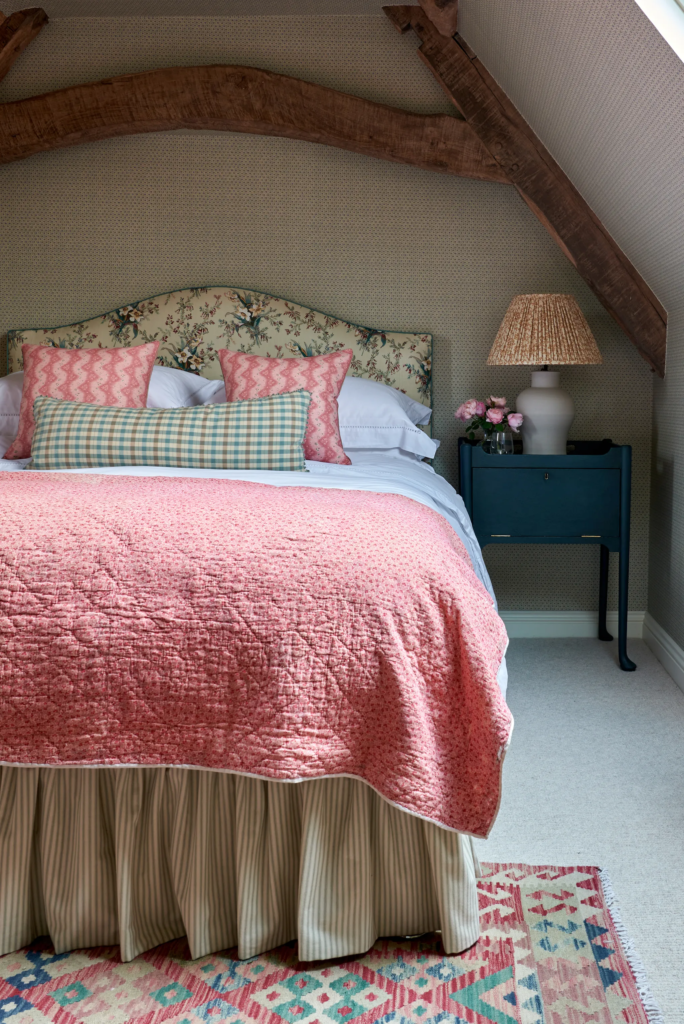
A detached studio or small garden room can work beautifully as a compact bedroom. Wood paneling, natural materials, and restrained decoration create a peaceful atmosphere.
Combine a Bedside Table With a Desk
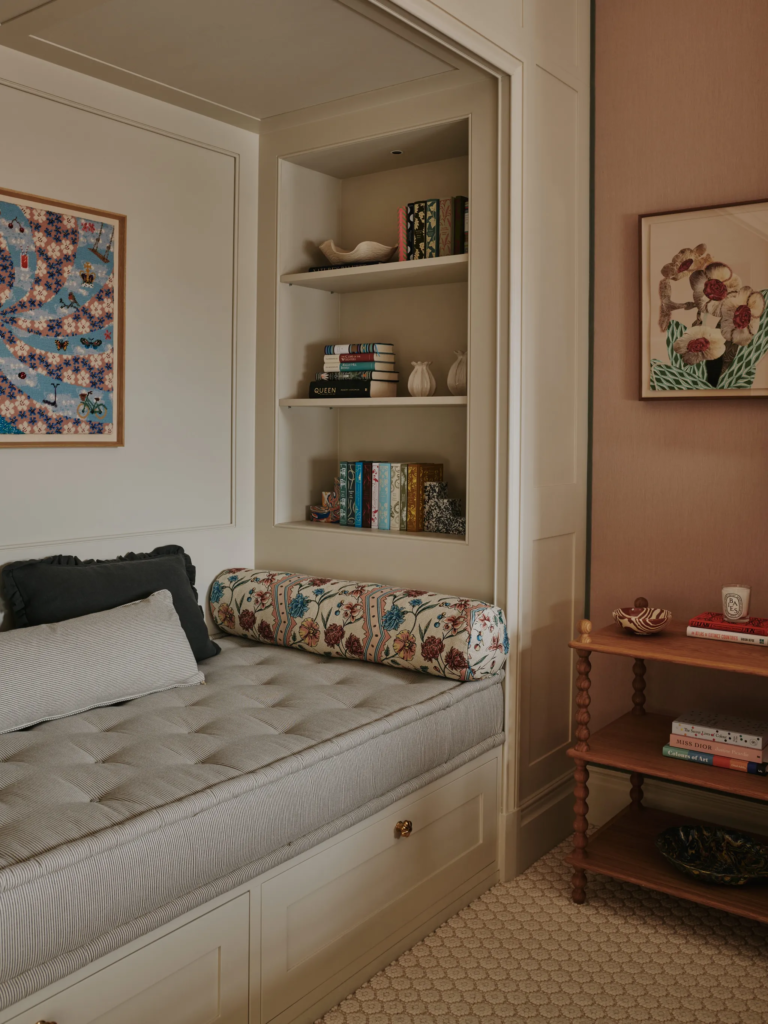
Choose furniture that can serve more than one purpose. A strategically positioned side table can double as a vanity or writing desk when paired with a nearby chair.
Keep the Palette Airy
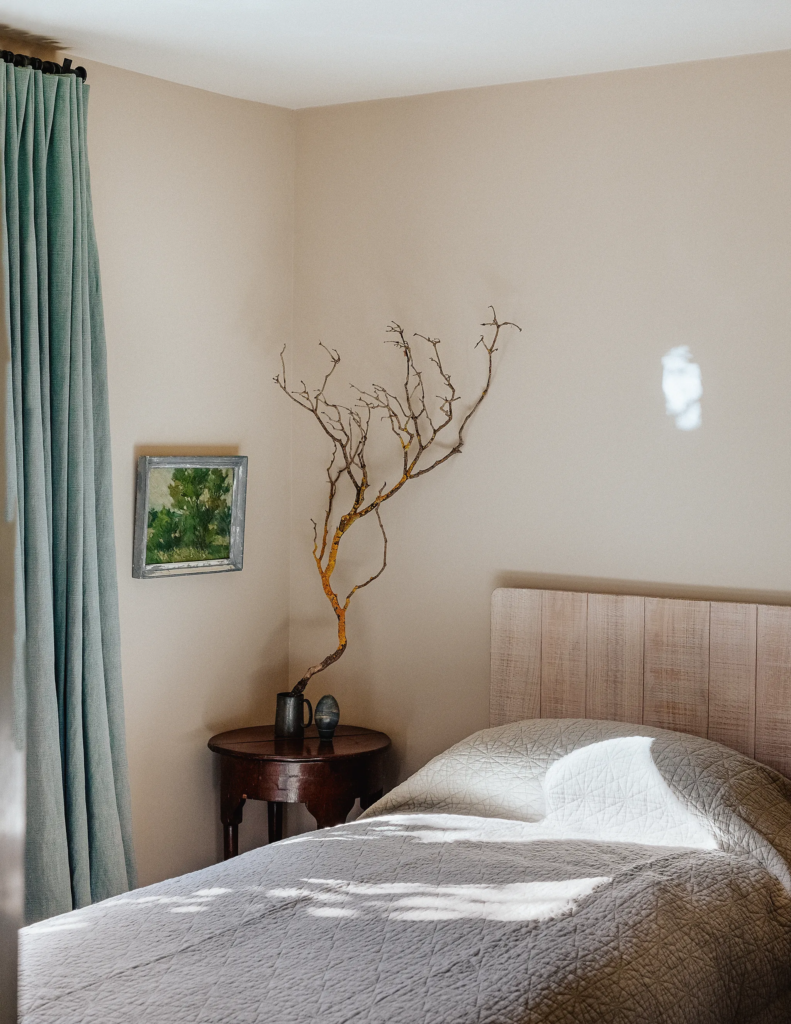
A restrained palette of whites, beige, and other soft neutrals can make a small bedroom feel light and uncluttered. Add artwork or small decorative accents for personality.
Use a Canopy to Emphasize Height
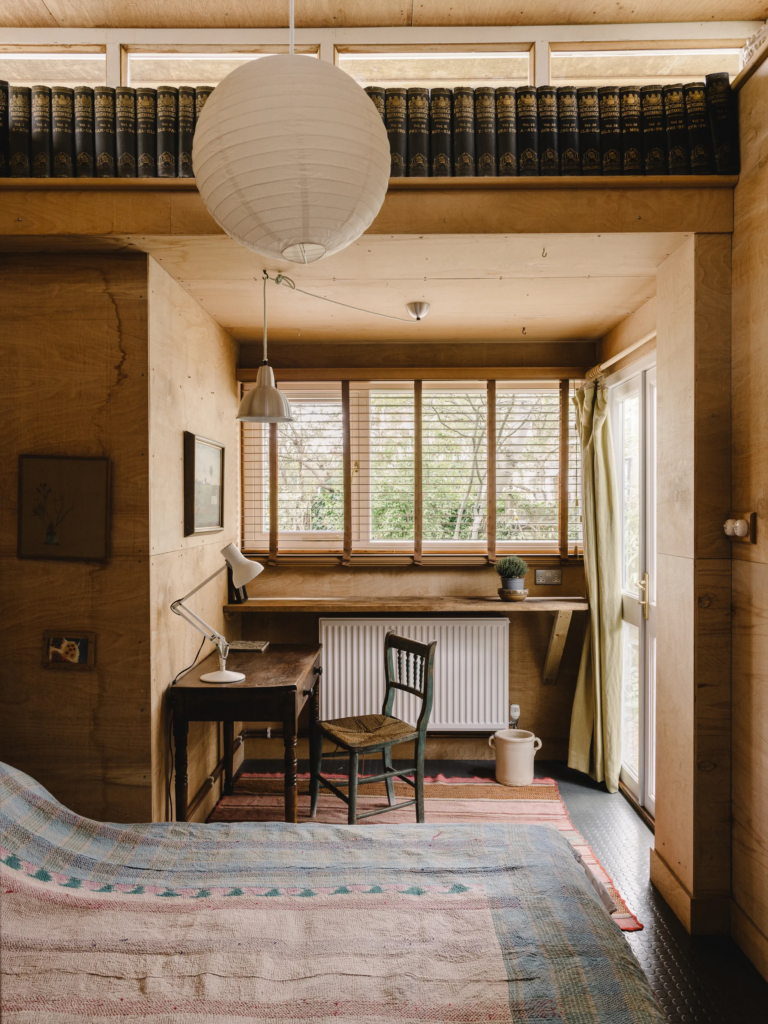
A canopy bed can draw attention toward the ceiling, making a compact bedroom appear taller. Choose a simple structure and lightweight fabric for a balanced result.
Use a Muted Palette With Colorful Accents
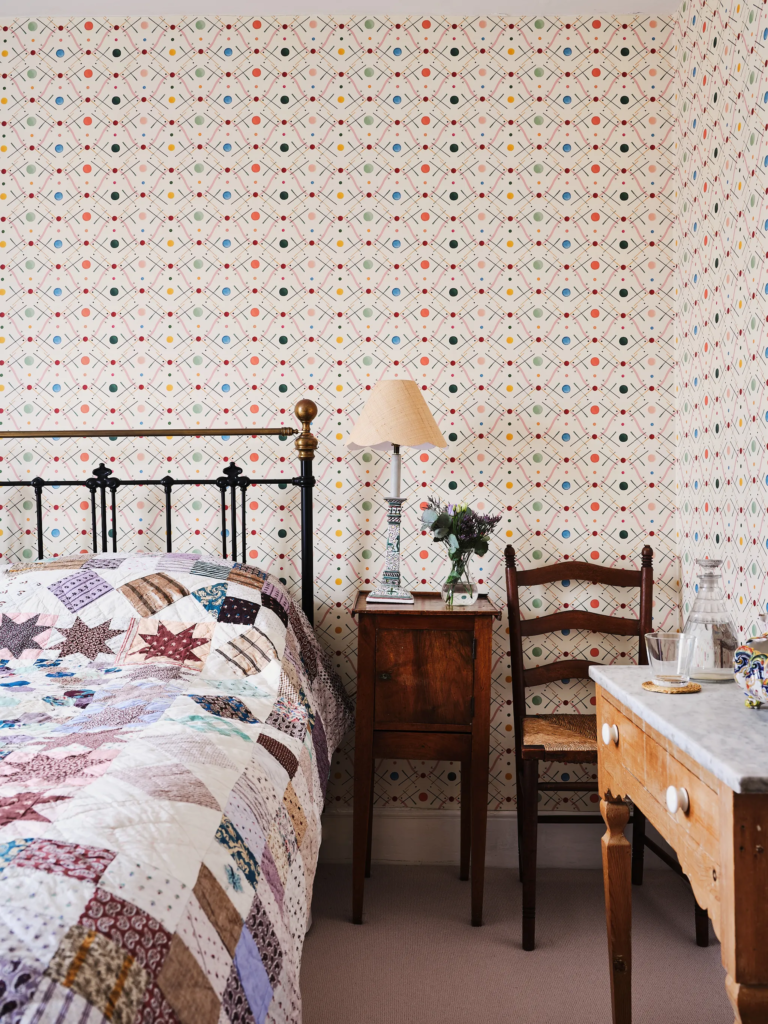
Muted walls and larger furnishings can create a calm foundation, while a colorful rug, chair, or accessory can add energy without overwhelming the room.
Add Decorative Curtains
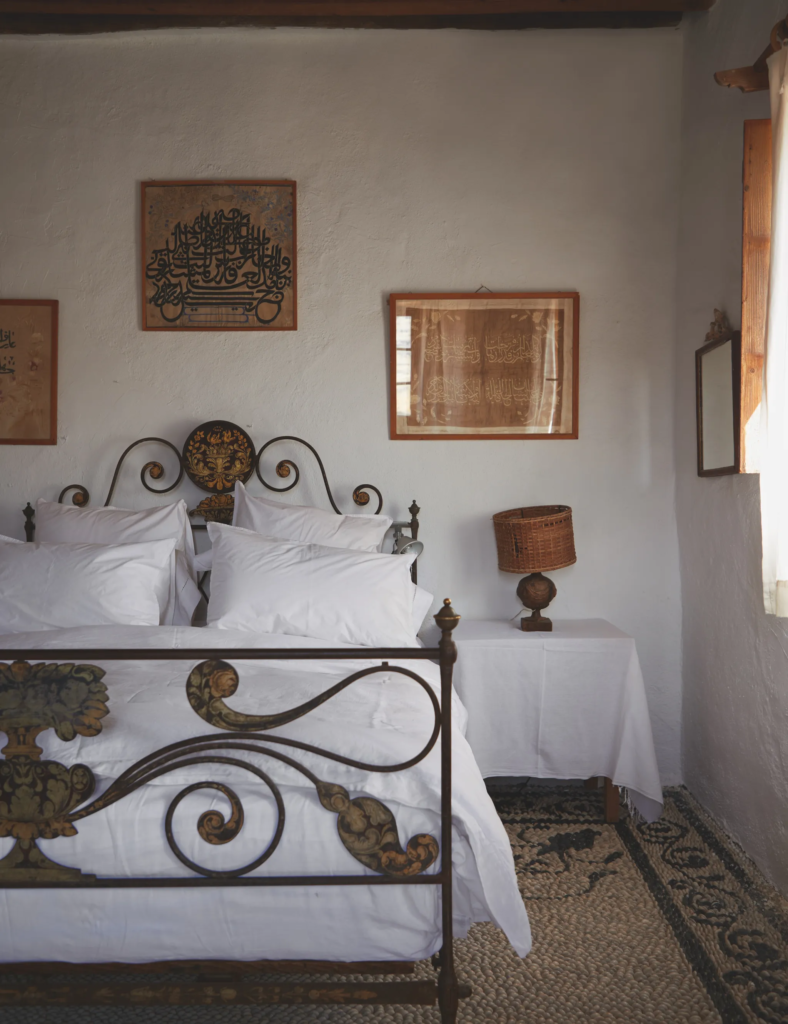
Curtains can introduce color, texture, and pattern to a small bedroom. Choose fabrics that complement the bedding and walls for a cohesive look.
Upholster the Walls
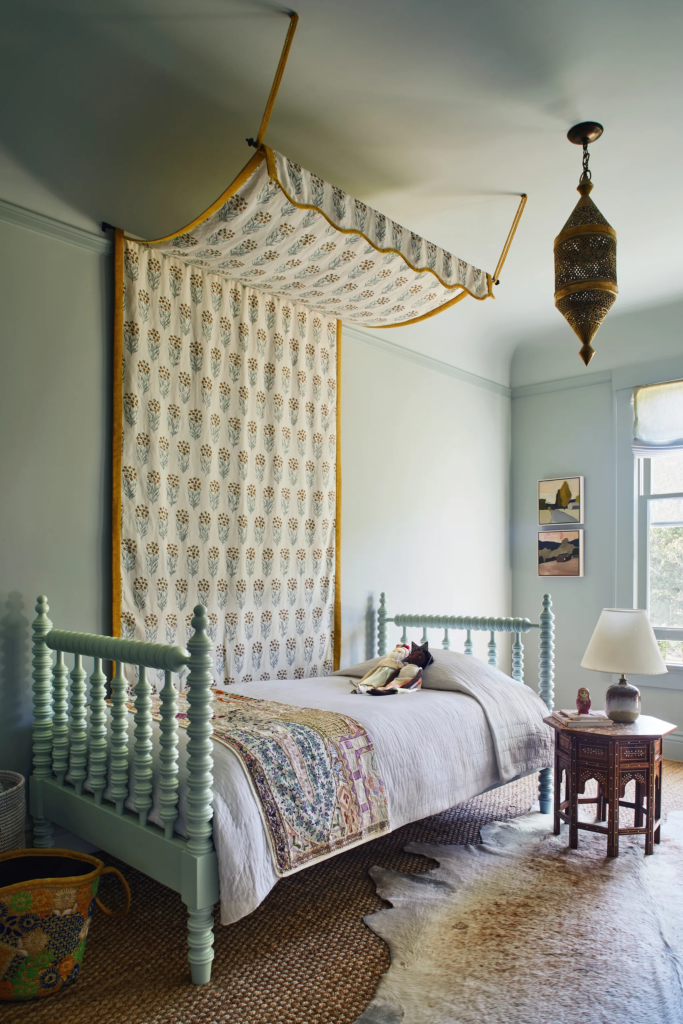
Wall upholstery can add softness and texture to a compact bedroom. A single calm color can create a peaceful backdrop while giving the room a more luxurious feel.
Separate Two Beds With a Small Stool
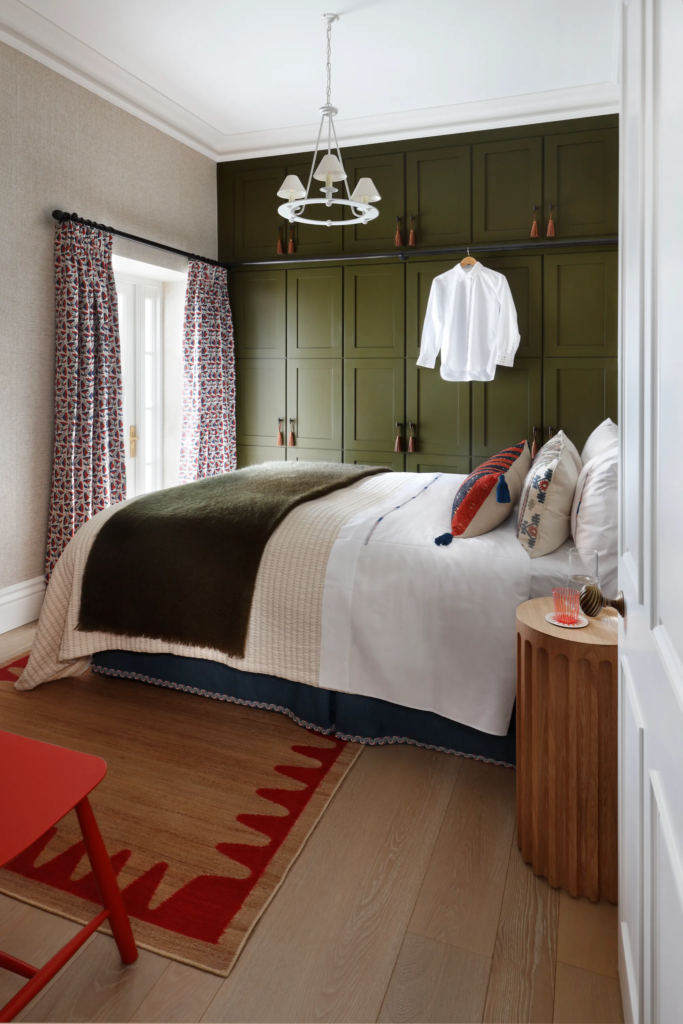
When fitting two beds into a compact room, use a small stool or narrow table between them as a shared bedside surface. This avoids taking up space with larger furniture.
Use Shelves for Storage and Display
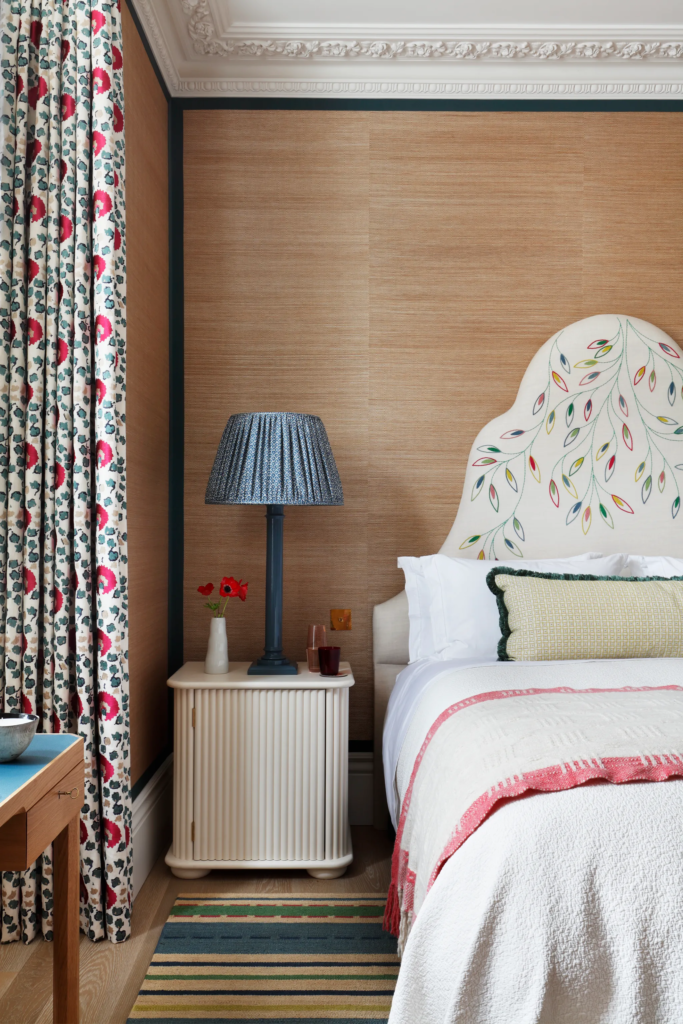
A wall-mounted shelf provides practical storage without reducing floor space. Use it for books, artwork, plants, and small decorative pieces.
Create a Tiny Spare Bedroom
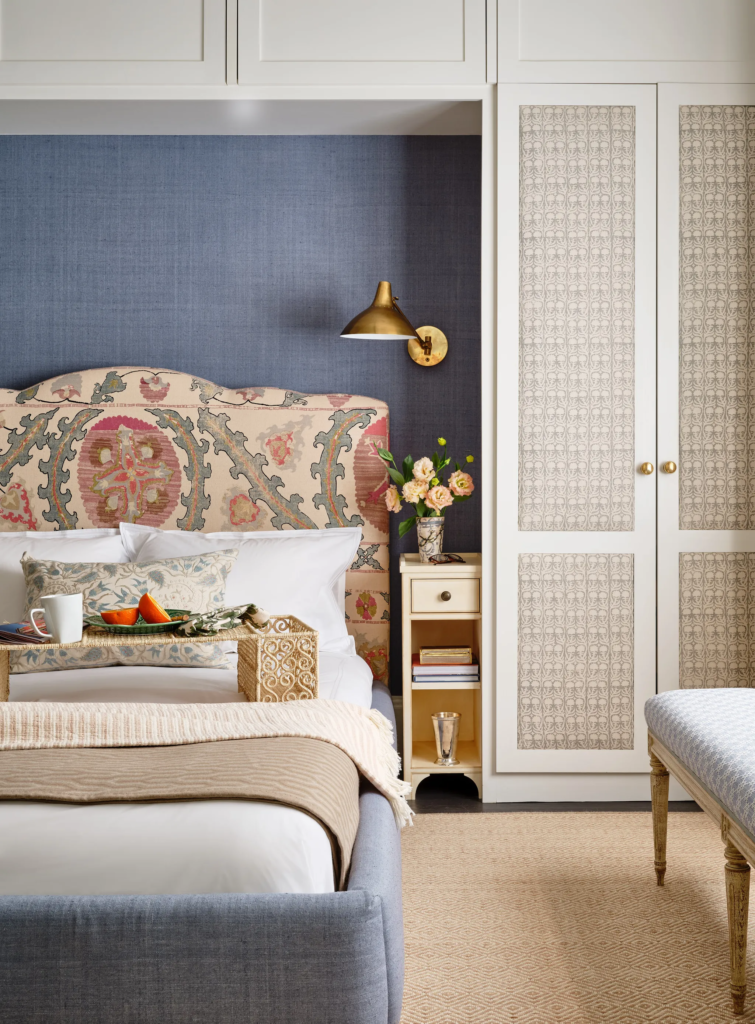
Even an extremely small spare room can feel inviting with the right combination of color, paneling, and carefully selected furniture. Keep the design simple but give the room a distinct character.
Build a Custom Bed
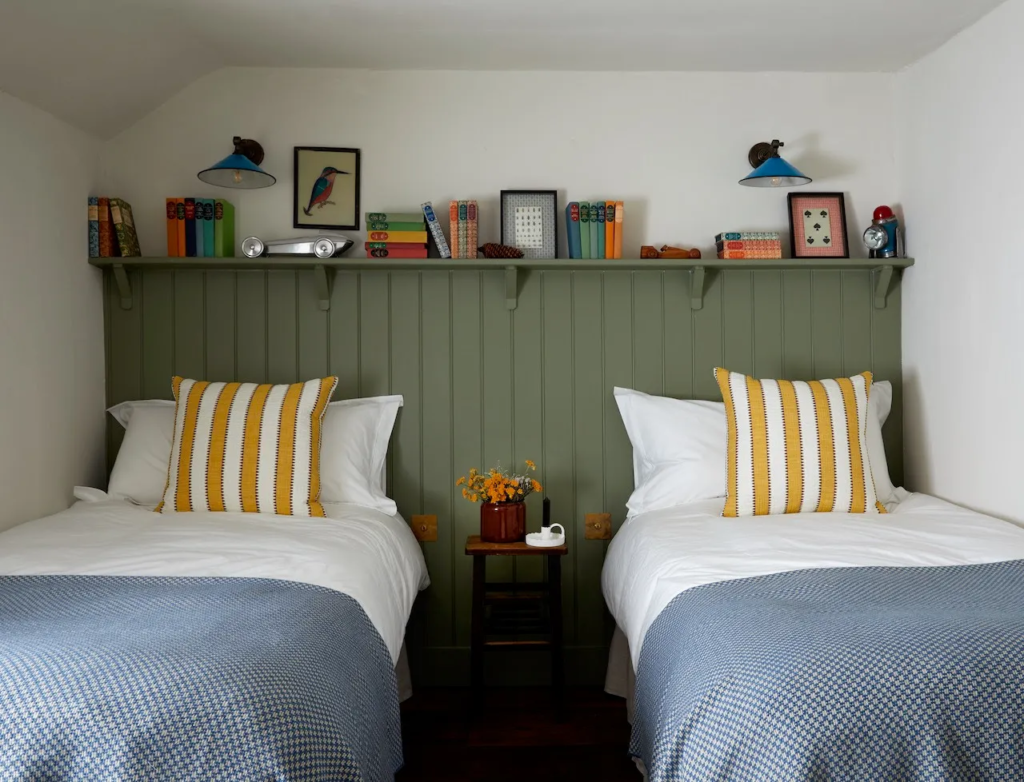
A bespoke bed can be designed around the exact dimensions of a compact room. This allows you to use difficult corners and preserve as much floor space as possible.
Add Drawers Beneath the Bed
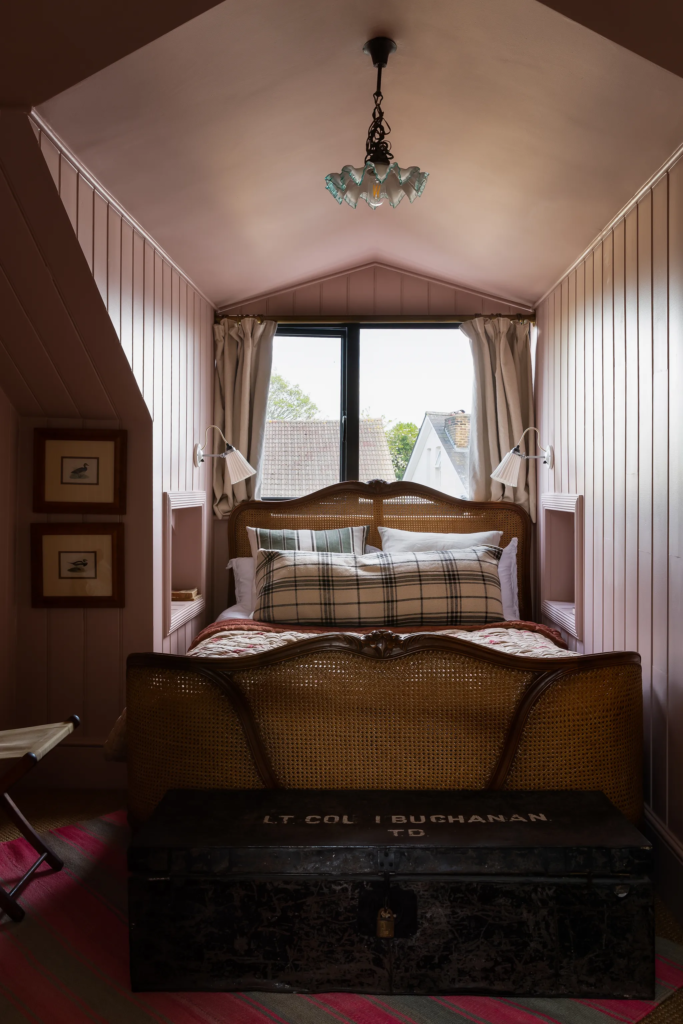
A bed with integrated drawers provides valuable hidden storage. Use the compartments for bedding, clothing, or other items that would otherwise require additional furniture.
Use Wallpaper in an Attic Bedroom
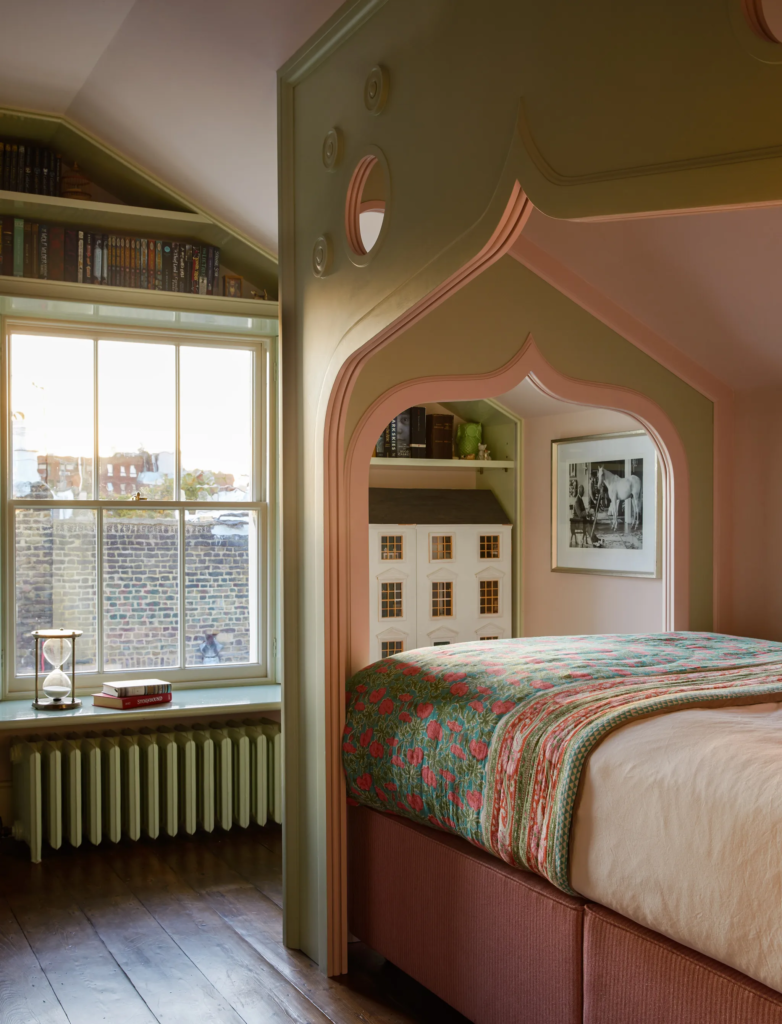
Wallpaper can bring personality to an attic bedroom while helping to soften unusual proportions. Choose a pattern that complements the shape of the room.
Create Matching Color Combinations
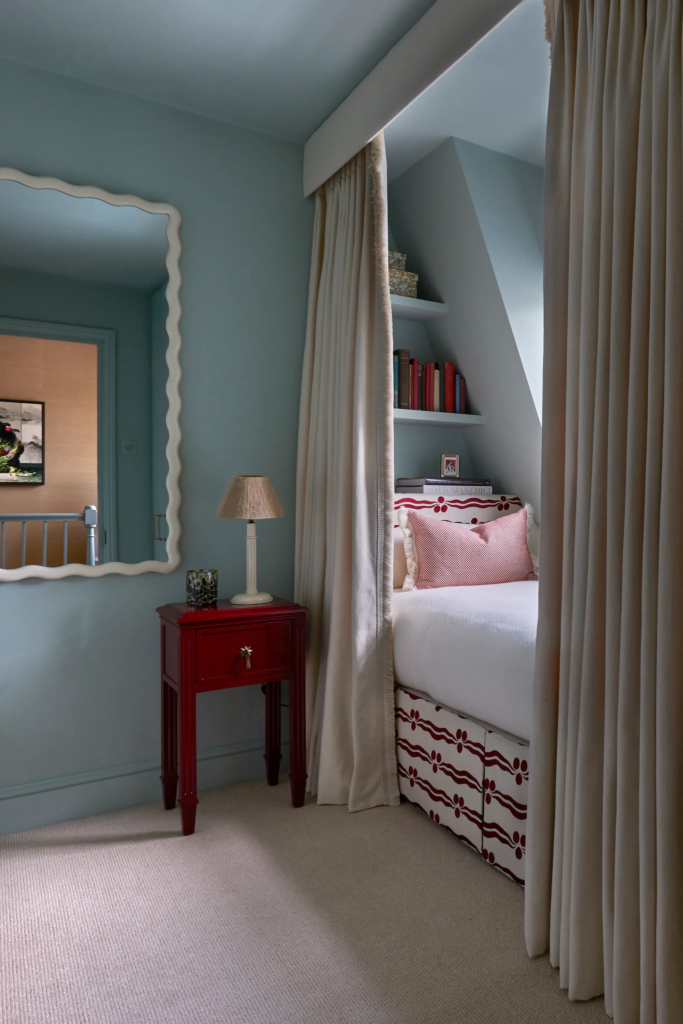
Using related colors on the walls, ceiling, furniture, and bedding creates a coordinated appearance. This approach can make a compact bedroom feel more thoughtfully designed.
Add Built-In Shelving Above the Bed

Shelving above the bed can provide both storage and display space. Pair it with concealed storage underneath the bed to maximize every available area.
Use Overlapping Bunk Beds
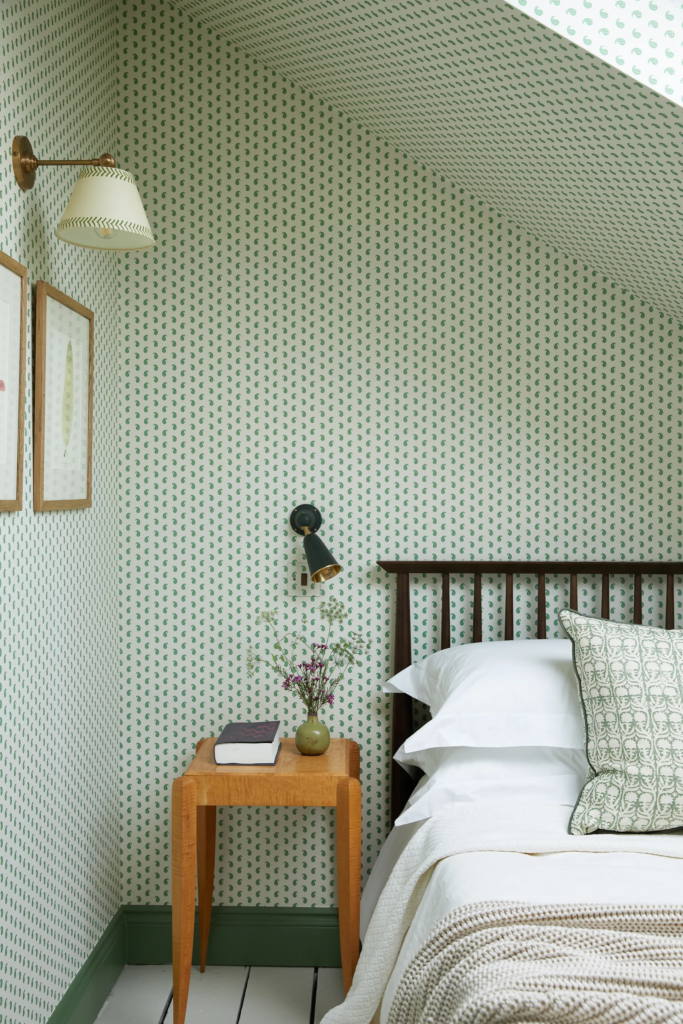
Overlapping bunk beds can be an effective solution for a small children’s bedroom shared by two people. The vertical arrangement leaves more floor space available for movement and play.
Cover a Small Room in One Pattern
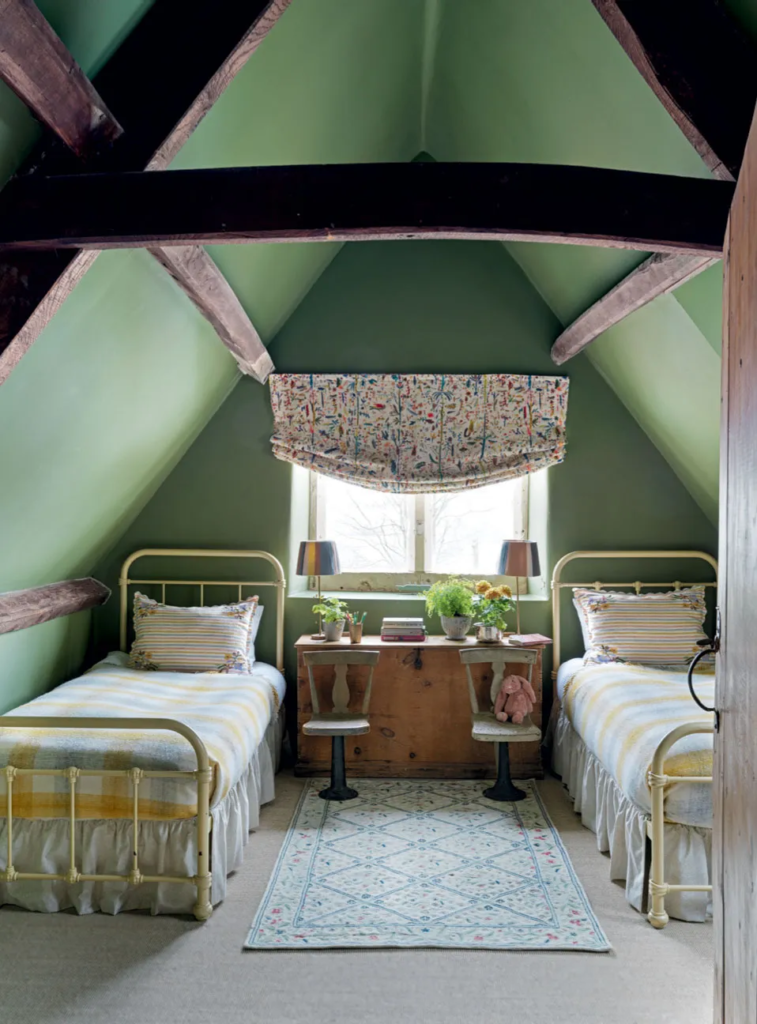
A bold pattern can work particularly well in a very small room. Using the same fabric or print across multiple surfaces creates an enveloping, cozy atmosphere.
Use a Box Bed in an Attic
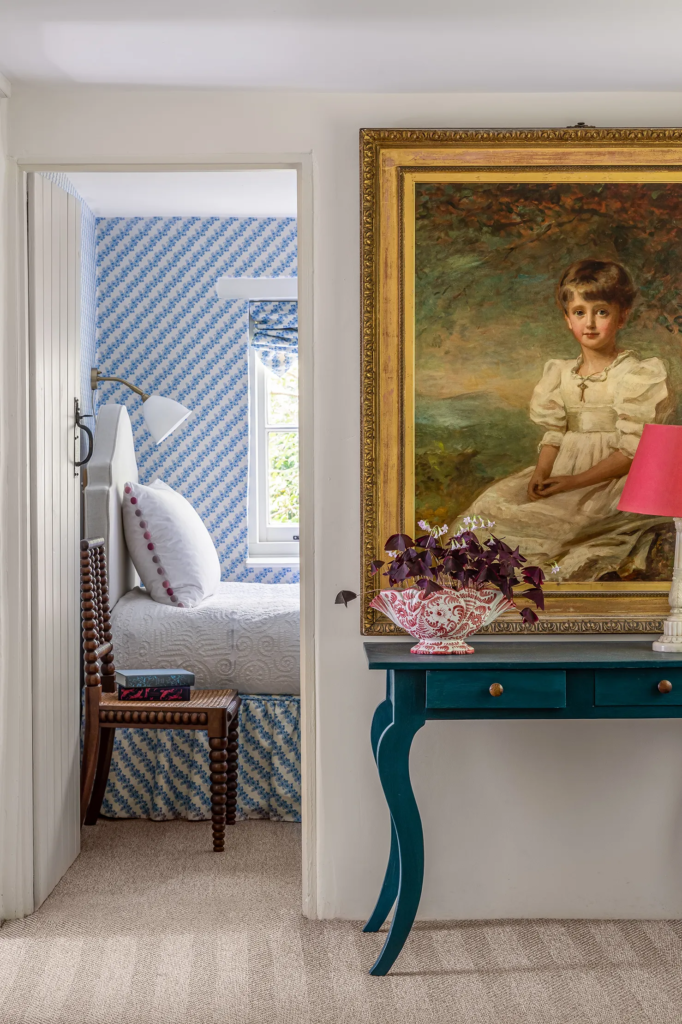
A box bed can make excellent use of an attic’s limited floor area. Painting the built-in structure in a warm color can make it feel like a deliberate architectural feature.
Choose a Daybed for a Multifunctional Room
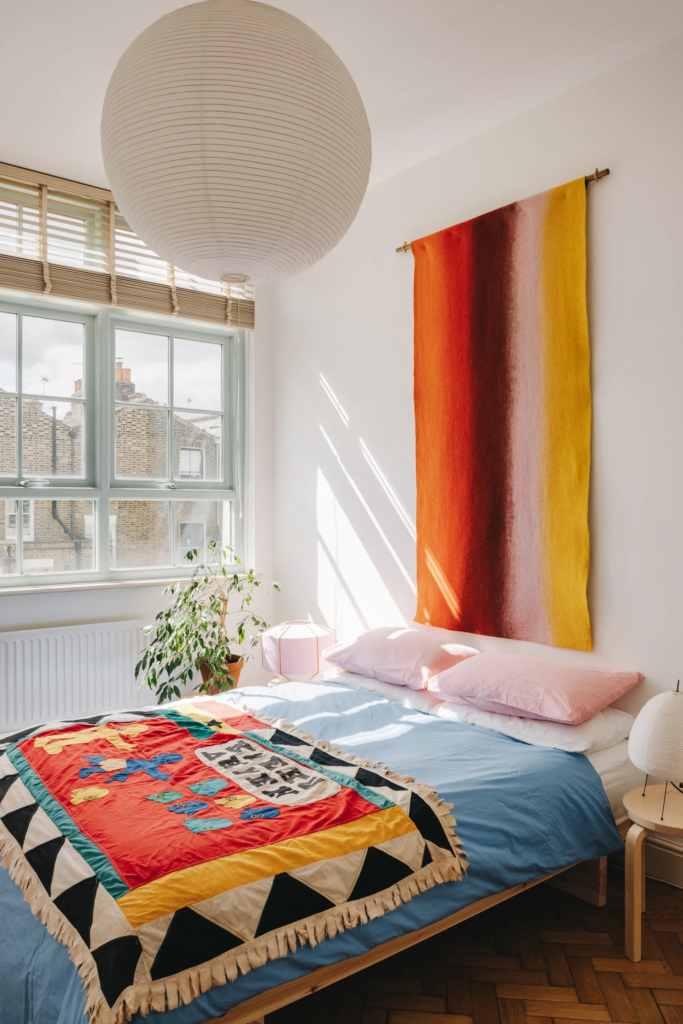
A daybed is a practical choice for guest rooms that serve multiple purposes. It provides seating during the day and sleeping space when guests stay overnight.
Build Around a Sloping Ceiling

Instead of fighting a sloped ceiling, design furniture around it. A built-in nook can fit neatly into the angled space while creating additional storage or seating.
Use Bunk Beds for Multiple Children

Bunk beds can accommodate several children in one room without requiring additional floor space. Built-in designs can also incorporate storage and other useful features.
Add a Mezzanine Bed
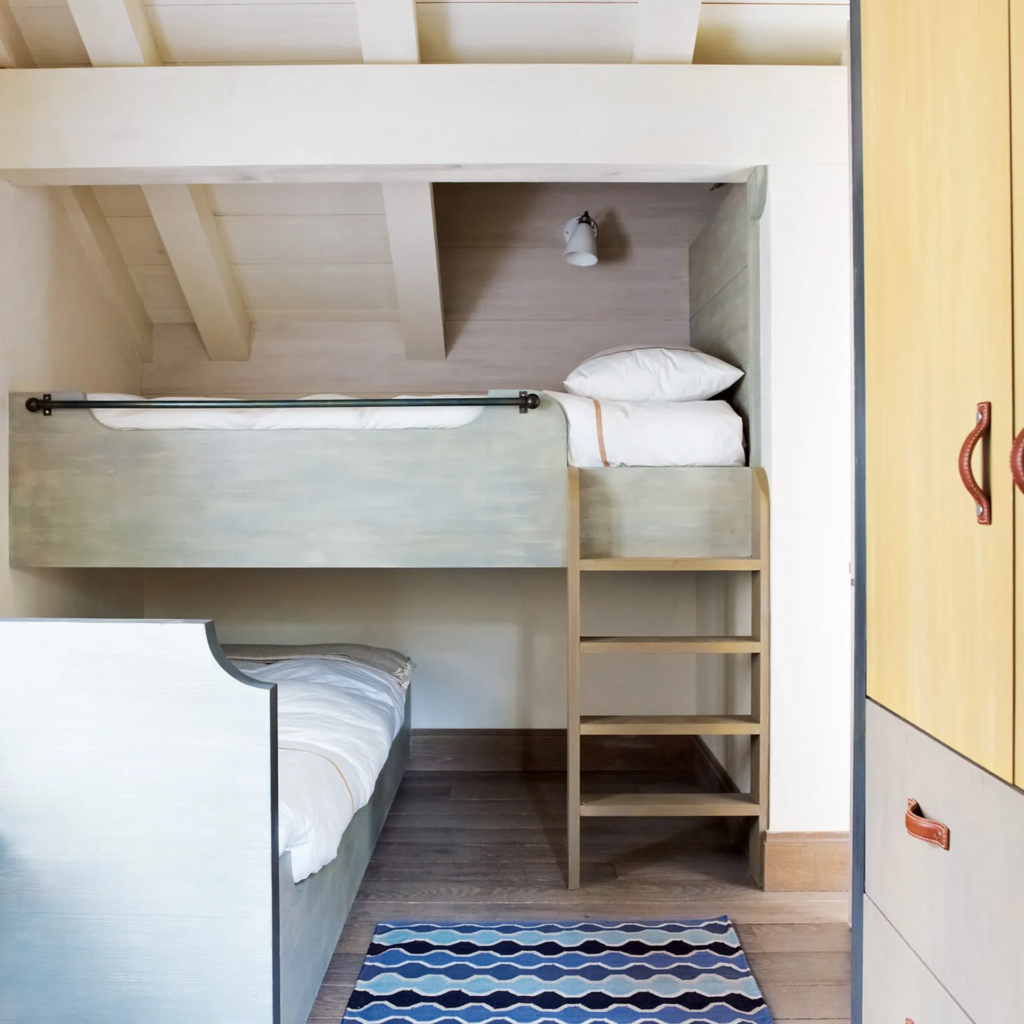
A mezzanine bed can transform a tiny room by moving the sleeping area upward. The space underneath can then be used for storage, seating, or a small workspace.
Use Bright Colors in a Small Bedroom

A small room can benefit from bright, cheerful colors. A strong shade on the walls can create energy and make the bedroom feel more distinctive.
Create a Cozy Bed Nook

A daybed with a headboard that wraps around the sleeping area can create a comfortable nook. This approach works particularly well when the bed sits beneath or beside a window.
Place Beds Beneath Sloped Roofs

Low areas beneath sloping roofs can be ideal for beds. Positioning the sleeping area beneath the roof allows the higher part of the room to remain open and easier to use.
Choose Low Storage Furniture
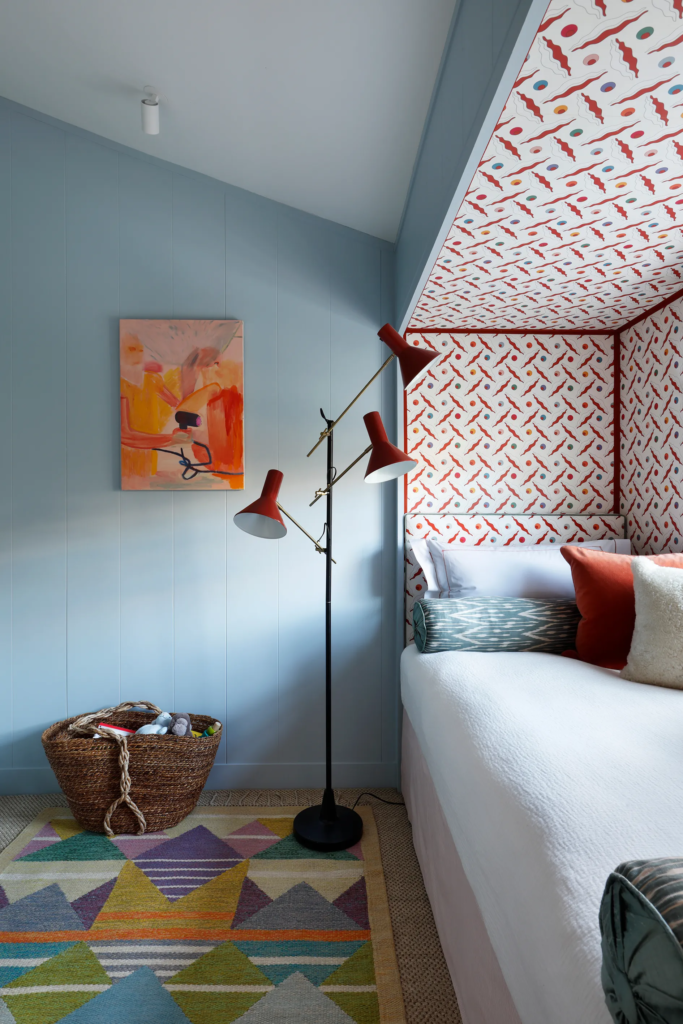
A long, low chest can provide useful storage while also serving as a surface for books, accessories, and everyday essentials. Its low profile helps maintain an open feeling.
Refresh an Existing Bed

You don’t always need new furniture to improve a small bedroom. Refresh an existing bed with new lighting, cushions, bedding, or a carefully selected headboard.
Wallpaper the Ceiling
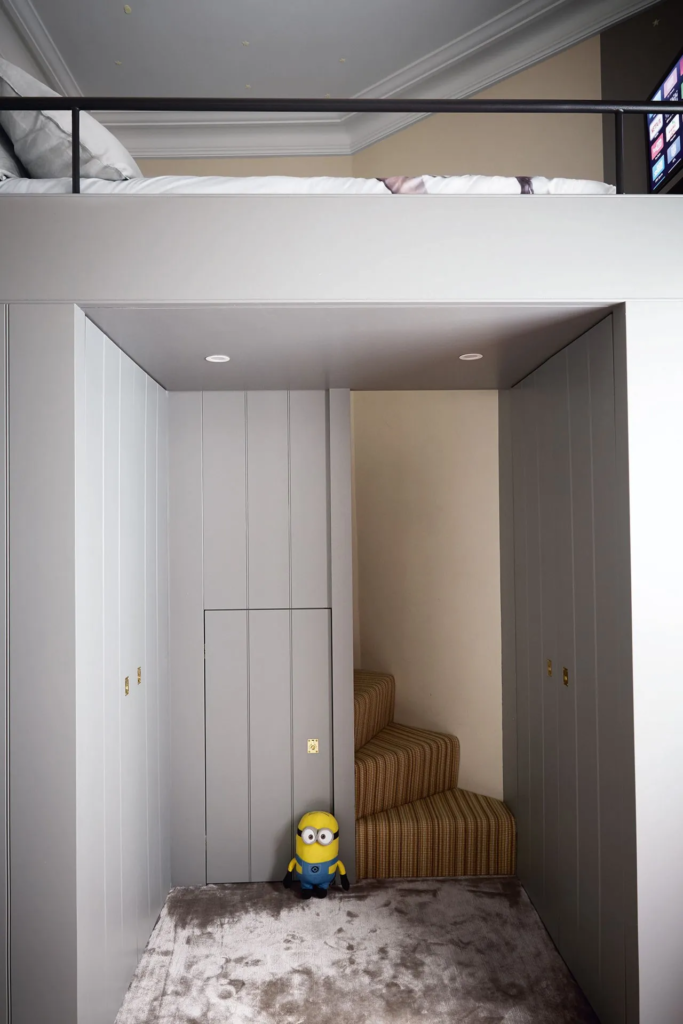
The ceiling is often overlooked in small bedrooms. Adding wallpaper can highlight architectural features and create a more immersive design.
Highlight Architectural Features

Use color and decoration to emphasize original architectural elements such as exposed beams, sloped ceilings, or unusual windows. These details can give a small bedroom a strong sense of character.
Create a Distinct Atmosphere
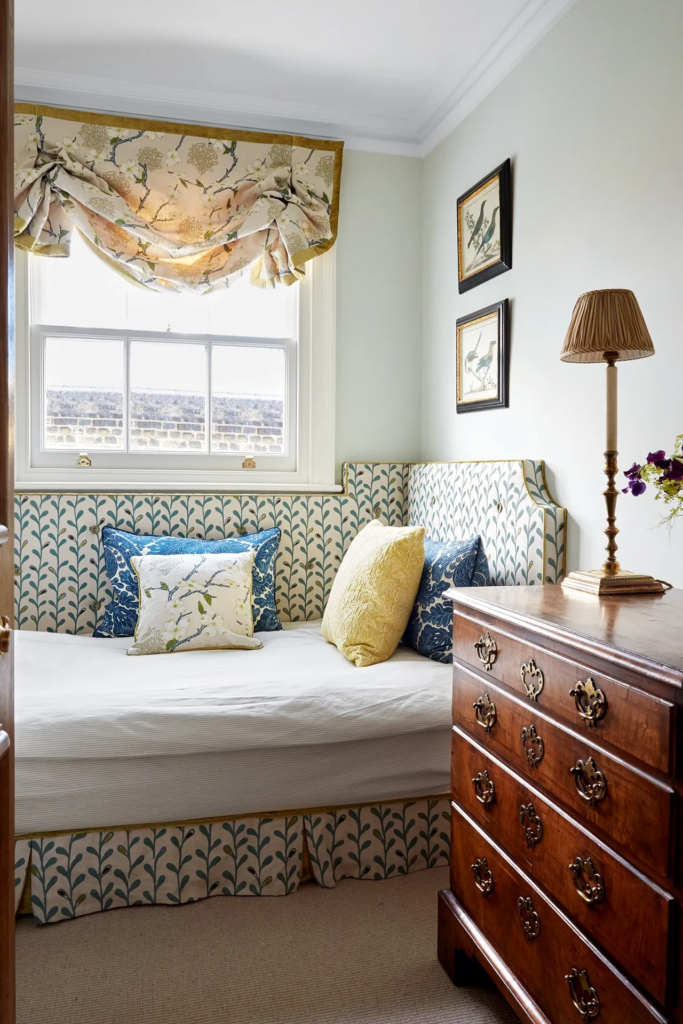
A compact bedroom can feel more intentional when different areas have their own character. Thoughtful lighting, textiles, and furniture placement can help define the sleeping area.
Add Personal Artwork
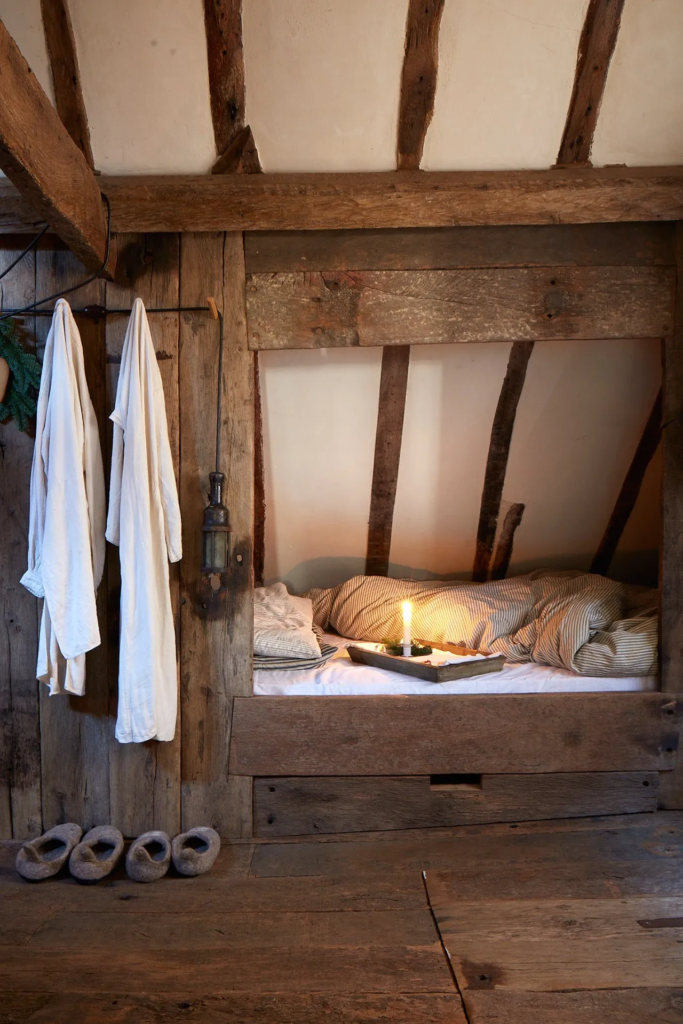
Artwork can give a small bedroom personality without requiring additional floor space. Choose pieces that complement the room’s colors and overall mood.
Use Flexible Furniture

Furniture that can serve multiple functions is particularly valuable in compact bedrooms. A built-in desk, daybed, or storage bench can make the room more practical.
Build a Workspace Into the Room

A built-in desk takes up less space than a traditional desk and can create a dedicated work area. This is especially useful in apartments and multifunctional bedrooms.
Use Wall-Mounted Bookshelves

Built-in or wall-mounted bookshelves keep books organized without taking up valuable floor space. They can also become an attractive decorative feature.
Make a Small Guest Room Fun
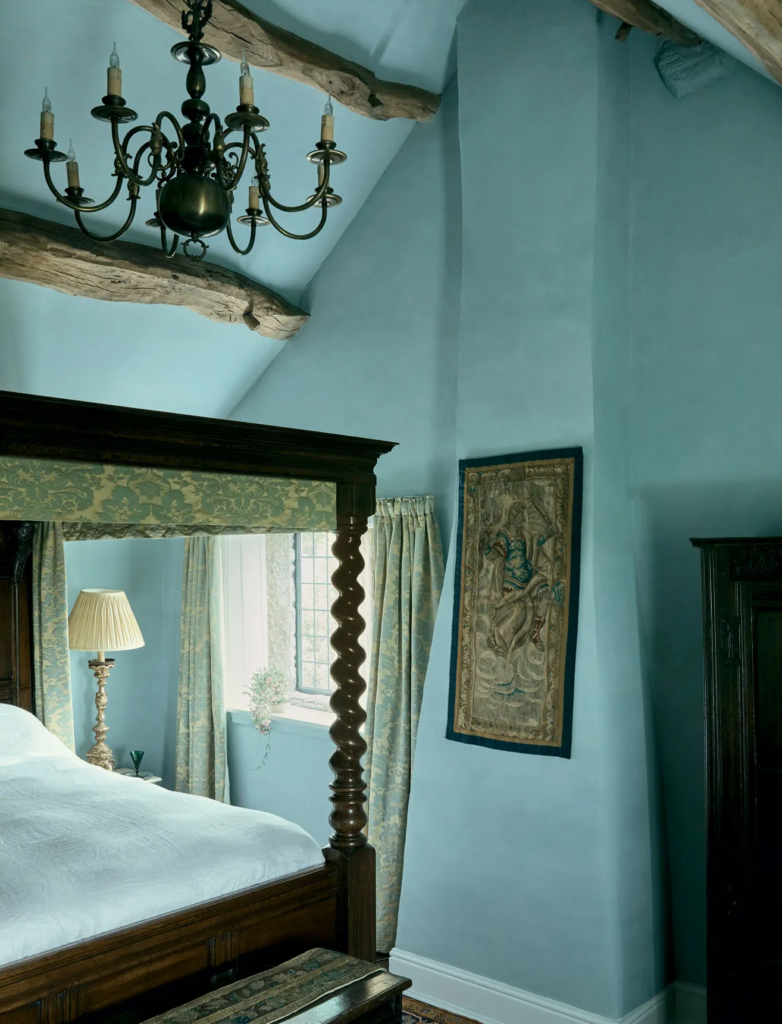
A compact guest room doesn’t have to be overly restrained. Bold wallpaper, colorful lamps, and playful accessories can give the space warmth and personality.
Build Shelves Into the Walls
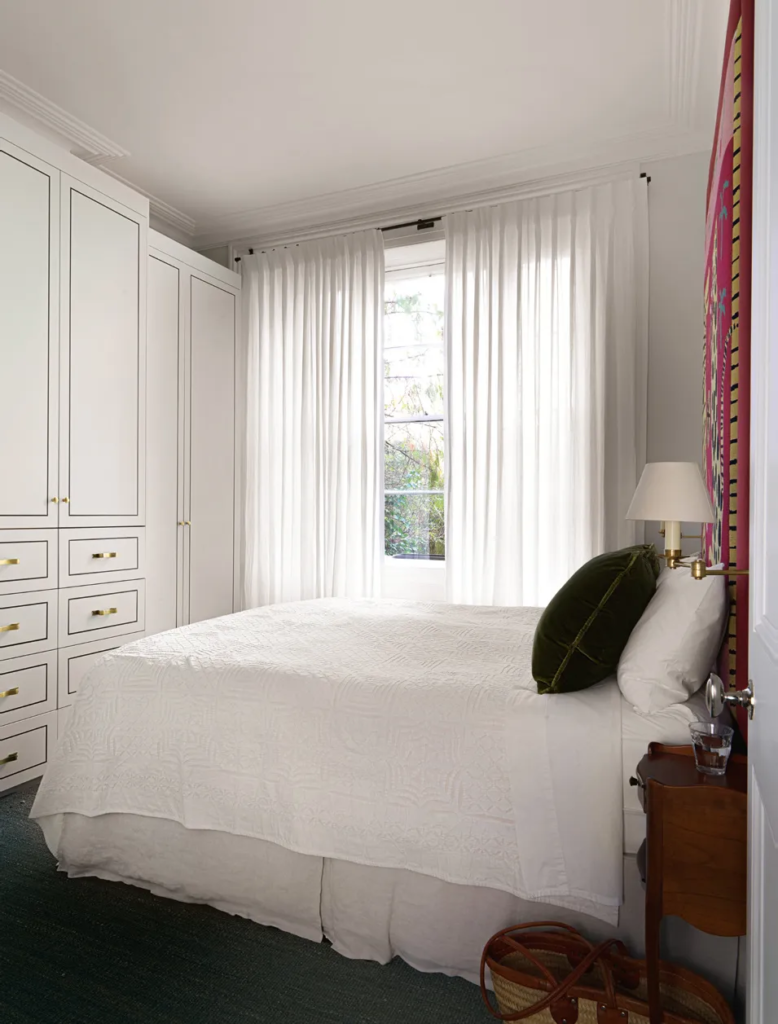
Recessed shelving is an excellent way to create storage without reducing floor space. It can hold books, artwork, and decorative objects while keeping the room organized.
Use Light-Reflecting Surfaces
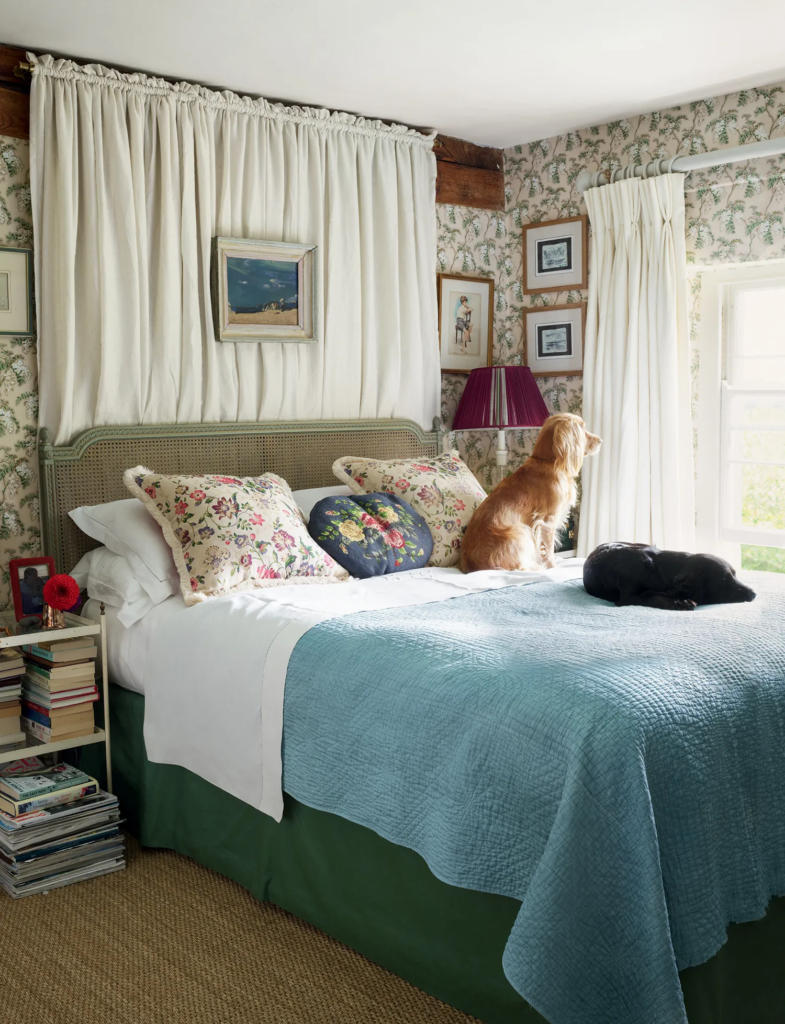
A light-colored ceiling or reflective finish can help distribute natural and artificial light around the room. This can make a compact bedroom feel brighter.
Decorate an Attic Bedroom With Pale Colors
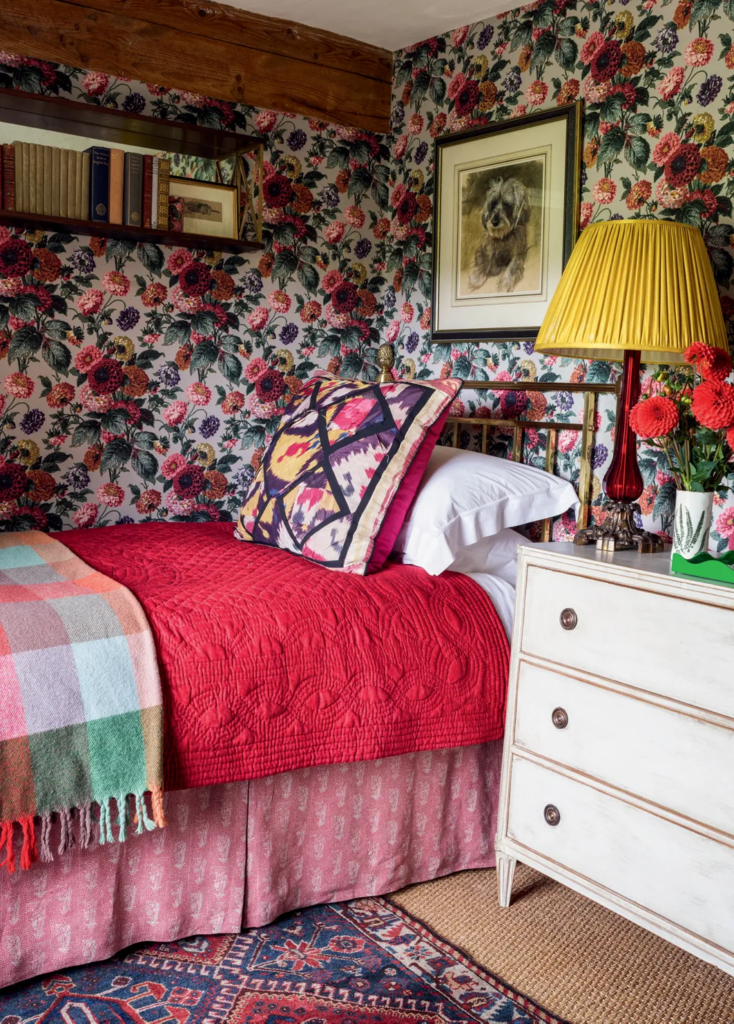
Pale walls and ceilings can make an attic bedroom feel lighter and more spacious. Combine them with simple furniture and a few decorative accents for a relaxed look.
Use the Same Fabric Throughout
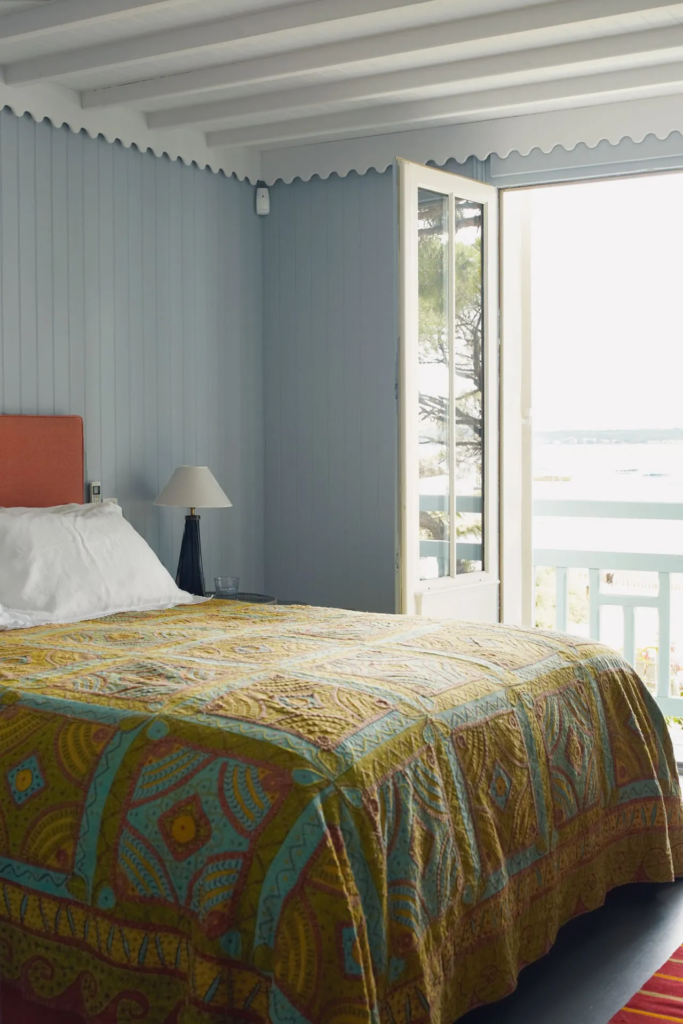
Repeating one fabric across the walls, bed, and seating can create a cohesive and enveloping atmosphere. Balance the pattern with simpler curtains or accessories.
Add a Window Seat
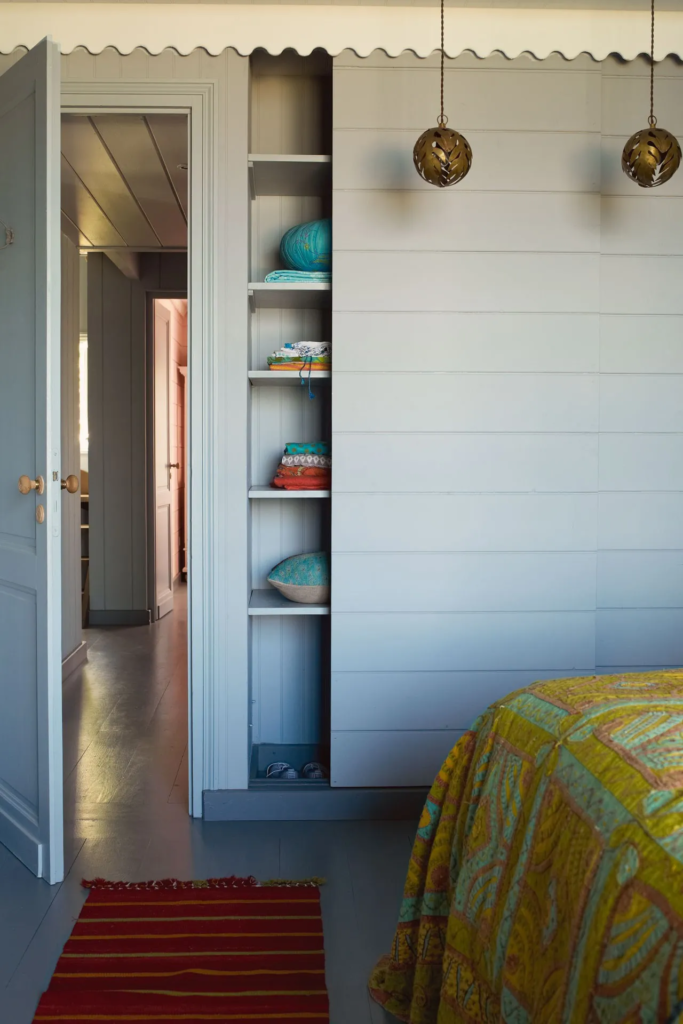
A window seat makes use of otherwise overlooked space and can provide additional seating. It can also become a comfortable reading area in a small bedroom.
Use Wallpaper to Add Layers

Wallpaper can bring depth, pattern, and personality to a compact bedroom. Combine a delicate wall pattern with a contrasting blanket or lamp for visual interest.
Turn an Alcove Into a Sleeping Nook
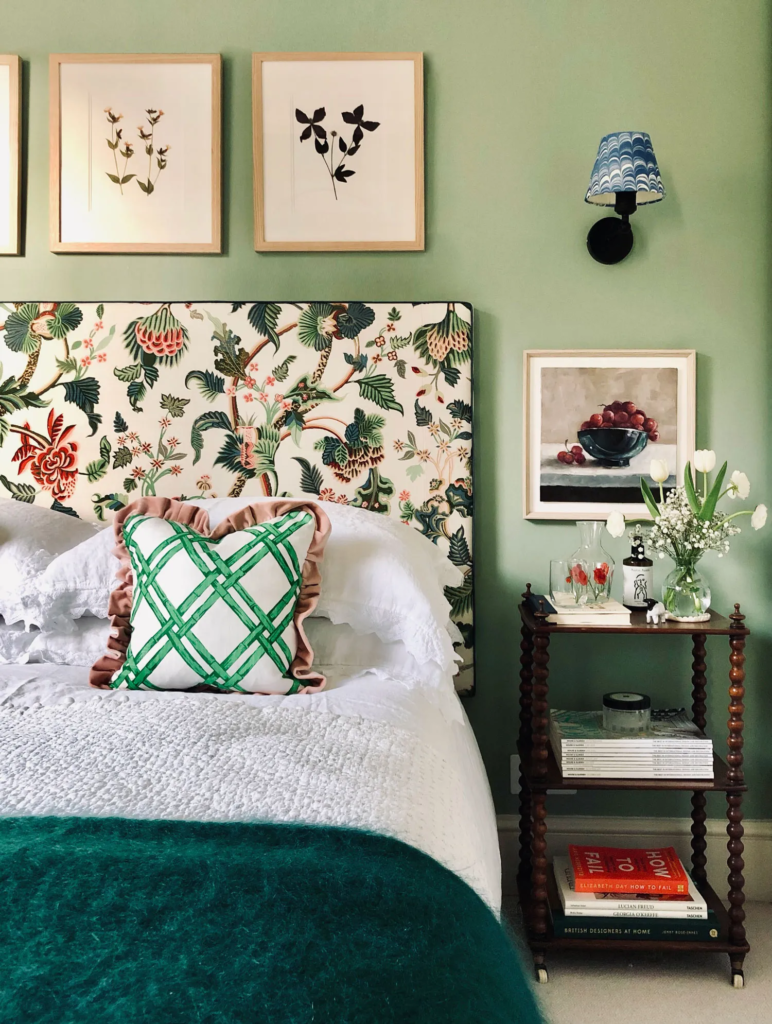
An awkward alcove can become a charming sleeping area with a bed, curtain, shelving, and reading light. Adding storage beneath the bed makes the space even more useful.
Use Storage Beneath the Bed

Reclaimed drawers or built-in compartments beneath the bed provide convenient hidden storage. This is an effective way to reduce the need for additional cabinets.
Embrace a Rustic Bedroom Style

Natural materials, timber walls, and simple furniture can create a relaxed rustic atmosphere. The understated approach works especially well in small bedrooms.
Add Color Above the Headboard
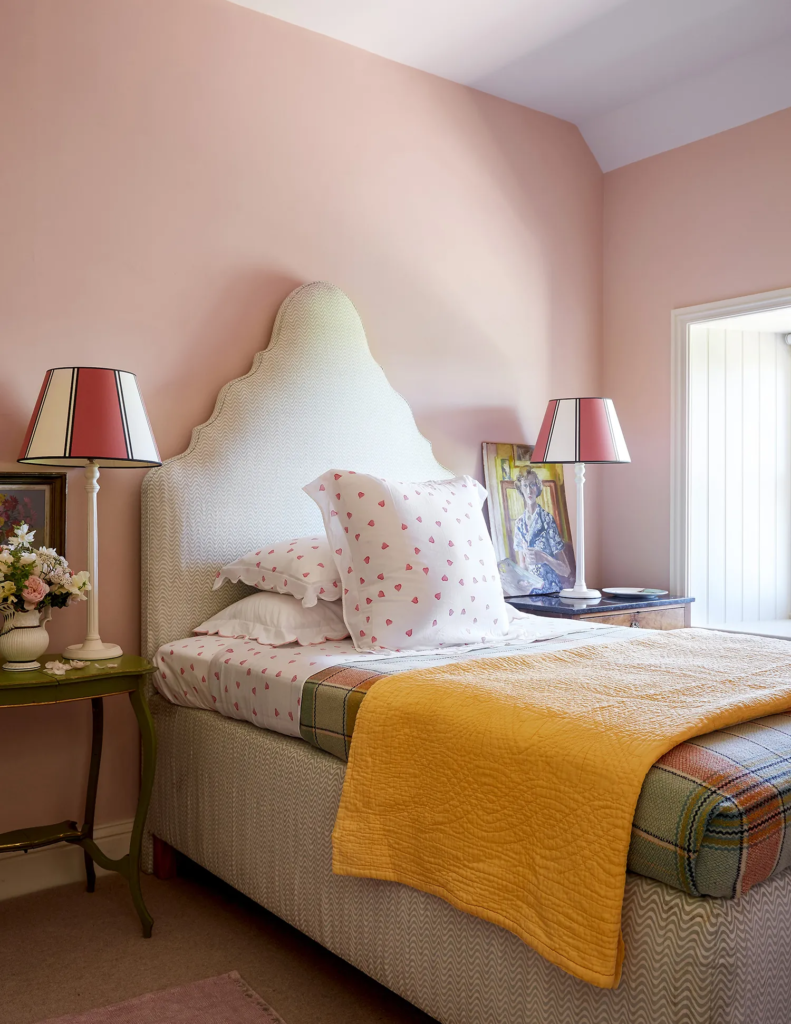
A colorful wall treatment above the bed can create a strong focal point. Combine it with a simple bed and restrained accessories to keep the room balanced.
Use a Canopy Bed for a Cozy Effect

A canopy bed can make a compact bedroom feel self-contained and intimate. It works particularly well when the bed occupies most of the room’s width.
Add Built-In Wardrobes
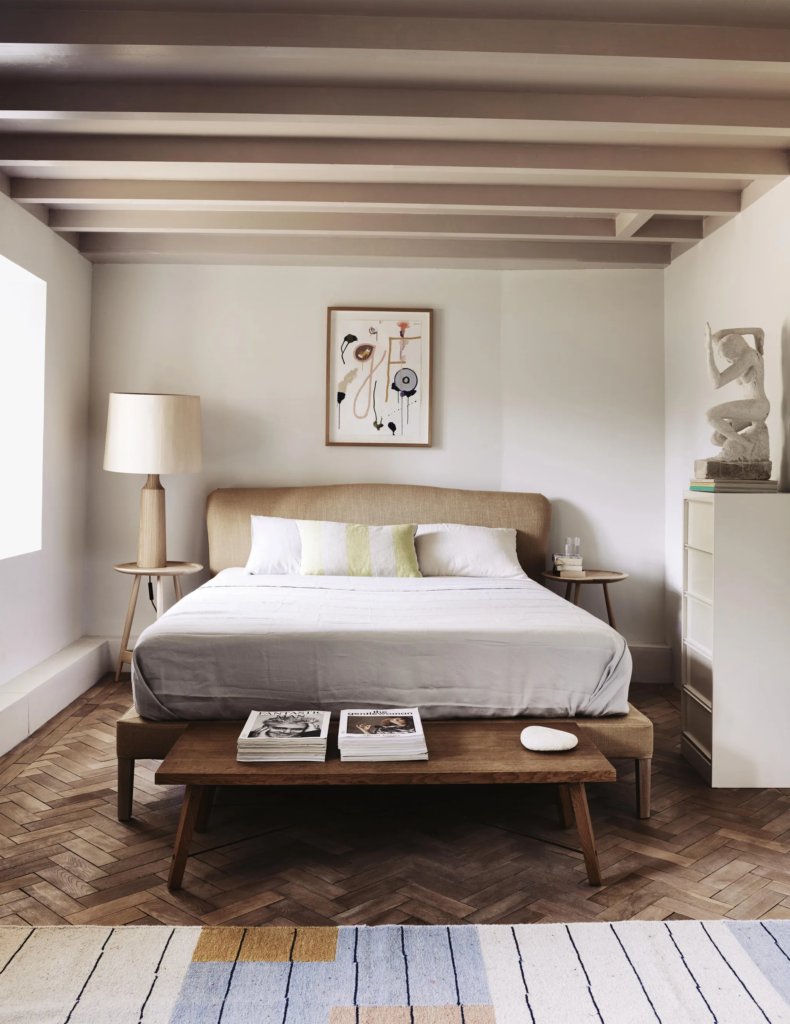
Built-in wardrobes can be customized to fit the exact dimensions of a small bedroom. Matching the wardrobe with the bed or wall paneling creates a streamlined appearance.
Screen the Bed With a Curtain

A curtain can separate the sleeping area from the rest of the room without taking up much space. It is especially useful in unusually shaped bedrooms or multifunctional spaces.
Use White Paneling
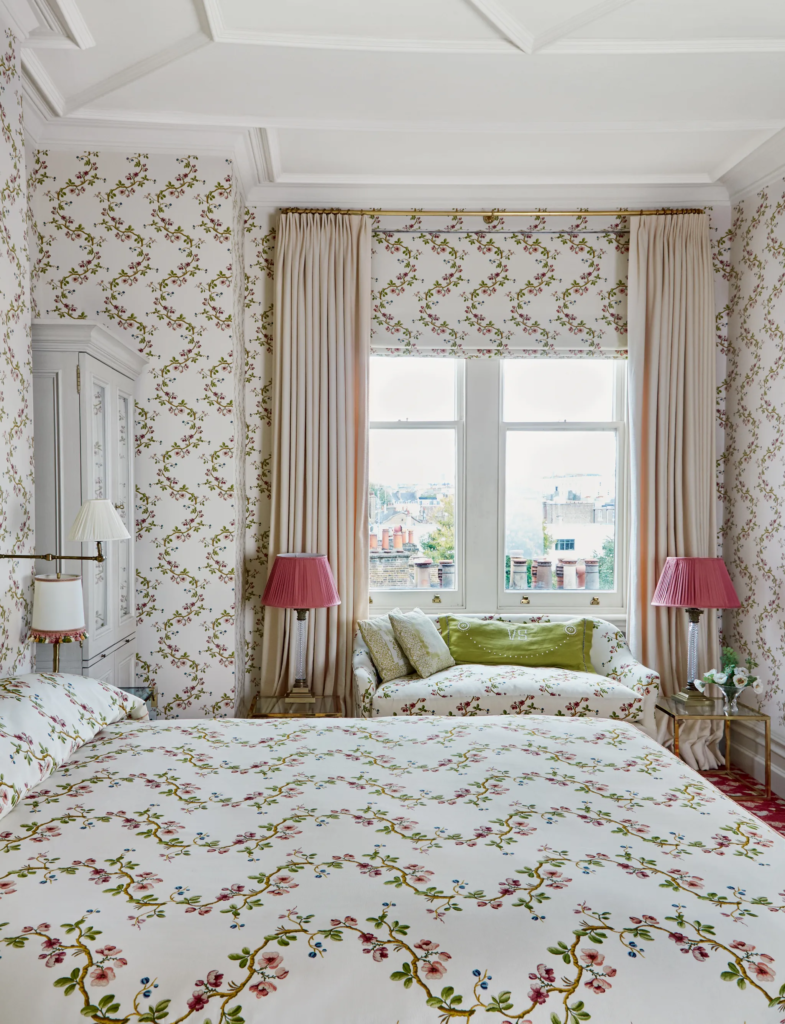
White wood paneling can make a small bedroom feel brighter while adding architectural interest. Pair it with warm bedding and colorful accents to prevent the room from feeling too plain.
Create a Hidden Bedroom Nook

Tucking the bed into a niche can free up the rest of the room for wardrobes, dressing furniture, or storage. A curtain provides privacy while keeping the layout flexible.
Use the Full Width of the Room
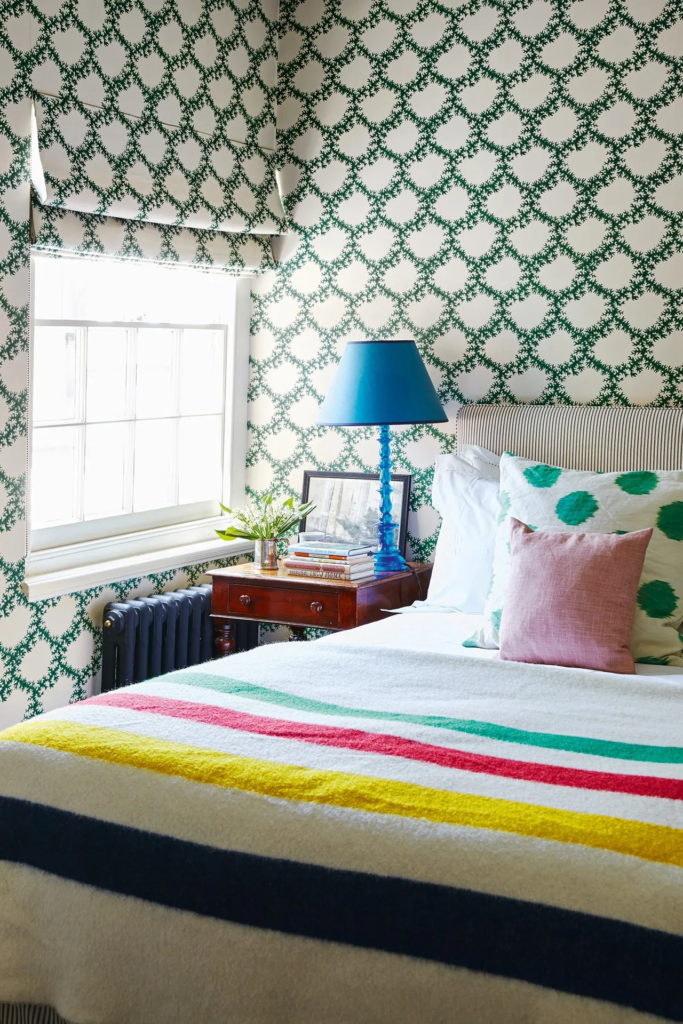
In some small bedrooms, positioning the bed across the width of the room can create a strong and comfortable focal point. Keep surrounding furniture minimal to preserve the sense of space.
Add Bespoke Joinery
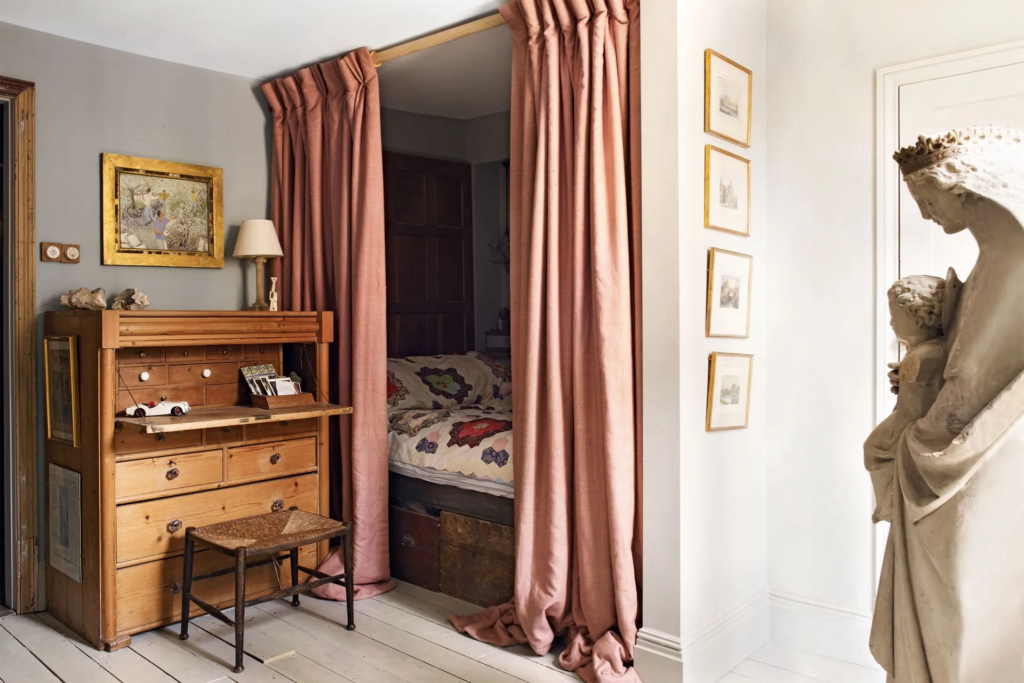
Custom joinery can make a major difference in a small bedroom. Built-in desks, seating, shelves, and storage can be designed to fit the room precisely while keeping everything organized.
Create a Built-In Desk and Seating Area
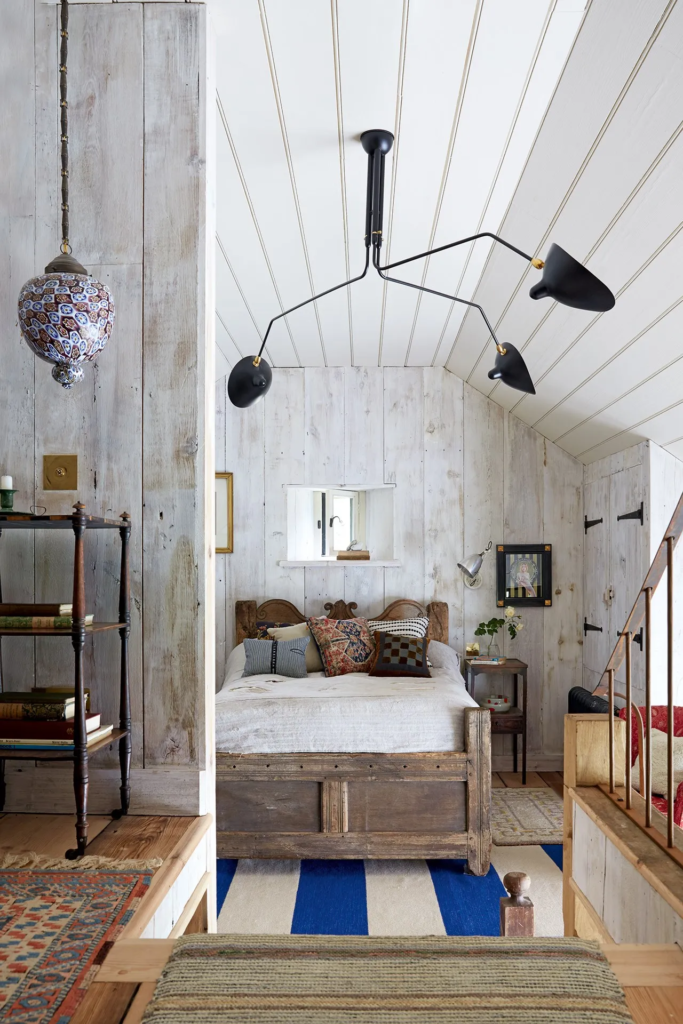
A custom-built desk combined with seating and storage underneath can make a children’s bedroom more functional. Every part of the furniture can serve a purpose without taking up unnecessary space.
Conclusion
A small bedroom doesn’t have to feel cramped or lack personality. With thoughtful planning, even the most compact space can become comfortable, stylish, and highly functional. From built-in beds and clever storage to mirrors, bold patterns, multifunctional furniture, and smart use of vertical space, there are countless ways to make every inch work harder.
The key is to choose solutions that suit both your space and your lifestyle. Whether you’re decorating a tiny guest room, an attic bedroom, a child’s room, or a compact apartment, the right combination of layout, color, lighting, and storage can make a remarkable difference. Use these small bedroom ideas as inspiration to create a space that feels organized, inviting, and uniquely yours.