

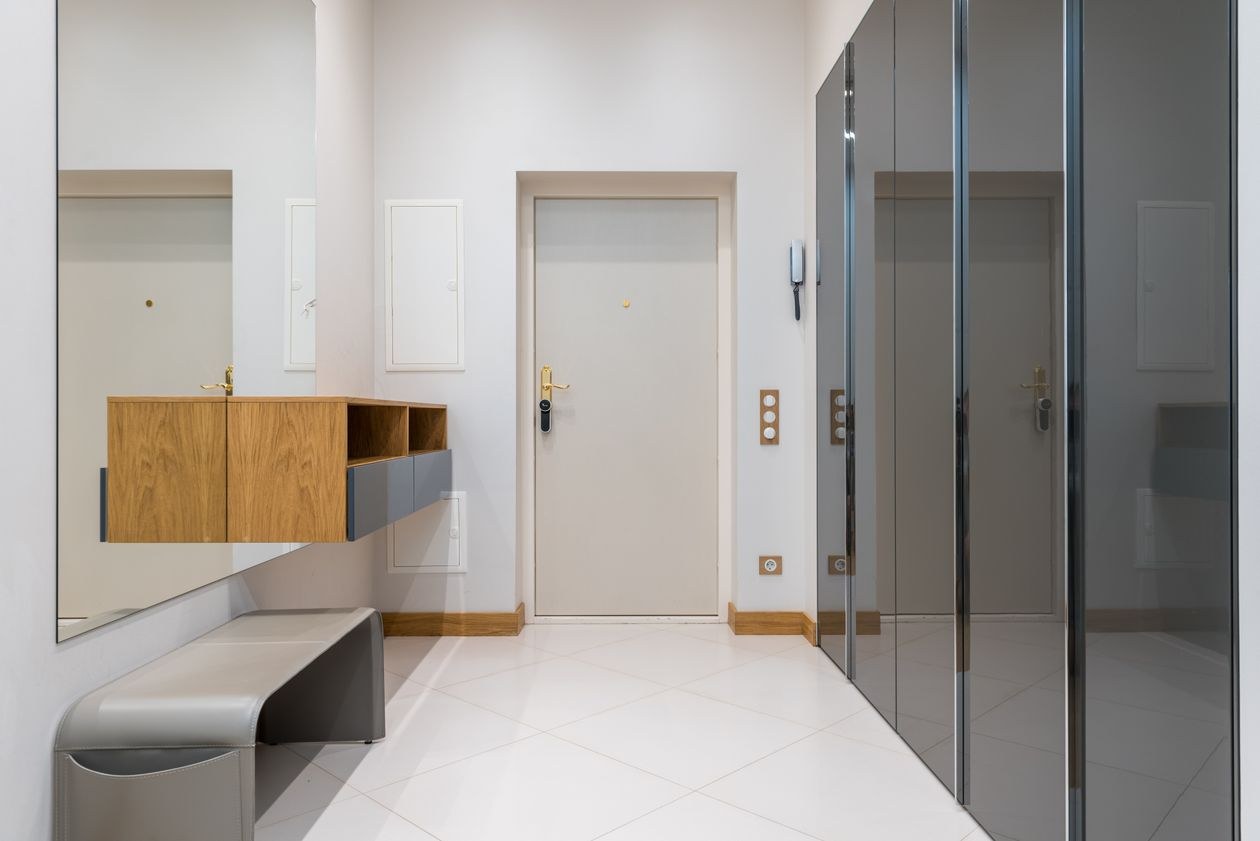
Your entryway is the first thing you see when you walk in and the last thing guests notice when they leave, yet it is the most overlooked corner of most apartments. The good news is that small apartment entryway decor ideas on a budget can change how your whole home feels — no renovation or big shopping trip required. You do not need a grand foyer to make an entrance feel welcoming. With a few smart choices, such as a slim console table, a mirror that bounces light around, and storage that keeps clutter out of sight, even a two-foot stretch of wall by the door can feel intentional and polished. This guide walks you through simple, renter-friendly updates that cost little but make a big difference.
Read More: Simple Ways to Make Every Room Feel Like Home
Give Your Entryway a Job First
Before you buy a single thing, decide what your entryway actually needs to do. Most apartment entries fail because they try to do everything at once — or nothing at all. Ask yourself a few practical questions: Where do your keys land when you walk in? Where do coats and bags end up? Is there a spot for mail, sunglasses, or the dog leash? The answers become your shopping list, and they keep you from spending money on decor that looks nice but adds clutter.
For a few days, pay attention to how you really use the space by your front door. You will probably notice two or three repeating habits, such as dropping your bag in the same corner or piling mail on the nearest surface. Those habits tell you exactly what kind of storage and surfaces you need. A clear purpose turns a forgotten hallway into a hardworking part of your home.
Once you know the job, decorating gets easier. Every item you add should either serve that purpose or make the space feel better — ideally both. This same principle works throughout your apartment, and you can see it in action in our guide to simple room ideas that make every space feel like home.
Style a Slim Console Table
A narrow console table is the workhorse of a small entryway. Look for one that is only eight to ten inches deep so it hugs the wall without blocking the walkway. You do not need to buy new — thrift stores, Facebook Marketplace, and clearance sections are full of solid wood tables that only need a quick wipe-down or a coat of paint to look fresh.
Once you have the table, use a simple styling formula: a tray, a vase, and a stack. The tray catches your keys, sunglasses, and wallet so they never wander. A small vase with a few stems — real or faux — adds life and height. A short stack of books, or a decorative box in place of books, fills the remaining space and gives you a hidden spot for batteries, chargers, or spare keys.
Simple idea: If your table has an open lower shelf, slide in a lidded basket for each household member. It keeps shoes, scarves, and gloves sorted without looking messy.
Keep the surface mostly clear so the table stays useful. A good rule is to leave about a third of the top empty — that breathing room is what makes the difference between “styled” and “crowded.” Resist the urge to fill every inch; in a small entryway, restraint reads as calm.
Use Mirrors and Runners to Make Narrow Entries Feel Bigger
A mirror is the single best trick for a tight entryway. Hung on the wall beside or across from a light source, it bounces light around and visually doubles the space. A round mirror above your console table also gives you a last glance at yourself on the way out, which is a practical bonus you will use every day.
If you rent and cannot drill, you still have options. A tall mirror leaned against the wall in a corner makes a strong statement and needs zero hardware. Lightweight mirrors can hang from high-quality adhesive strips rated for their weight — just check the limit on the package and press firmly for thirty seconds during installation. Avoid hanging anything heavy above the door swing, where it could get knocked.
A runner rug pulls the whole look together and draws the eye down the hallway, which makes a narrow entry feel longer rather than cramped. Measure your space before you buy, and leave a few inches of floor visible on each side so the rug looks intentional. Low-pile, washable runners are the most practical choice for a high-traffic zone near the door.
Simple idea: Place the runner so it runs from the door toward the living area. That visual path guides guests in and makes the apartment feel more connected.
Add Renter-Friendly Storage That Hides the Mess
Clutter is the enemy of a welcoming entryway, so storage has to be part of the plan. Wall hooks are the easiest win: a row of three or four sturdy hooks holds coats, bags, and hats without taking up any floor space. Choose hooks that match your other finishes — black metal, brass, or wood — so they look like decor rather than hardware.
Baskets are your second secret weapon. Slide one or two under the console table for shoes or pet supplies, and use a smaller lidded basket on the table itself for the odds and ends that collect by the door. Natural materials like seagrass or woven cotton soften the look and hide a surprising amount of mess. If you share the apartment, label each basket so everyone has their own drop zone.
Do not forget the back of the door. An over-the-door organizer on a nearby closet turns wasted space into storage for umbrellas, reusable bags, sunscreen, or cleaning supplies. Everything in this section is damage-free, which matters in a rental: adhesive hooks, freestanding baskets, and over-door racks all come down cleanly when your lease ends.
Pull It Together with Color and Texture
A small entryway looks polished when everything shares a loose color story. Pick two or three colors and repeat them across the tray, the runner, and a piece of wall art. If your apartment walls are a standard rental white or beige, warm neutrals with one accent — sage green, terracotta, navy — keep things calm but interesting. You can find the same approach in Simple Ways to Make Every Room Feel Like Home, where repeating finishes ties rooms together.
Thrift and DIY keep this step cheap. Frame free printable art from the internet in a secondhand frame, or spray-paint mismatched frames the same color for a custom gallery look. A small potted plant — a pothos, snake plant, or even a good faux one — adds the one living texture that makes a space feel finished. Plants are also forgiving decor: if the light is poor, faux greenery in a real ceramic pot still does the job visually.
Finally, do the step-back test. Stand in your doorway and look at the entryway the way a guest would. If one thing sticks out — a cord, a clashing color, a wobbly hook — fix that one thing. Small spaces forgive nothing, but they reward every little correction.
Conclusion
A welcoming entryway does not require square footage or a big budget. It requires a clear purpose, a slim surface for your daily essentials, something reflective to open up the space, and storage that keeps the mess invisible. Each of these ideas costs little on its own, and together they change the first and last impression your apartment makes.
Here is a quick under-$100 checklist to get started: a thrifted console table (around $20), a round wall mirror ($15), a washable runner rug ($20), a set of adhesive wall hooks ($10), a tray and small vase from a discount store ($15), two woven baskets ($12), and a small plant ($8). Shop your home first — you may already own half of this list. Start this weekend, and your entryway will feel like a brand-new room by Monday.

4 Comments
Pingback: 12 Cosy Reading Nook Ideas for Small Apartments - homenest decor
Pingback: How to Decorate a Nursery on a Budget - homenest decor
Pingback: Tiny Hallway, Big Style: 9 Decor Ideas for Small Spaces - homenest decor
Pingback: 11 Small Mudroom Ideas That Punch Above Their Size