
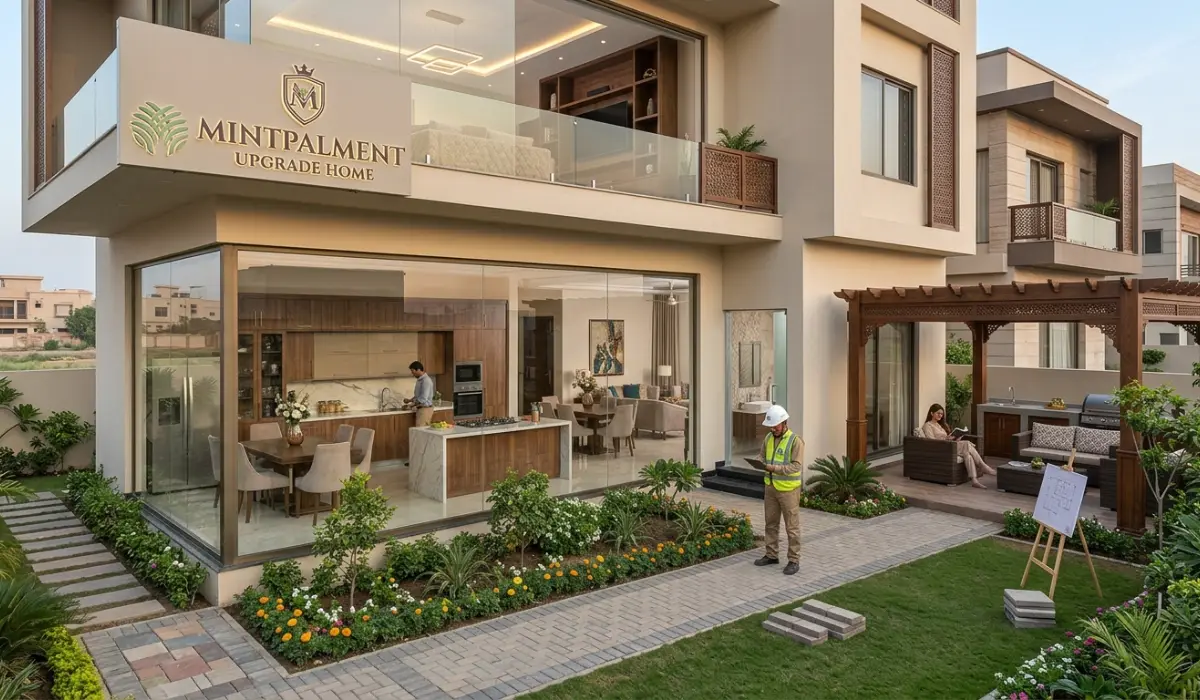
Interior design is often associated with choosing attractive colors, stylish furniture, artwork, and decorative accessories. In reality, however, it is a much broader discipline that combines creativity with careful planning. Professional interior design considers how people live, work, move, and interact within a space before transforming those needs into an environment that is both functional and visually appealing.
Understanding why interior design is interesting Mintpaldecor requires looking beyond decoration. Designers work with dimensions, lighting, materials, ergonomics, acoustics, circulation, safety, and visual balance to create spaces that perform well in everyday life. The most successful interiors do not simply look beautiful; they improve comfort, organization, usability, and the overall experience of the people who occupy them.
Read More: 21 Luxury Bathroom Ideas to Transform Your Space
What Makes Interior Design So Interesting?
Interior design is fascinating because it requires designers to think creatively while solving practical challenges. Every room presents a different combination of dimensions, architectural features, lighting conditions, furniture requirements, and user expectations. Turning these factors into a unified design requires both imagination and careful decision-making.
Another compelling aspect of interior design is its direct influence on daily life. A thoughtfully arranged room can improve movement, support productivity, encourage relaxation, and create a sense of comfort. These practical benefits demonstrate why interior design is far more meaningful than simply making a space look attractive.
Interior Design Combines Creativity With Technical Thinking
One of the main reasons why interior design is interesting Mintpaldecor is the way it combines artistic ideas with technical knowledge. Designers may begin with a creative vision, but that vision must work within the actual size, structure, and limitations of the room. Every attractive concept must therefore be supported by accurate measurements and practical planning.
For example, an oversized sofa may look impressive in a showroom but could make a small living room difficult to navigate. Professional designers consider furniture proportions, clearances, door openings, circulation routes, lighting, and everyday usability before making a final decision. This balance between imagination and technical reasoning gives interior design its unique character.
Every Room Presents a Different Design Puzzle
No two rooms are exactly alike, which means every interior project introduces a new challenge. One space may receive limited natural light, while another could have an awkward structural column, unusual dimensions, or insufficient storage. Some rooms may also need to support several activities within a relatively small area.
Instead of viewing these limitations as disadvantages, skilled designers use them as opportunities for creative problem-solving. An awkward corner can become useful storage, a narrow room can benefit from carefully scaled furniture, and poor lighting can be improved through layered illumination. These challenges make every project different and keep the design process engaging.
Interior Design Is a Form of Personal Expression
Interior spaces often communicate something about the people who live or work in them. Choices involving colors, textures, artwork, furniture, and accessories can reflect personal preferences, memories, routines, and lifestyles. A thoughtfully designed home can therefore feel highly individual rather than simply fashionable.
This personal connection is another reason why interior design is interesting Mintpaldecor. Interior design allows people to express their character through their surroundings without saying anything directly. When design choices are made thoughtfully, a space can feel authentic, comfortable, and closely connected to the people using it.
Different Styles Communicate Different Personalities
Interior styles can create very different moods and visual identities. Someone who prefers simplicity may be attracted to minimalist spaces featuring clean lines, neutral colors, and limited decoration. In contrast, a person who enjoys rich textures, decorative objects, vintage furniture, or layered patterns may prefer a traditional, bohemian, or eclectic approach.
However, professional design does not require following one style without variation. Combining complementary influences can often produce a more personal and interesting result. The goal is to create visual consistency while allowing enough flexibility for the interior to reflect the preferences of its occupants.
Meaningful Objects Add Character
Personal belongings can transform a polished interior into a space that feels genuinely lived in. Family photographs, books, artwork, travel souvenirs, handmade pieces, and inherited furniture can introduce personality while creating emotional connections within the room.
Effective design does not require filling every available surface with decoration. Carefully selected objects usually have a stronger impact than excessive accessories. By choosing meaningful pieces and displaying them intentionally, homeowners can create focal points while maintaining a balanced and organized appearance.
The Psychology Behind Interior Spaces
Interior design becomes particularly interesting when psychology is considered. People respond to lighting, color, proportion, temperature, sound, texture, and spatial organization, often without consciously recognizing how these factors affect their experience. A room can feel welcoming, energetic, peaceful, or uncomfortable because of a combination of subtle environmental details.
Designers use an understanding of these responses to create spaces that support specific activities. A bedroom should generally encourage comfort and relaxation, while a home office may require brighter lighting, effective organization, and fewer visual distractions. Designing around human experience makes interiors more functional as well as more enjoyable.
How Color Influences the Atmosphere
Color plays an important role in shaping the appearance and atmosphere of a room. Light shades can make an interior appear brighter and more open, while deeper colors can create a stronger sense of intimacy, drama, or warmth. Color can also highlight architectural features and help visually connect different areas of a home.
However, color psychology should not be treated as an exact formula. The effect of a particular shade depends on natural light, artificial lighting, surrounding materials, saturation, room size, and personal preference. Professional designers therefore evaluate color within the complete environment rather than considering it in isolation.
Lighting Is More Than Decoration
Lighting is one of the most important functional elements of interior design. A well-designed lighting plan usually combines ambient, task, and accent lighting so that the room can adapt to different activities throughout the day. Good lighting improves visibility while also contributing to the atmosphere of the space.
Natural daylight is equally valuable because it can make rooms feel brighter and more spacious. Artificial lighting, meanwhile, can support reading, cooking, working, relaxing, or entertaining after dark. Combining several lighting sources gives users greater control over both functionality and mood.
Space Planning Makes Interior Design a Problem-Solving Discipline
A room can contain expensive furniture and attractive finishes yet still feel uncomfortable if the layout is poorly planned. Space planning focuses on how furniture, doors, windows, storage areas, and circulation routes work together. It helps ensure that a room supports everyday activities without becoming crowded or difficult to use.
This practical problem-solving process explains why interior design is interesting Mintpaldecor for people who enjoy working with both creativity and logic. Designers constantly search for ways to improve function, movement, storage, and visual balance while making efficient use of the space available.
Designing Small Spaces Efficiently
Small spaces require thoughtful planning because every piece of furniture affects movement and usability. Choosing smaller furniture alone is not always enough. Designers also consider vertical storage, multifunctional pieces, concealed organization, visual weight, and the relationship between different items in the room.
Useful small-space strategies include choosing furniture that fits actual measurements, keeping important pathways clear, using built-in storage where appropriate, selecting multifunctional pieces, and maintaining visual continuity. These decisions can make compact rooms feel more organized, efficient, and comfortable.
Creating Zones in Open-Plan Interiors
Open-plan interiors can feel spacious and flexible, but they sometimes lack clear visual organization. Designers can create separate functional zones through furniture placement, rugs, lighting, shelving, ceiling treatments, and changes in materials without building permanent walls.
For example, a sofa positioned around a rug can define a conversation area, while a dining table beneath a pendant light can establish a separate dining zone. These subtle visual boundaries make large open spaces easier to understand and more practical to use.
Materials and Textures Create a Sensory Experience
Interior design is experienced through more than appearance alone. Materials and textures influence how surfaces feel, how sound behaves, how light is reflected, and how comfortable a room appears. Combining different finishes can add depth and prevent an interior from looking flat or visually monotonous.
Wood, stone, metal, glass, fabric, tile, plaster, and other materials each offer different aesthetic and functional characteristics. Professional designers consider how these materials interact while ensuring that their appearance suits the overall design direction.
Why Material Selection Matters
Choosing materials involves far more than selecting the most attractive finish. Different spaces have different requirements, meaning materials must be appropriate for their location and expected level of use. A busy hallway, for example, generally requires greater durability than a decorative feature wall.
Designers commonly evaluate durability, cleaning requirements, moisture resistance, wear resistance, texture, cost, and environmental impact. Balancing appearance with long-term performance helps create interiors that remain attractive and functional instead of deteriorating quickly.
Interior Design Changes With Technology
Technology has transformed how designers plan, visualize, and present interior spaces. Digital floor plans, 3D models, rendering software, virtual visualization, and other tools allow ideas to be tested before major purchasing or construction decisions are made.
These technologies do not replace creativity. Instead, they allow designers to communicate ideas more clearly, identify potential problems, compare design options, and make more accurate decisions. Technology has therefore expanded the possibilities available throughout the design process.
Smart Homes Add Another Layer of Design
Modern homes increasingly include connected lighting, climate controls, security systems, automated window treatments, entertainment systems, and voice-controlled devices. These technologies can improve convenience, efficiency, and personalization when they are integrated correctly.
The design challenge is to incorporate technology without allowing equipment, screens, cables, or control systems to dominate the interior. Effective planning considers the technical requirements early so that smart features support the space while remaining visually discreet.
Sustainability Makes Interior Design More Relevant
Sustainability has become an increasingly important consideration in interior design. Homeowners and professionals are paying greater attention to energy use, material sourcing, product lifespan, waste reduction, repairability, and responsible consumption.
Sustainable design does not necessarily require purchasing expensive products marketed as environmentally friendly. It can involve selecting durable materials, reusing existing furniture, reducing unnecessary replacement, choosing energy-efficient solutions, and designing spaces that can adapt to changing needs.
Designing for Longevity Instead of Trends
Interior trends can provide inspiration, but frequently replacing furniture and finishes to follow every new style can become costly and wasteful. A more sustainable approach is to create a timeless foundation using durable materials and adaptable design choices.
Smaller elements such as cushions, artwork, rugs, accessories, and textiles can then be updated when tastes change. This approach allows an interior to evolve without requiring major renovations or the unnecessary replacement of functional items.
Cultural Influences Make Every Interior Different
Interior design has been shaped by centuries of architecture, craftsmanship, regional materials, and cultural traditions. Designers today can draw inspiration from many cultures while adapting those influences to suit contemporary lifestyles and practical requirements.
Scandinavian simplicity, Japanese-inspired minimalism, Mediterranean textures, and traditional South Asian craftsmanship all demonstrate different approaches to color, materials, proportion, and decoration. These diverse traditions provide designers with a broad source of inspiration.
History Gives Design More Meaning
Understanding design history helps explain why certain furniture forms, decorative techniques, architectural details, and materials continue to influence modern interiors. Historical knowledge also provides context for the styles and ideas that repeatedly reappear in contemporary design.
Rather than simply copying a trend, designers who understand its origins can reinterpret it more thoughtfully. This knowledge helps create interiors that feel intentional and coherent instead of becoming collections of unrelated fashionable elements.
The Role of Ergonomics in Interior Design
Ergonomics is another important reason why interior design is interesting Mintpaldecor. It focuses on creating environments that respond appropriately to the physical needs of people. Even small dimensional decisions can significantly affect comfort and everyday usability.
Chair height, desk placement, countertop dimensions, lighting levels, seating support, storage access, and circulation space are all influenced by ergonomic principles. When these details are planned well, a room can feel naturally comfortable even when users are unaware of the design decisions behind that comfort.
Designing Around Real Human Behavior
Successful interiors should be based on how people actually use a room rather than how the space appears in staged photographs. Everyday habits often reveal practical requirements that may otherwise be overlooked during the design process.
For instance, a family that regularly works from a kitchen table may require comfortable seating, charging access, task lighting, and sufficient work surface. Designing around real behavior makes the space more relevant, practical, and supportive of everyday routines.
Why Interior Design Requires Continuous Learning
Interior design constantly evolves as new materials, construction techniques, digital tools, furniture technologies, sustainability practices, and lifestyle patterns emerge. Professionals therefore need to continue learning throughout their careers.
This constant evolution is another reason why interior design is interesting Mintpaldecor. Designers always have new products, ideas, technologies, and approaches to explore. Continuous learning helps professionals create spaces that respond effectively to changing expectations.
Trends Are Useful, but They Are Not Rules
Trends can help designers understand changing preferences in colors, materials, furniture, technology, and lifestyle. However, following every trend can cause an interior to feel dated quickly when popular styles change.
Professional designers usually distinguish between short-lived visual trends and developments that provide long-term functional value. The strongest interiors use trends selectively while maintaining a design foundation that can remain relevant for years.
Interior Design Connects Beauty With Everyday Life
Perhaps the most valuable quality of interior design is that people experience its results every day. A well-planned kitchen can make food preparation easier, an organized workspace can improve concentration, and a comfortable living room can encourage conversation and relaxation.
This connection between aesthetics and daily life explains why interior design is interesting Mintpaldecor from a broader perspective. Interior design turns creative decisions into practical improvements that influence how people live, work, rest, and interact within their environments.
Good Design Does Not Have to Be Expensive
Effective interior design does not always require a large budget. Thoughtful planning and careful use of existing resources can sometimes improve a room significantly without replacing every piece of furniture or carrying out a complete renovation.
Rearranging furniture, improving lighting, reducing clutter, repairing existing items, introducing suitable storage, and developing a cohesive color palette can all create noticeable improvements. Good design depends as much on decision-making as it does on spending.
How to Approach an Interior Design Project
A structured approach can make an interior design project easier to manage and help prevent expensive mistakes. Instead of purchasing individual items simply because they look attractive, it is better to understand the room, its users, and its practical requirements first.
Planning also helps create consistency throughout the space. When furniture, colors, materials, lighting, and storage are selected according to an overall direction, the finished interior is more likely to feel balanced and intentional.
Start With Function
Begin by identifying what activities will take place in the room, who will use it, and what problems currently need to be solved. Consider storage requirements, circulation, seating, lighting, and any special activities that need to be accommodated.
These functional requirements should guide later aesthetic decisions. Once the practical foundation is established, decorative choices can be introduced without compromising the usability of the space.
Measure Before Purchasing
Accurate measurements are essential before selecting large furniture or planning built-in elements. Record wall lengths, ceiling heights, doors, windows, electrical outlets, fixed installations, and other important architectural features.
Measurements can help prevent common mistakes such as buying furniture that is too large, blocking doorways, or leaving inadequate circulation space. Careful preparation can save both time and money during the project.
Build a Cohesive Design Direction
Selecting a general visual direction before purchasing decorative items can help prevent the interior from appearing disconnected. Consider a limited palette of colors, materials, finishes, and textures that complement one another.
A cohesive direction does not mean every item must match perfectly. Instead, individual pieces should share enough visual relationships to make the room feel balanced while still allowing variation and personality.
Review the Design From Multiple Perspectives
Before considering a room complete, evaluate it from both aesthetic and practical perspectives. Look at comfort, circulation, storage, lighting, maintenance, accessibility, proportions, and long-term functionality.
This final review can reveal problems that may not be obvious when attention is focused only on appearance. Making small adjustments at this stage can greatly improve how the finished space performs.
Pros and Cons of Exploring Interior Design
Interior design offers an opportunity to improve both the appearance and functionality of a space. It encourages creativity, personal expression, organization, and practical problem-solving while helping people understand how design decisions affect everyday living.
At the same time, interior projects require careful planning because unsuitable furniture, poor measurements, or inappropriate materials can become expensive mistakes. Balancing aesthetics, budget, durability, functionality, and personal preferences often requires patience and thoughtful decision-making.
| Advantages | Potential Challenges |
|---|---|
| Encourages creativity and self-expression | Requires careful planning |
| Improves functionality and organization | Poor decisions can become expensive |
| Can improve comfort and atmosphere | Trends can change quickly |
| Creates opportunities for sustainable choices | Material selection can be complicated |
| Combines artistic and technical skills | Space limitations can restrict certain ideas |
| Encourages continuous learning | Balancing beauty and function requires experience |
Frequently Asked Questions
Is interior design only about making a room look attractive?
No. Interior design also considers functionality, comfort, safety, circulation, lighting, materials, ergonomics, organization, and the needs of the people using the space.
Why is interior design considered creative?
Interior design requires creative thinking to develop visual concepts, combine colors and materials, solve spatial challenges, and create environments with a distinctive atmosphere.
Can interior design affect how a person feels?
Yes. Lighting, color, acoustics, organization, proportions, textures, and personal associations can influence how comfortable or enjoyable a space feels.
Why is space planning important?
Space planning helps organize furniture, circulation, storage, and functional zones so that available space can be used efficiently and comfortably.
Does good interior design require expensive furniture?
No. Effective planning, appropriate proportions, functionality, and thoughtful selection can be more important than the price of individual furniture pieces.
How does technology influence interior design?
Technology supports 3D visualization, digital planning, smart lighting, climate control, automation, security systems, and more efficient design decision-making.
Is sustainable interior design becoming more important?
Yes. Durability, energy efficiency, responsible material selection, reuse, waste reduction, and long-term adaptability are increasingly important considerations.
Conclusion
Understanding why interior design is interesting Mintpaldecor means recognizing that the discipline involves much more than decoration. Interior design combines creativity, psychology, space planning, ergonomics, materials, technology, sustainability, cultural influences, and problem-solving to create environments that work effectively for real people.
The most successful interiors are not necessarily the most expensive or heavily influenced by trends. They are spaces where beauty and function work together naturally, helping people live, work, relax, and connect more comfortably. This balance between artistic expression and practical reasoning is what continues to make interior design such a fascinating and evolving field.
